
Fashion Vibes Milano: A Look at the SS’27 Collections

On September 24, Fashion Vibes Milano brought The Next Chapter runway and the Art Gallery & Showroom together during Milan Women’s Fashion Week, offering a multifaceted look at contemporary fashion, design, and craftsmanship.
Rovel

At Centro Congressi Fondazione Cariplo, designers from around the world explored ideas ranging from technology and the future of the human form to cultural memory, traditional craft, and contemporary femininity.

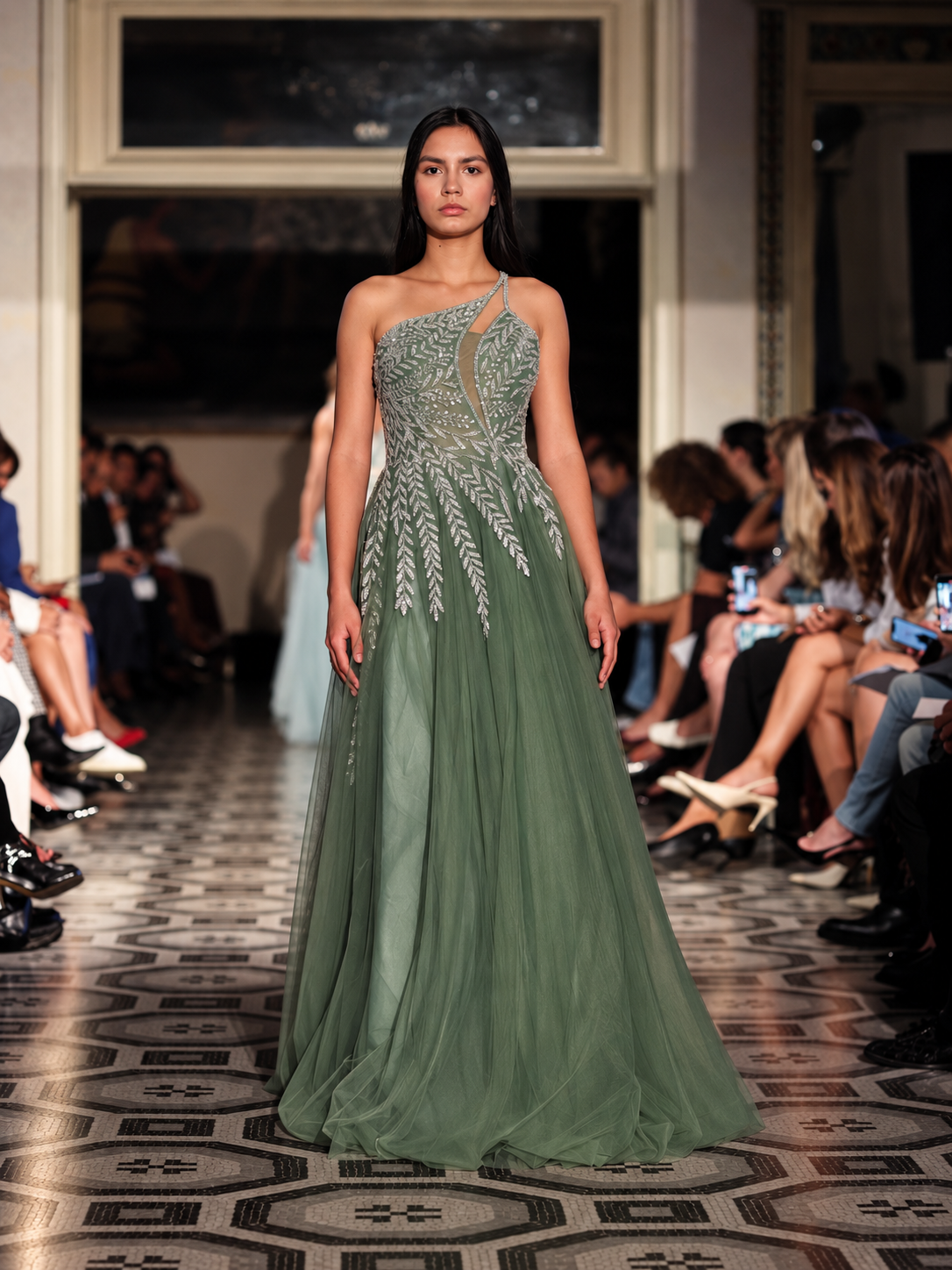
At the heart of the event was The Next Chapter — SS’27, where ISFERRA, Rovel Hagos, HELENA D’OR, and Milagros Ancheita presented four distinct perspectives on the season. Together, their collections traced a path from the future to memory, and from personal identity to cultural exchange.

Yet this season, Fashion Vibes Milano moved beyond the runway. Its Art Gallery & Showroom introduced another dimension to the event, bringing ready-to-wear, footwear, handbags, jewellery, and accessories into the conversation.
The Next Chapter

Conceived as a journey through the future, memory, identity, and culture, The Next Chapter brought together four collections that approached the body not simply as something to dress, but as a space for transformation, memory, and expression.

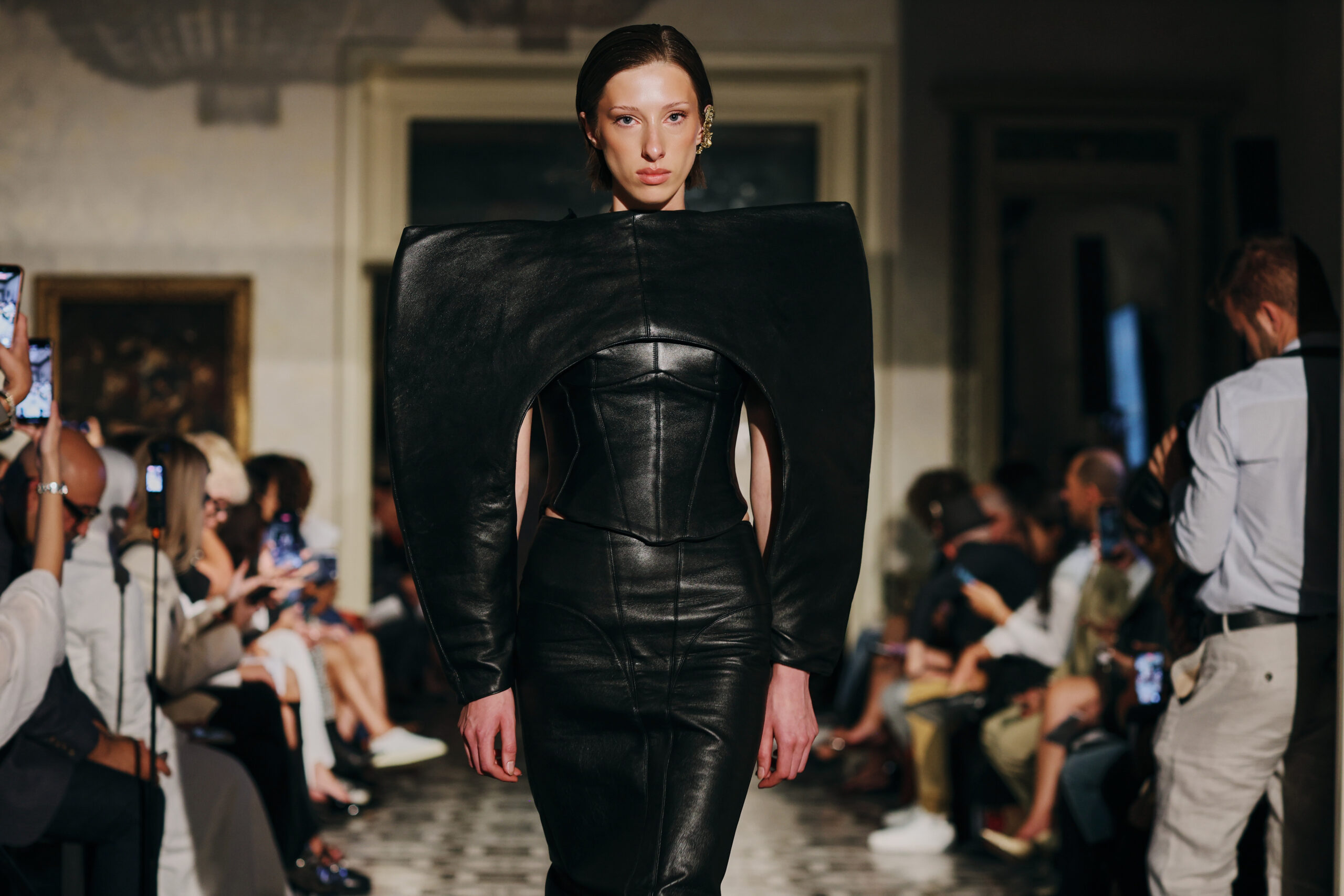
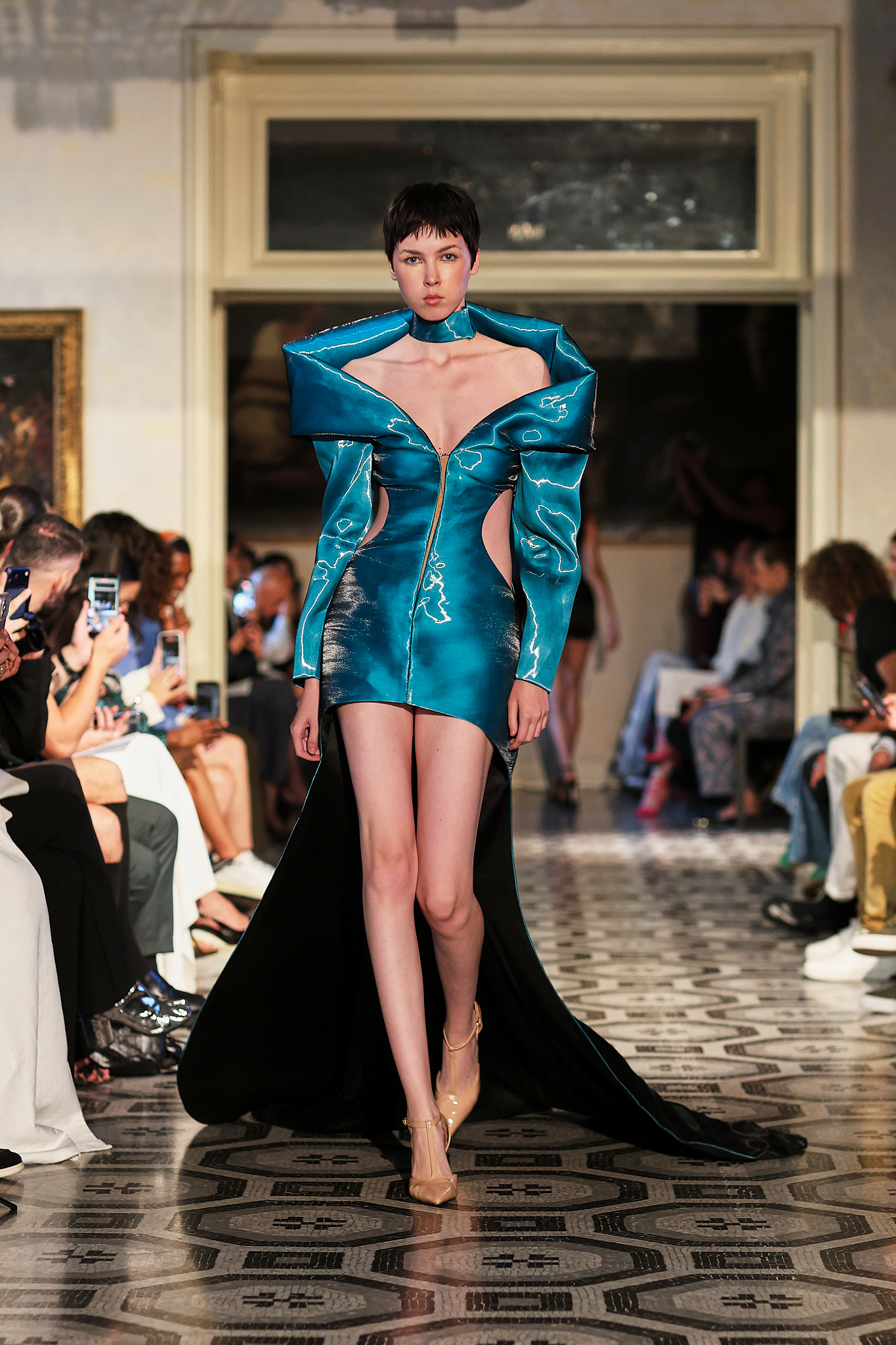
ISFERRA opened with Nova Era, a futuristic exploration of the human form through anatomical geometry, minimalism, and engineered construction. Rather than simply following the body, the collection sought to reimagine it. Composite materials, polymers, technological textiles, and experimental surfaces created sculptural volumes with almost architectural precision, while smooth, glossy finishes reinforced the idea of an idealised, evolved silhouette.

Behind the collection was a larger vision of the future. ISFERRA imagines the NOOSPHERE — an era defined by a new relationship between humanity, nature, technology, and the universe. As founder and Creative Director Diana Kadyrova explained, Nova Era is not about improving the existing human figure, but imagining “a new image of the human being” shaped by a balance between technology, aesthetics, and nature.

ISFERRA

ISFERRA

ISFERRA

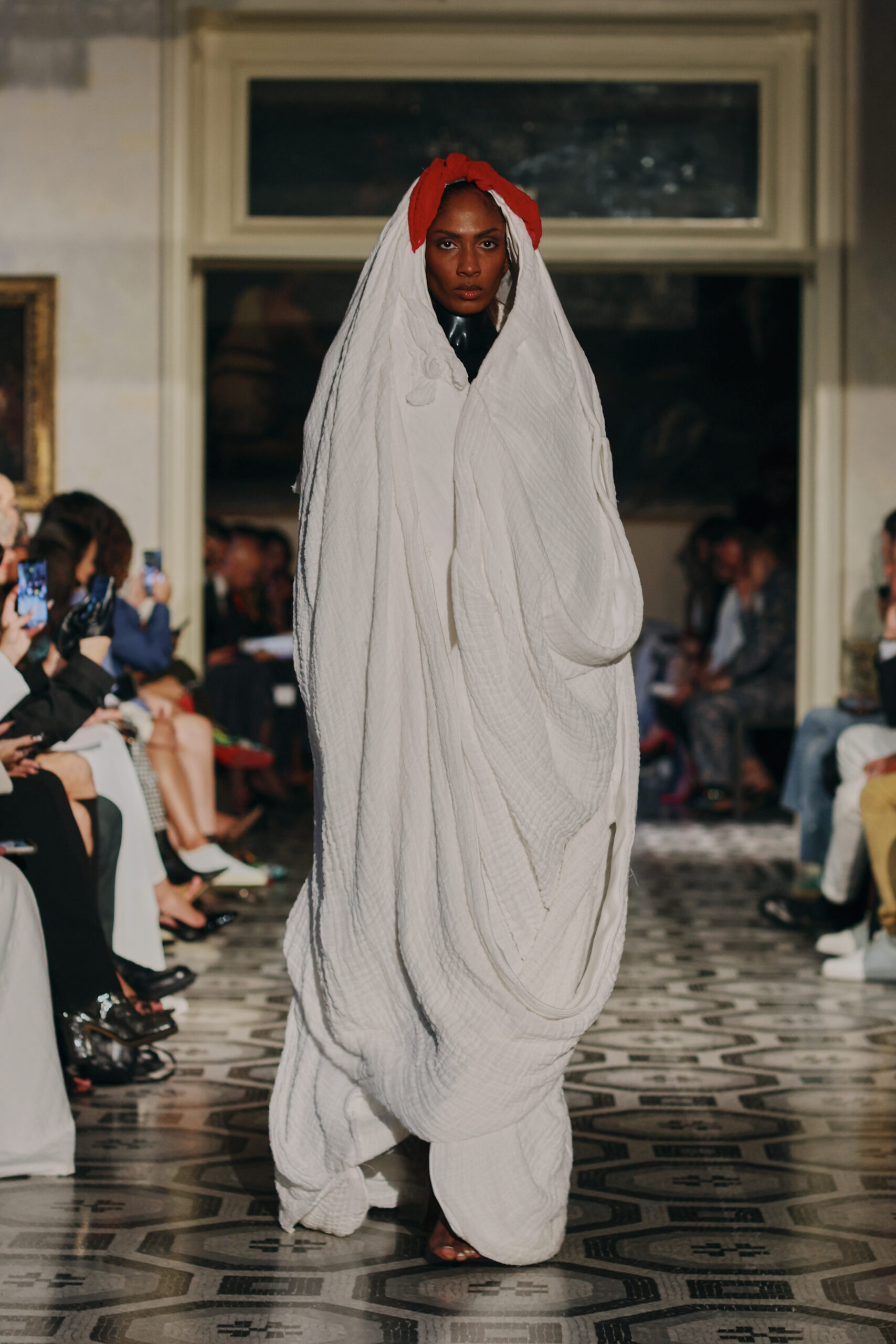
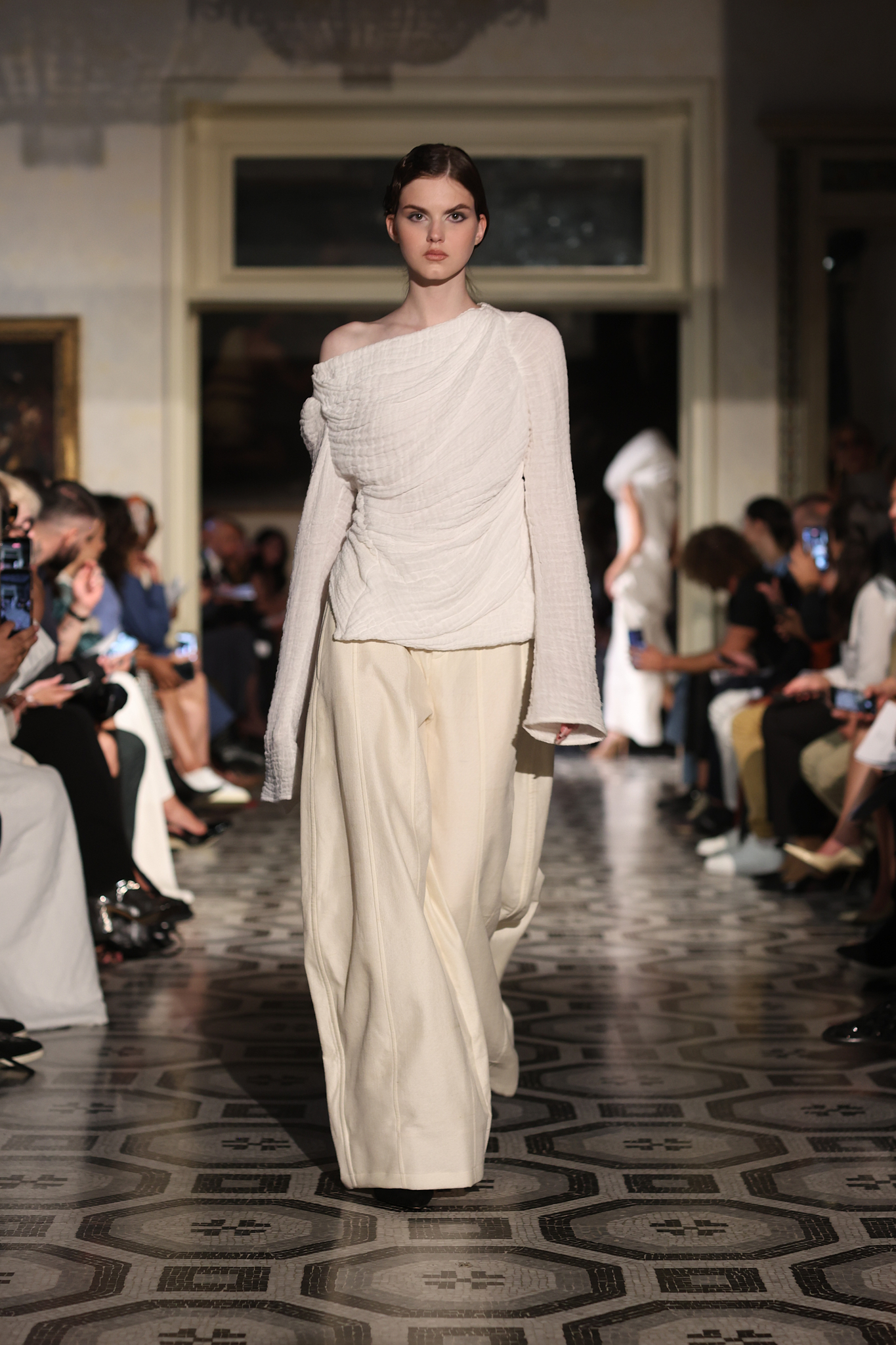
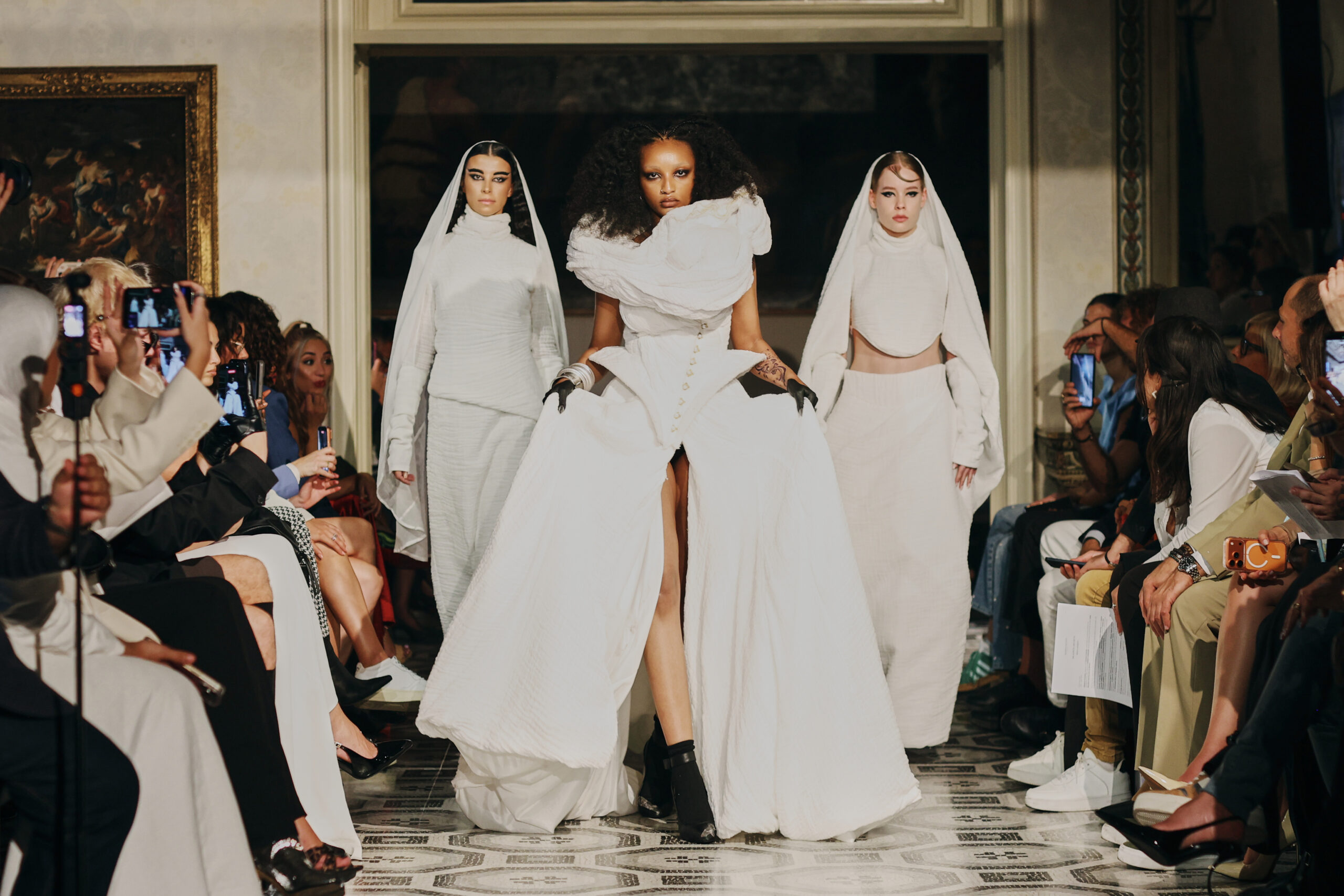
From this imagined future, Rovel Hagos turned towards the women whose stories came before us. The Women Before Me was dedicated to the designer’s mother and generations of women whose strength, sacrifice, and unconditional love have been passed down largely outside recorded history.

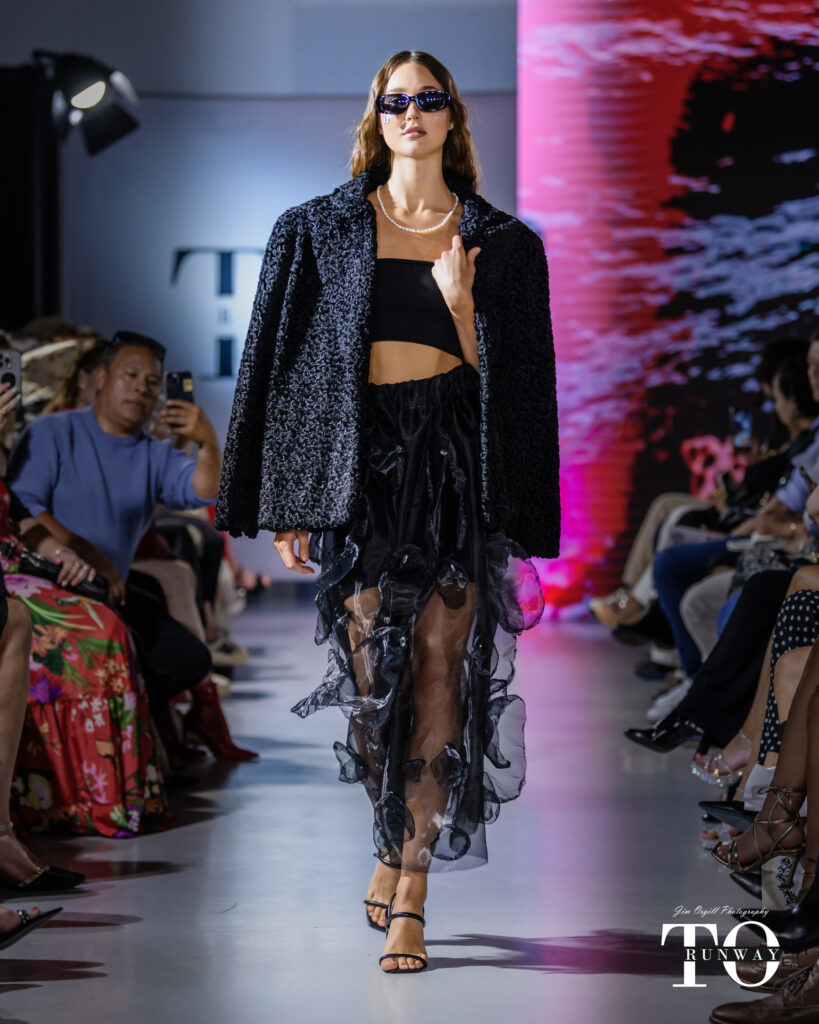
White served as the collection’s visual foundation, interrupted by graphic black elements and sharply constructed silhouettes. Exaggerated proportions and monumental outerwear suggested both shelter and armour, while fluid draping introduced a contrasting sense of tenderness and movement. Heavyweight cottons, dense wools, and technical fabrics gave the garments physical presence, while references to Eritrean and Ethiopian textile traditions connected contemporary construction with cultural and familial memory.

For Hagos, the collection ultimately became a “wearable monument” to the women whose often-unseen labour and resilience have shaped the generations that followed them.

Rovel Hagos

Rovel Hagos

Rovel Hagos

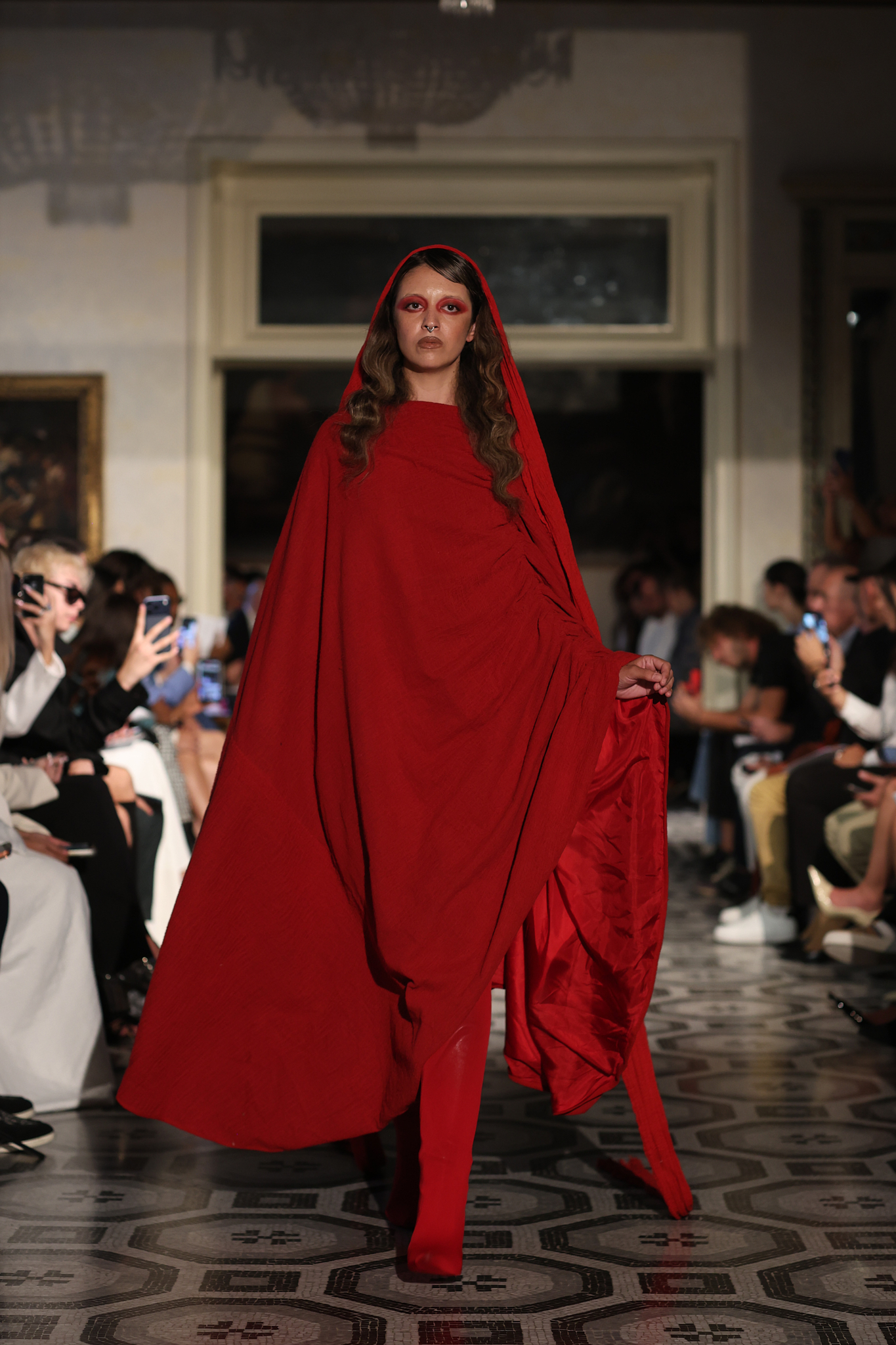
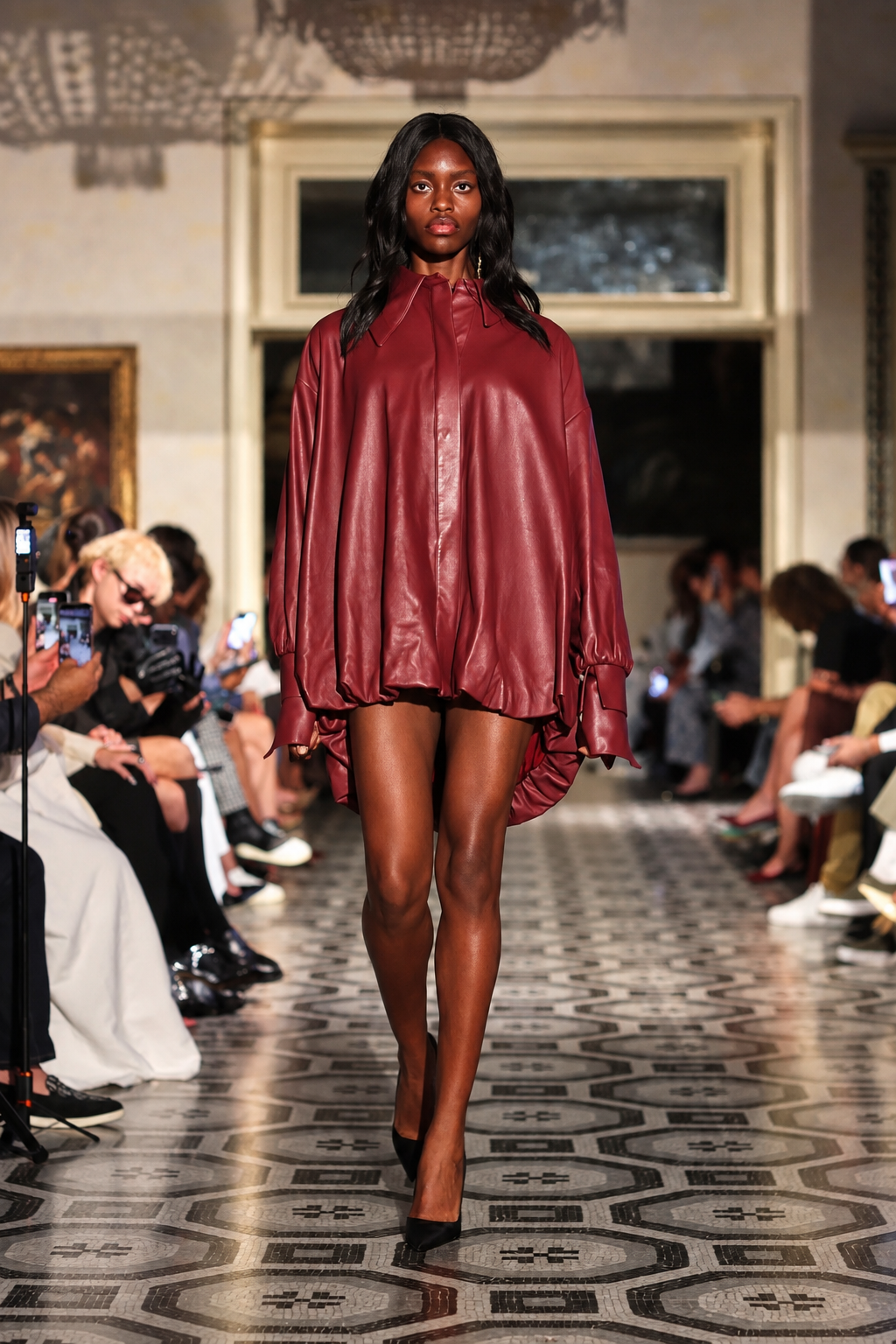
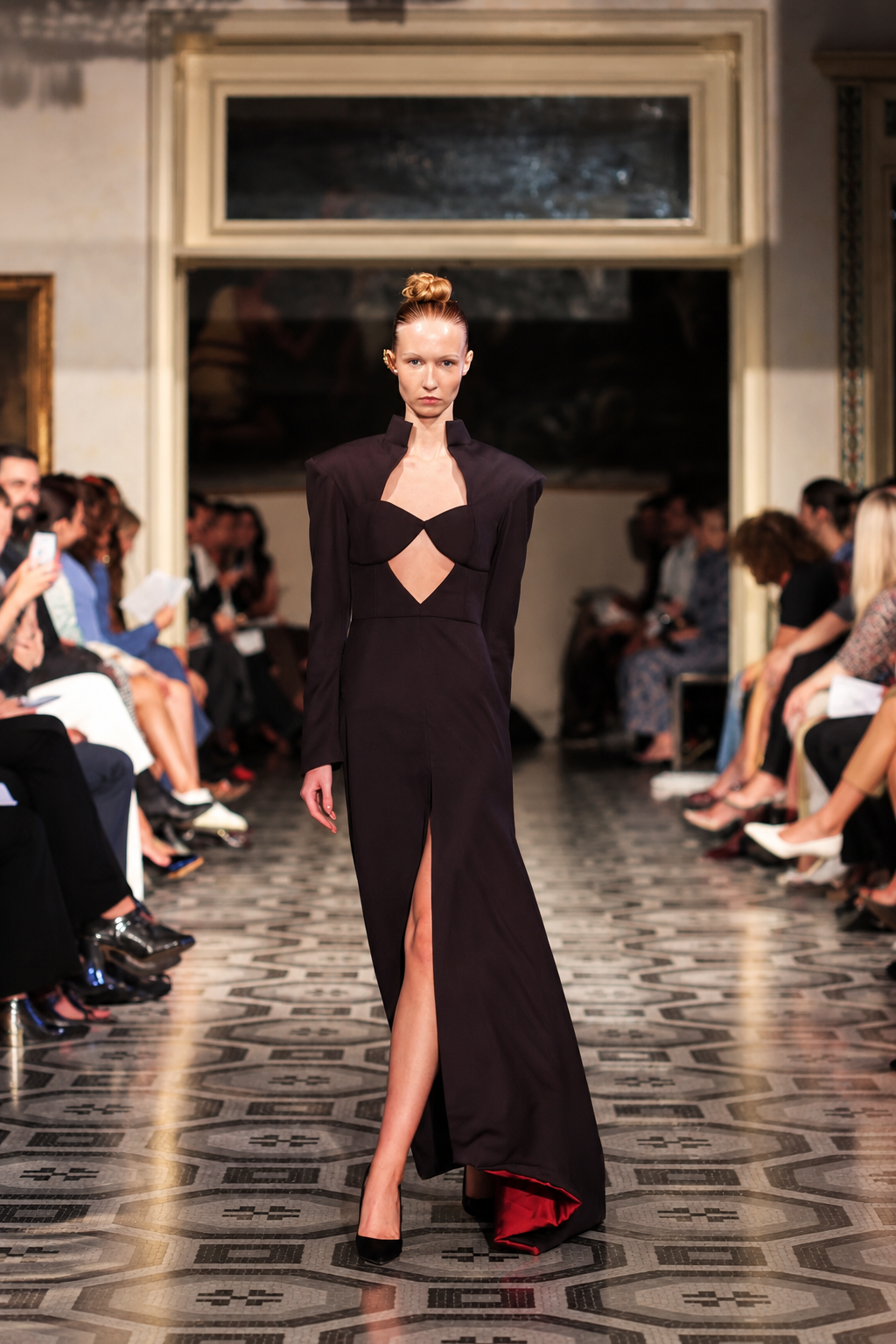
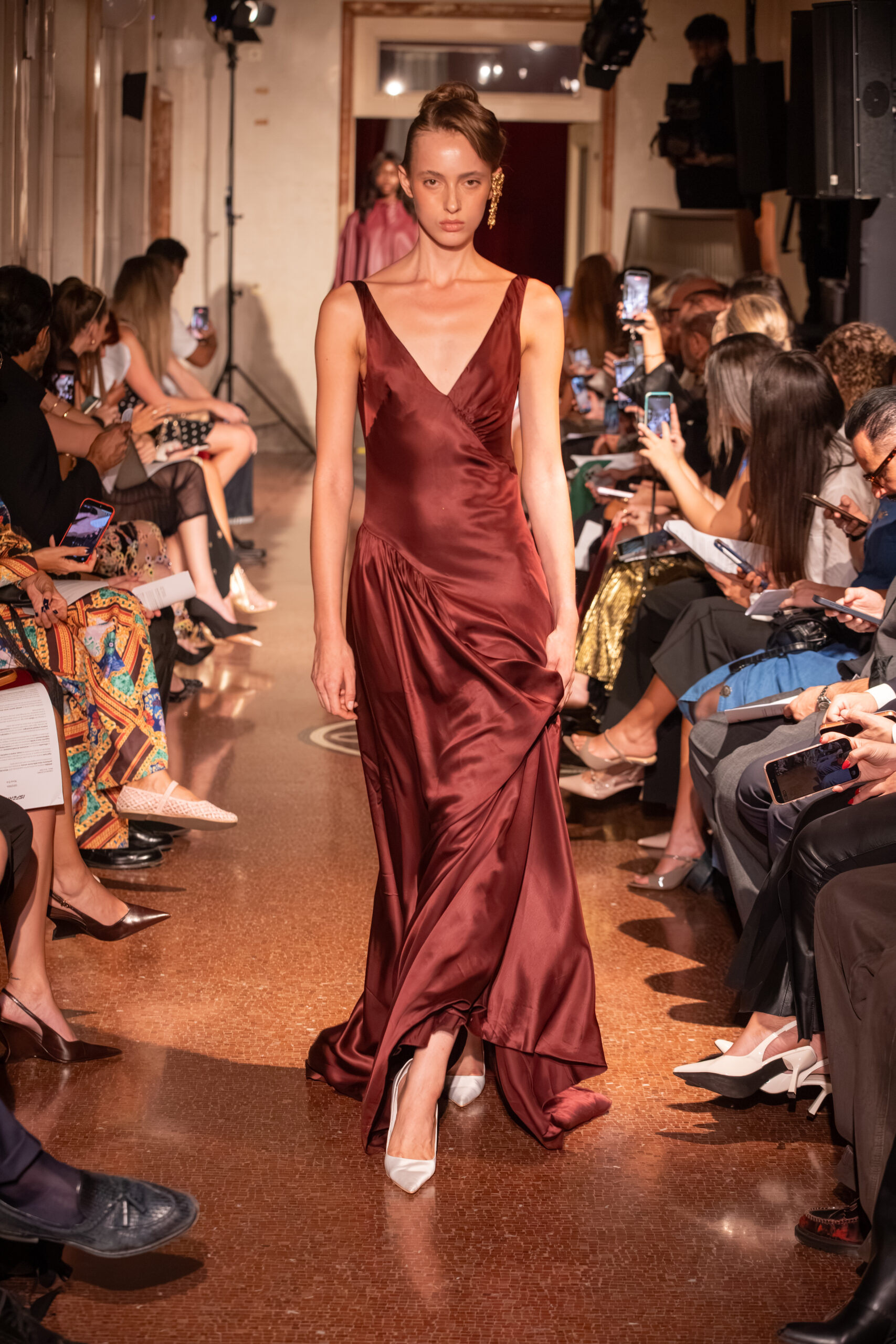
Brazilian label HELENA D’OR explored a different relationship between the body and time with Fases. Built around three stages in a woman’s life — the lover, the professional, and a final, more defining phase — the collection considered how desire, power, vulnerability, and transformation can coexist within the same identity.

In its most powerful chapter, the body becomes more than a silhouette: it becomes shelter, memory, and evidence of what it has endured. Rather than treating vulnerability as weakness, HELENA D’OR approached it as a form of construction, allowing strength and desire to exist simultaneously.

A restrained palette of black, burgundy, and off-white was expressed through leather, cold wool, and silk, creating deliberate tension between weight and lightness, protection and fragility. Rather than illustrating its narrative literally, Fases relied on suggestion, proportion, and absence, leaving space for the viewer to complete the story.

HELENA D’OR

HELENA D’OR

HELENA D’OR

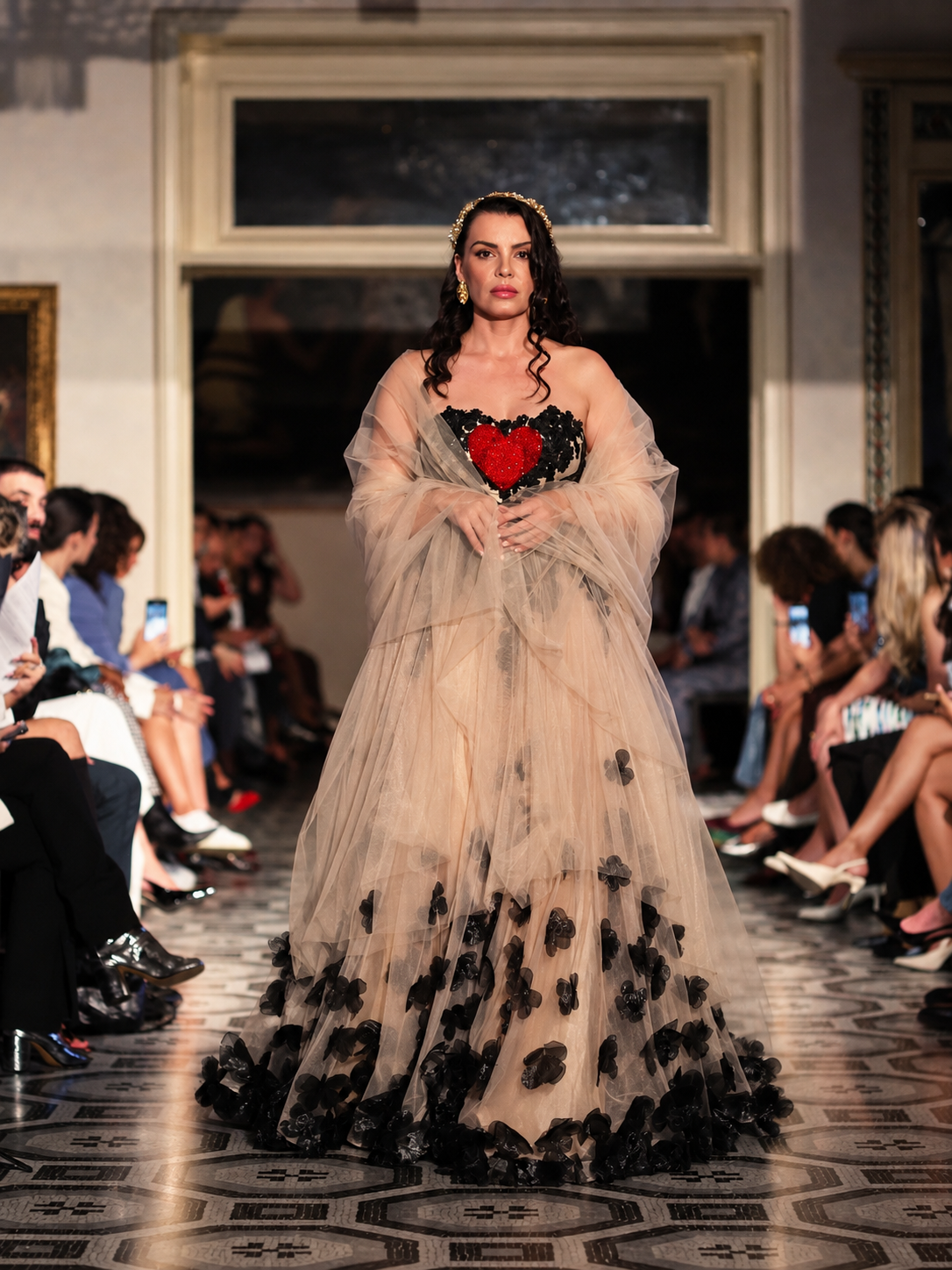
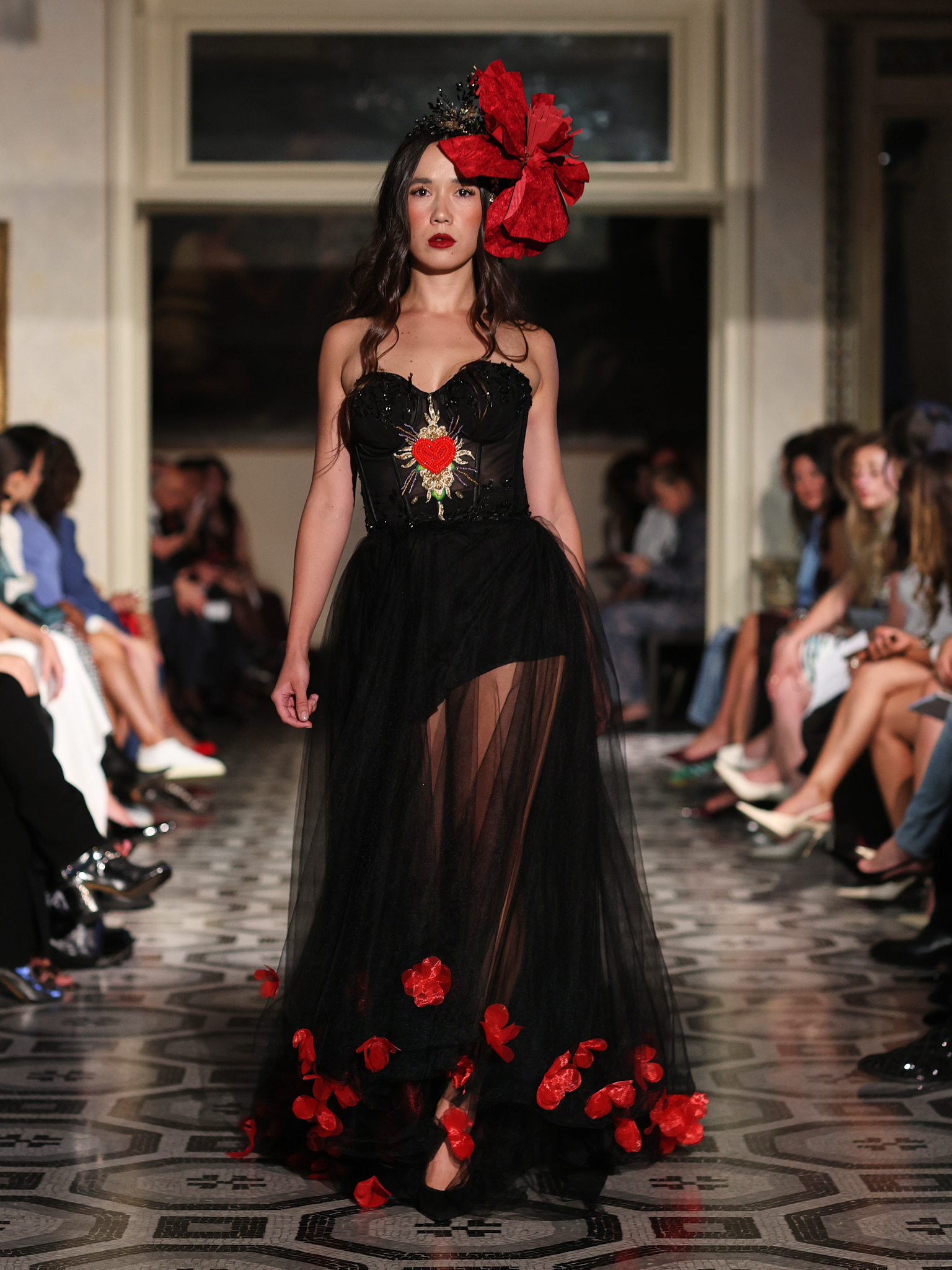
The journey concluded with Milagros Ancheita’s Baroc-Corazón, created together with Giovanni Petrillo. Its name combines Barocco and Corazón — two words that capture the meeting of Italian Baroque and Mexican cultural heritage at the heart of the collection.

Italian tailoring became a foundation for hand embroidery created by artisans from Huichol and Chamula Indigenous communities, traditional weaving techniques, and the craftsmanship of Tehuana artisans from the Isthmus of Tehuantepec. References to the visual world of Frida Kahlo appeared alongside vibrant colour, crystals, hand-painted fabrics, embroidered lace, precious stones, theatrical headpieces, and sculptural volumes.

The drama of Italian Baroque — including references to the grand productions of Milan’s Teatro alla Scala — met the colour, symbolism, and artisanal traditions of Mexico. Created in Italy by Italian seamstresses and Mexican master artisans under Ancheita’s creative direction, the collection placed cultural preservation at the centre of its visual richness, using traditional techniques as a way to carry memory forward.

Milagros Ancheita

Milagros Ancheita

Milagros Ancheita

Together, the four presentations revealed the idea at the heart of The Next Chapter. ISFERRA imagined a body transformed by the future; Rovel Hagos looked back at the women whose strength shapes the present; HELENA D’OR examined the identities accumulated across a woman’s lifetime; and Milagros Ancheita brought different cultural histories into conversation through craft.

Rather than predicting a single future for fashion, The Next Chapter suggested that what comes next may be shaped just as much by what we inherit as by what we have yet to imagine.

Beyond the Runway

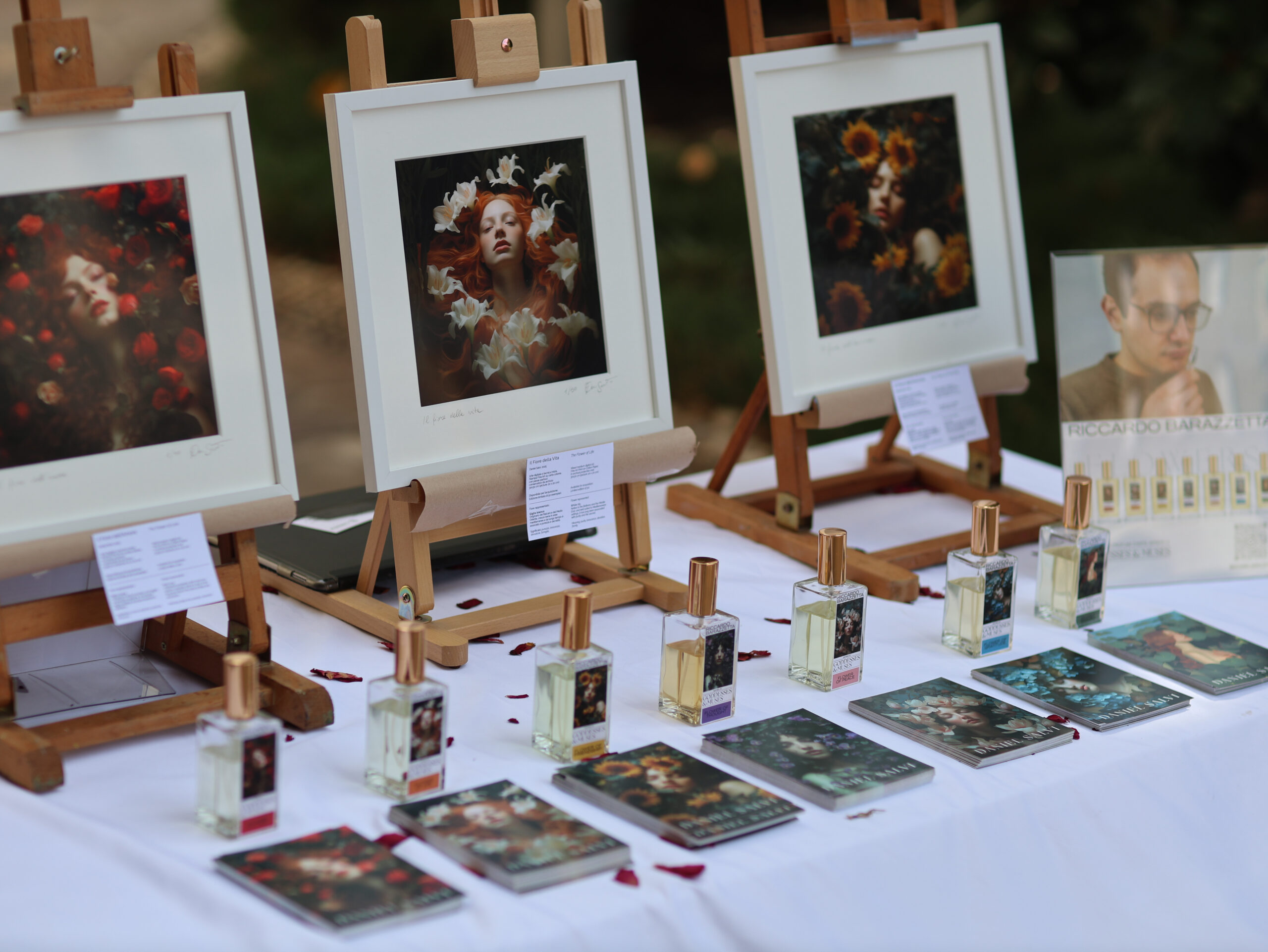
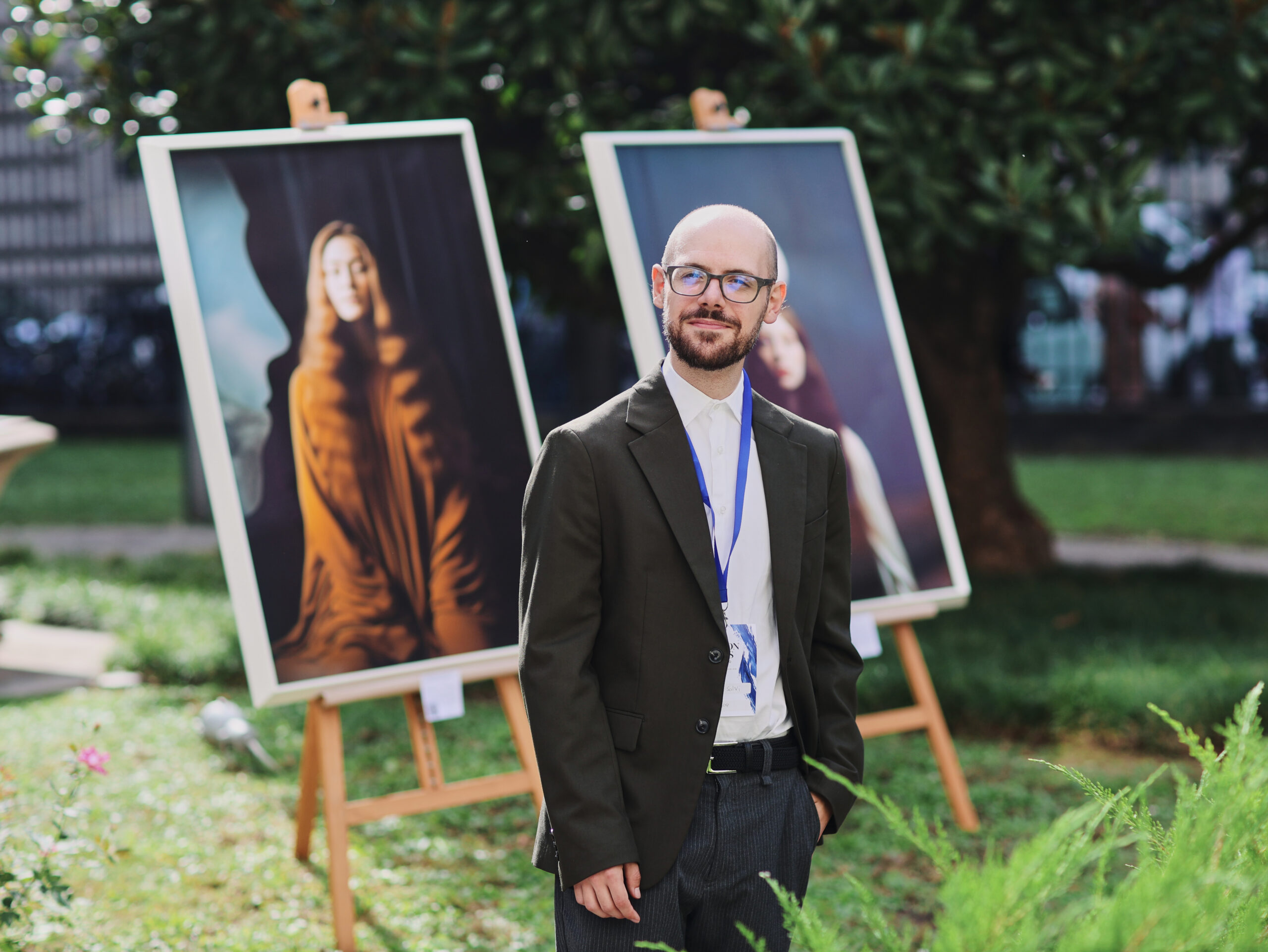
Beyond The Next Chapter, the Fashion Vibes Milano Art Gallery & Showroom brought together brands from Lebanon, Georgia, and the United States, extending the programme beyond the runway to ready-to-wear, footwear, handbags, jewellery, and accessories.

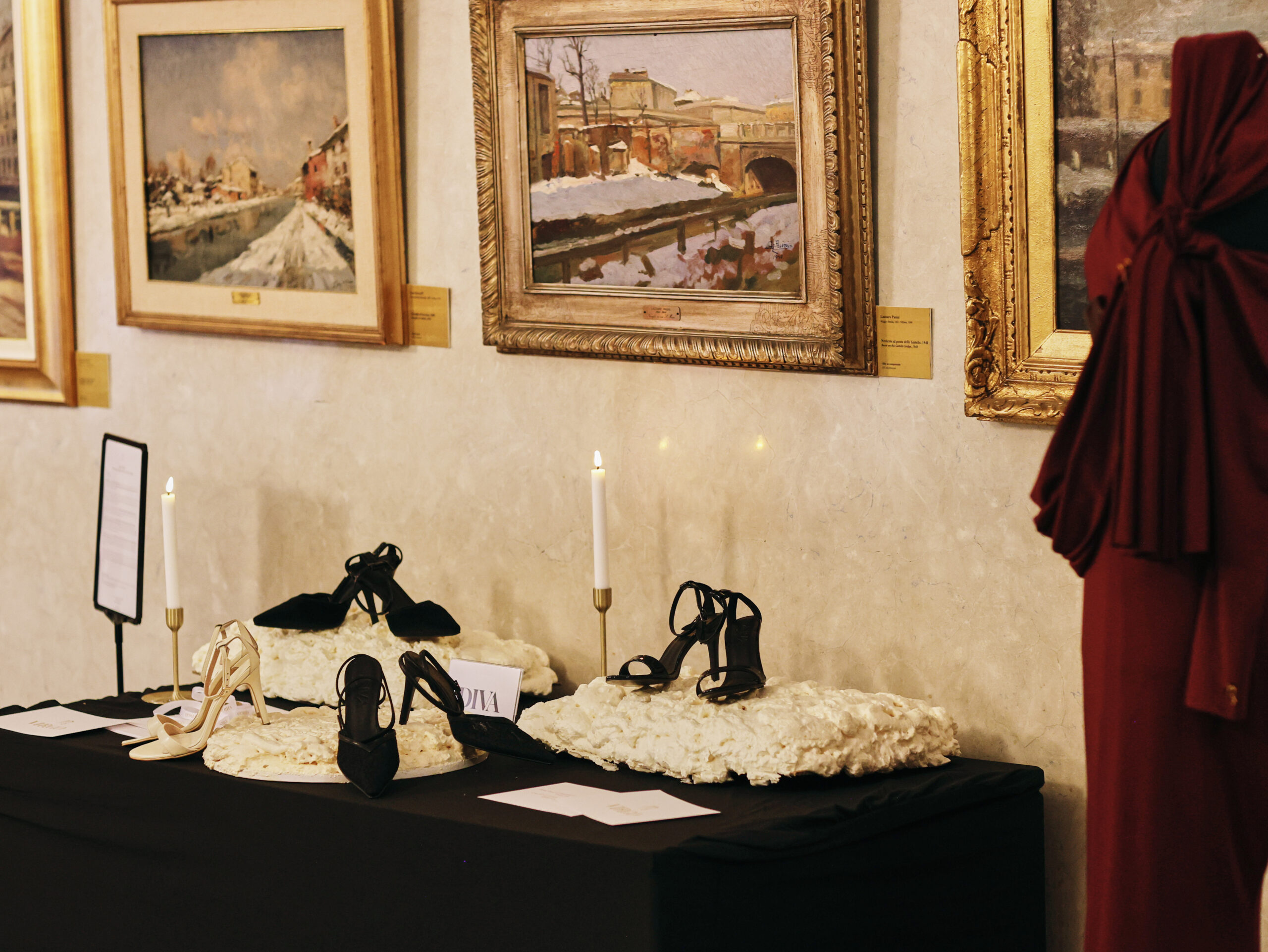
Lebanese label Diva by Noor, founded by Nour El Houda El Issa, presented a complete vision of femininity through ready-to-wear and couture footwear. Sculpted tailoring, draping, and elongated silhouettes were echoed in ultra-pointed pumps, slingbacks, high-heel sandals, and dramatically proportioned boots, connecting garment and accessory through a shared visual language.

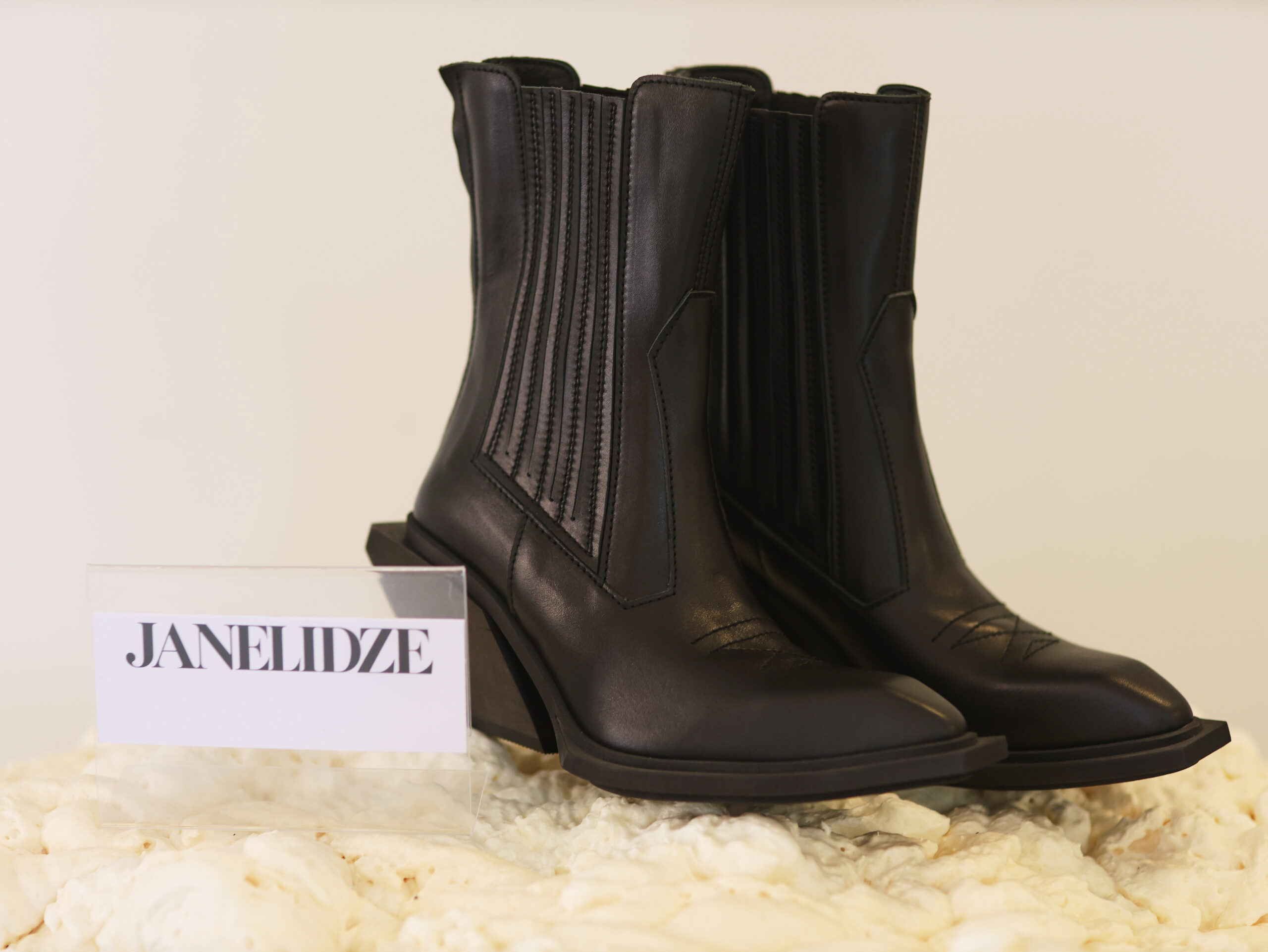
Georgia had a particularly strong presence. Janelidze Collection showcased handcrafted leather shoes, bags, and accessories distinguished by wooden details and a focus on limited-edition and individual designs, while OTANADZE drew on a 60-year family tradition of wood carving to create timepieces, architectural eyewear, and sculptural jewellery.

ZILFI Handmade drew on Georgian cultural heritage, reinterpreting the grapevine through semi-precious stones and handcrafted jewellery. SHILIFI, meanwhile, approached contemporary Georgian femininity through tailoring, balancing sharply constructed blazers and trouser suits with open-back details, defined shoulders, and a restrained yet expressive palette.

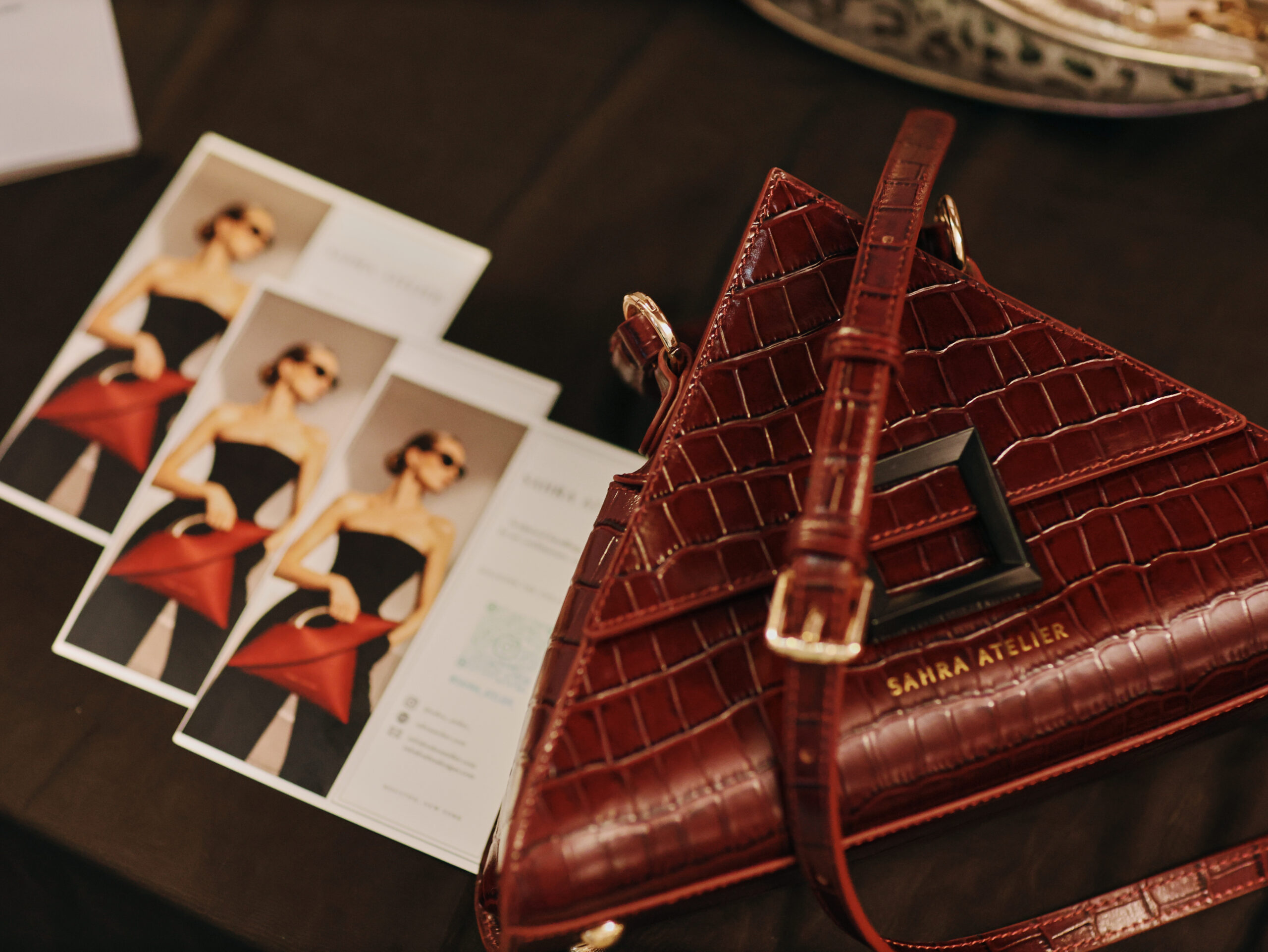
From the United States, SAHRA ATELIER, founded by Sahra Bukhari, explored luxury at the intersection of fashion, art, and architecture. Sculptural handbags and couture outerwear combined geometric construction, dimensional textures, and considered craftsmanship, reflecting the designer’s belief in pieces created to endure beyond a single season.

Together, the showroom extended the event’s dialogue around craftsmanship, cultural identity, and heritage through a contemporary lens.

A Wider Fashion Conversation

The relationship between runway and showroom ultimately became one of the defining elements of this edition of Fashion Vibes Milano.

While The Next Chapter considered the future, memory, femininity, and cultural exchange through four runway collections, the Art Gallery & Showroom shifted attention towards materials, craftsmanship, accessories, and local traditions reinterpreted for an international audience.

From ISFERRA’s futuristic constructions to OTANADZE’s woodcarving heritage, from the Mexican artisanal traditions woven into Baroc-Corazón to the sculptural forms of SAHRA ATELIER, there was no single aesthetic connecting the designers — and that was precisely the point.

Rather than proposing a single vision of where fashion is heading, Fashion Vibes Milano SS’27 brought different creative languages into the same space, allowing technology and tradition, memory and experimentation, clothing and object design to exist in dialogue.

Photos courtesy of Fashion Vibes Milano

By Catherine Mills
POST A COMMENT