

Fashion Vibes at Milan Fashion Week
Inside the Exclusive Runway Show at Centro Ambrosiano
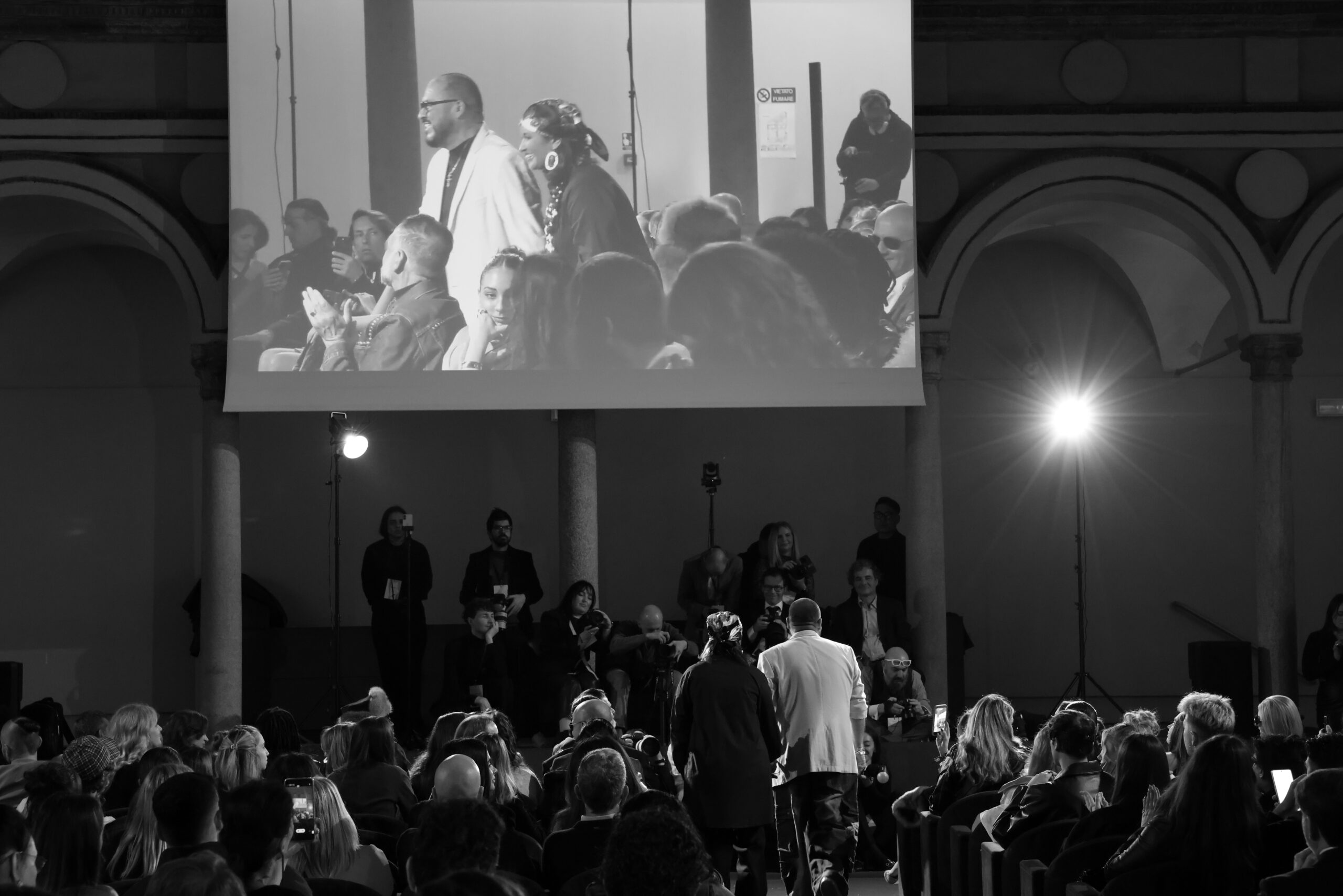
On the evening of 28 February 2026, during Milan Women’s Fashion Week FW 2026–2027, Fashion Vibes — founded and creatively directed by Juliia Palchykova — presented an exclusive curated runway show at the historic Centro Ambrosiano, one of Milan’s most prestigious architectural landmarks, dating back to 1232. The evening unfolded as a dialogue between cultures, identities, and creative disciplines, bringing together haute couture, bridal couture, fine jewellery, and conceptual fashion from designers across the globe.
The show was structured in two acts, each carrying its own distinct narrative idea.
ACT I: Architecture, Identity, and Empowered Femininity
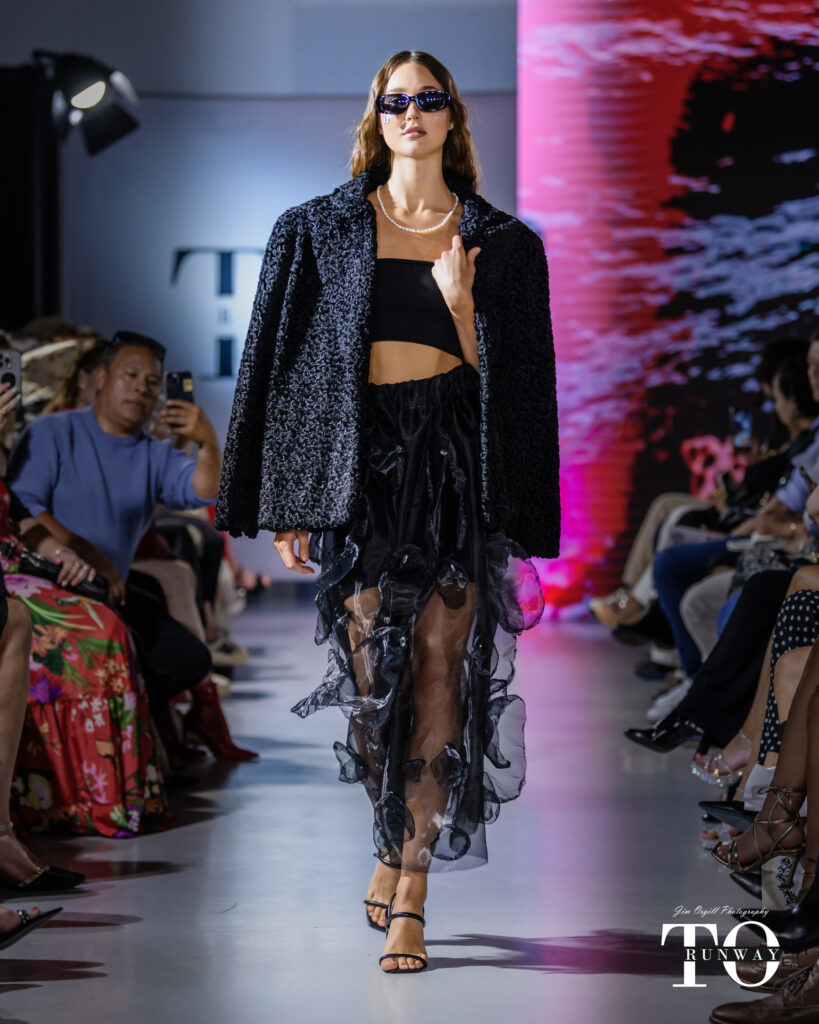
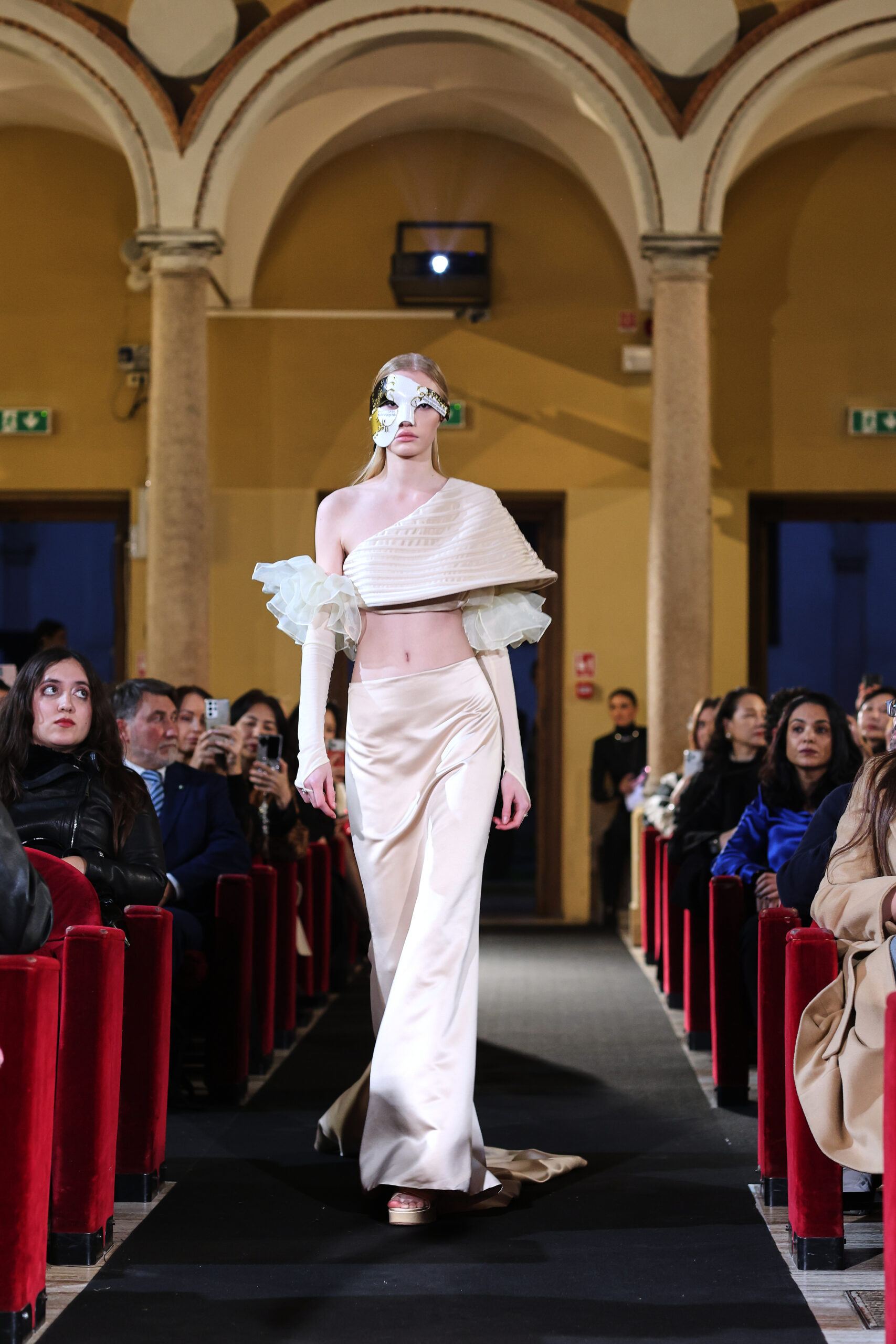
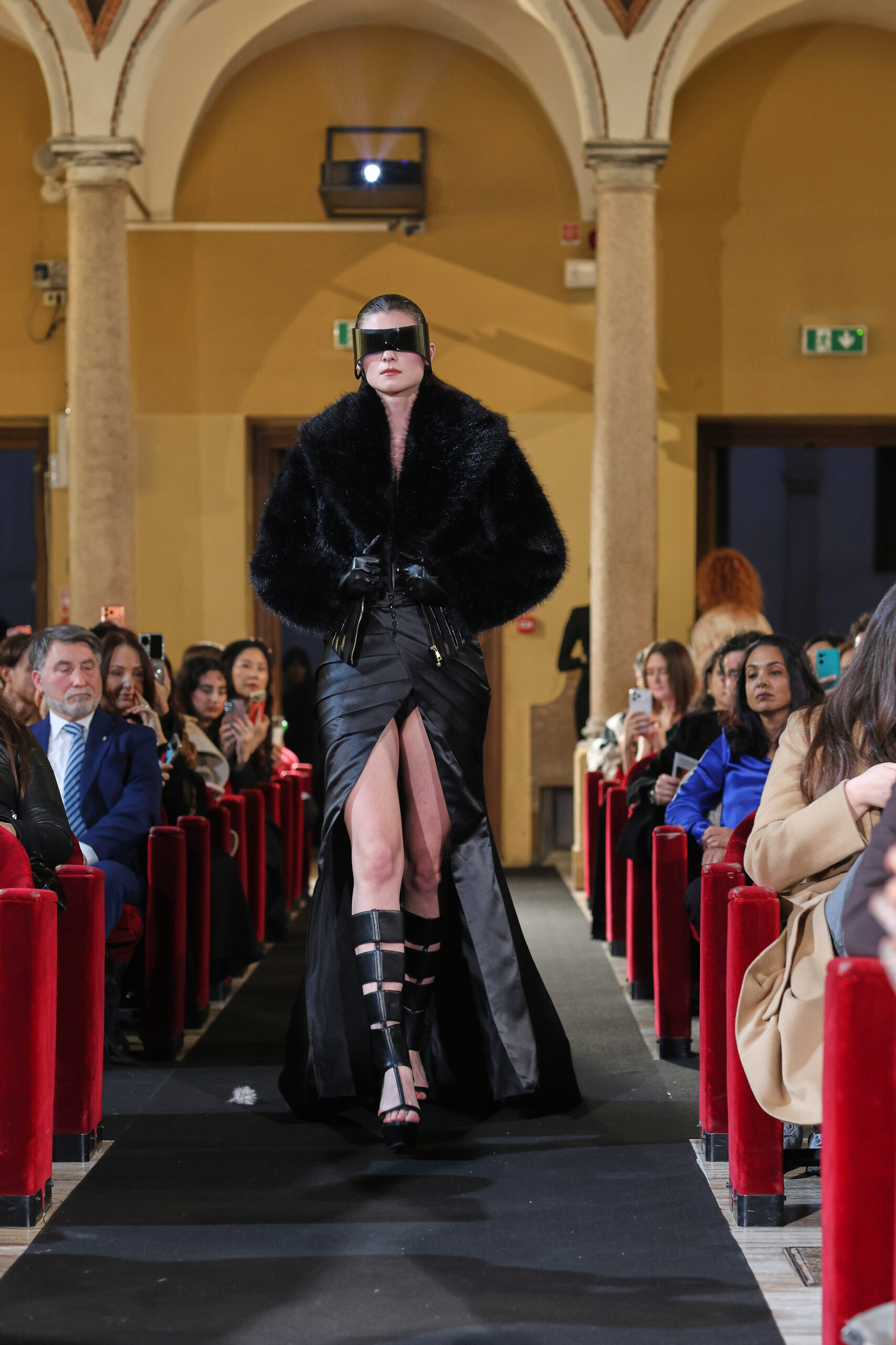
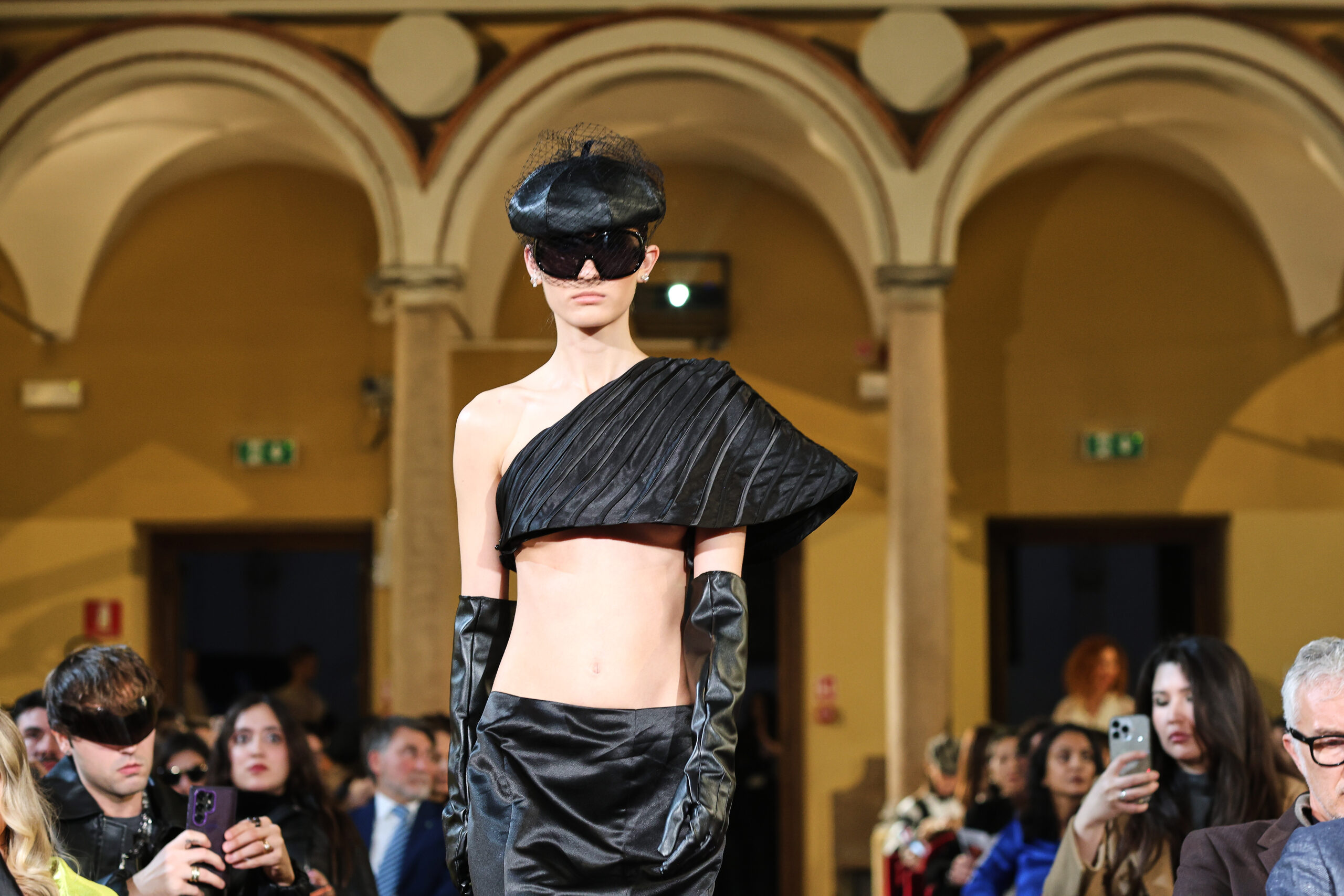
The first act opened with Luxe Living Fashions — founded and creatively directed by Lavitia Davis — and their collection Puissance Sculptée, French for “Sculpted Power.” The collection explored the power of architectural couture: structured silhouettes, sculpted shoulders, and fluid draping converged into a modern expression of feminine strength. The palette moved between obsidian black and bone — emphasising contrast, structure, and fluidity within each silhouette. Among the standout looks: a cream-white set featuring a pleated one-shoulder top and a satin skirt with a train, completed with an ornate masquerade mask that lent the look theatrical mystique. In sharp contrast, a fully black look — an oversized fur jacket, a draped slit skirt, and futuristic visor sunglasses — commanded the room with quiet authority. Sensuality emerged not through excess, but through control, proportion, and disciplined form.
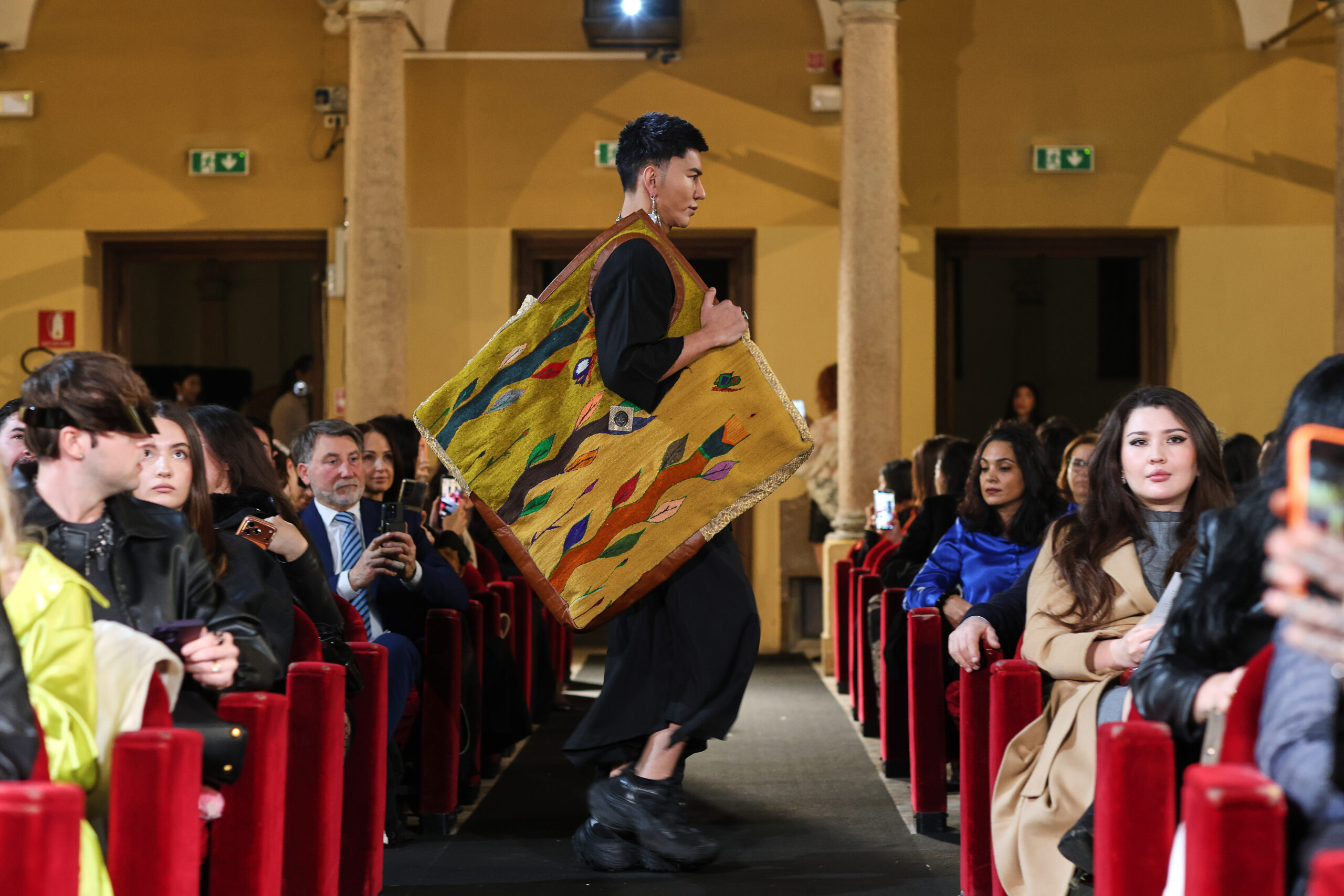
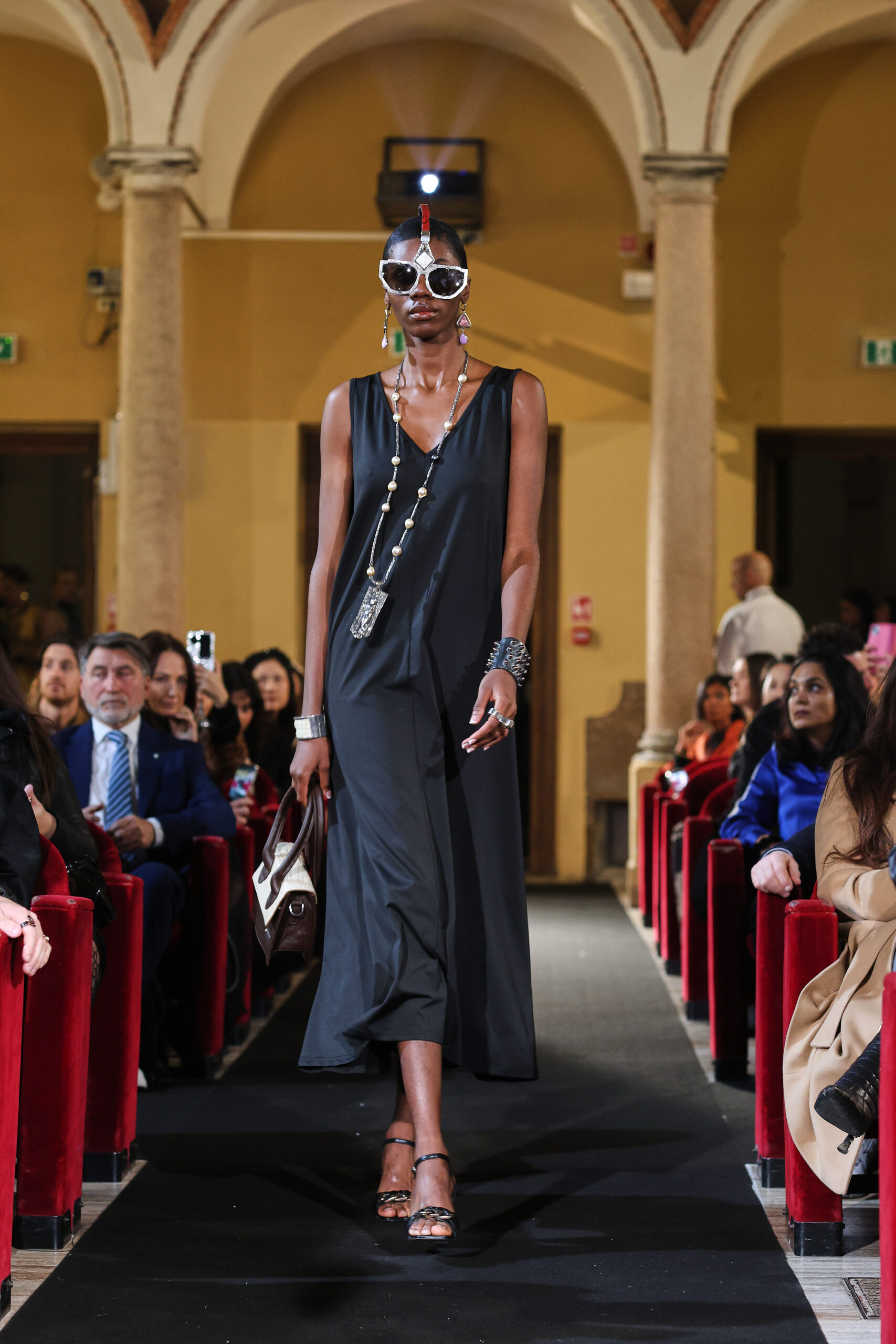
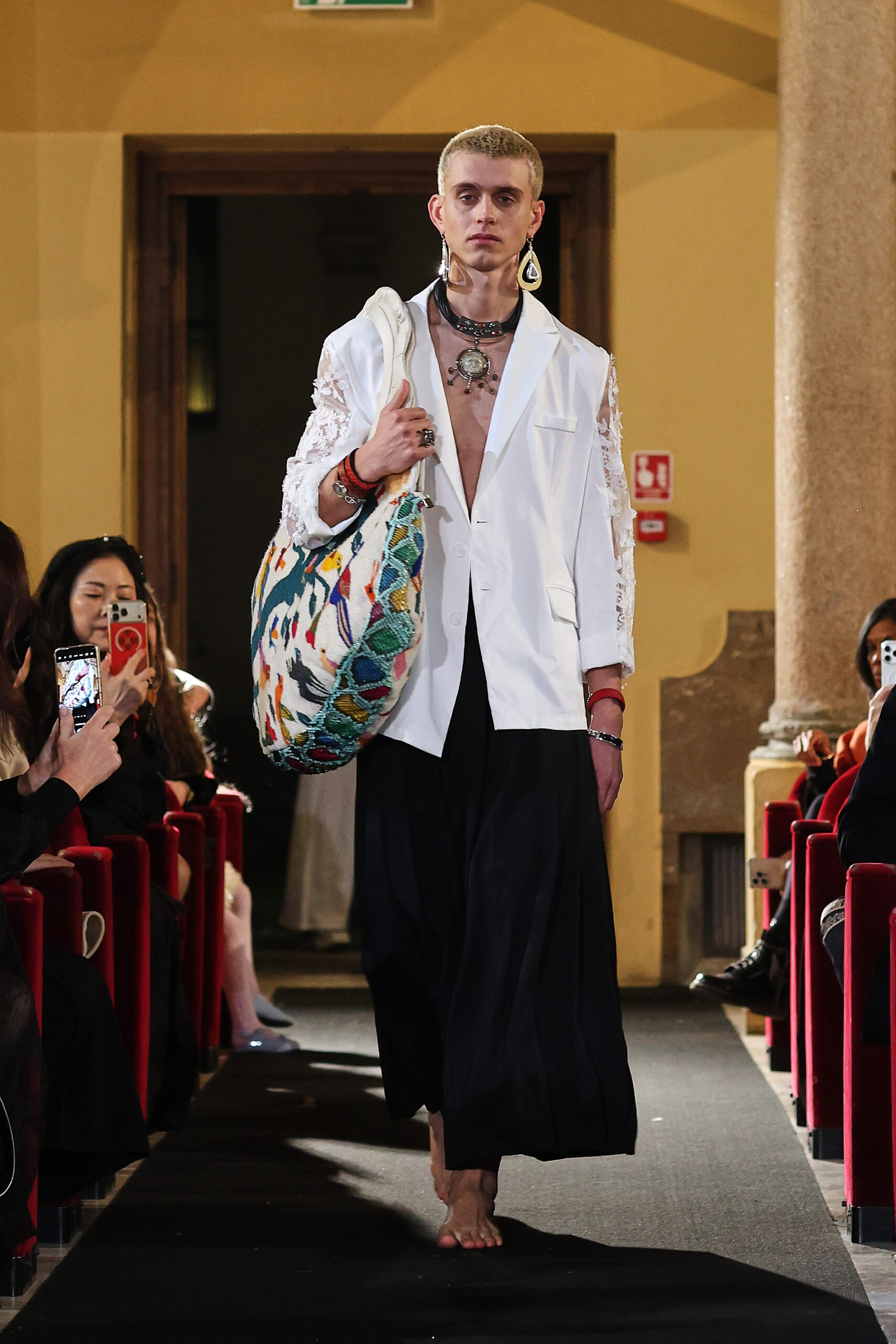
Indira & Isidro brought a refined dialogue between Mexican cultural heritage and contemporary luxury to the runway — not through clothing, but through the pieces themselves. Each look was built around an object: a voluminous multicoloured bag with ethnic embroidery carried by a model in a white lace-trimmed blazer, layered with bold silver and gold jewellery; a minimalist black dress serving as a neutral backdrop for striking cat-eye sunglasses, a long pearl necklace, and a structured clutch; and an oversized mustard textile tote featuring a vivid floral and leaf print — a true art object on the runway. With over two decades of experience, the brand brought the artistry of San José del Cabo to an international stage, each piece telling its own story of passion and precision.
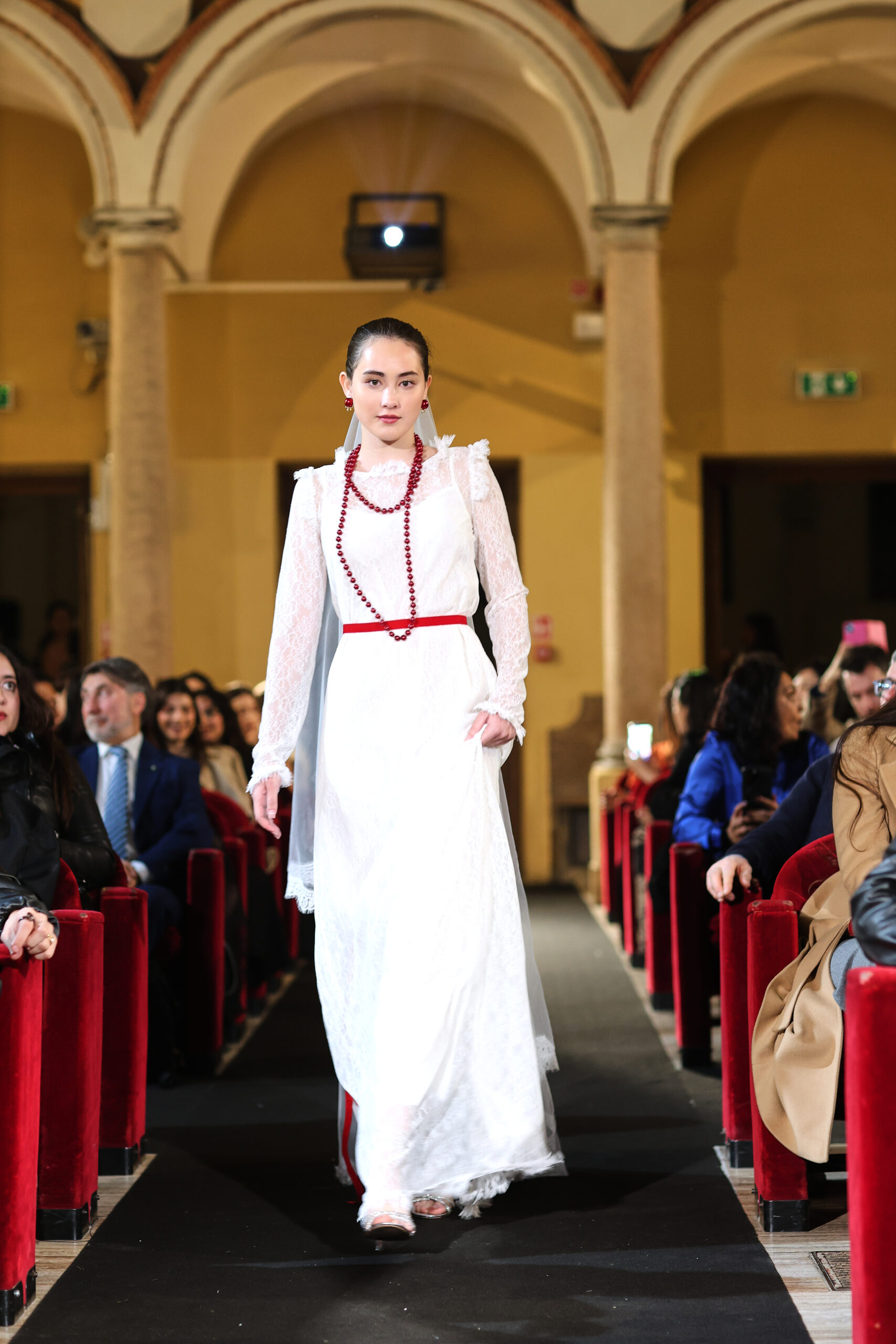
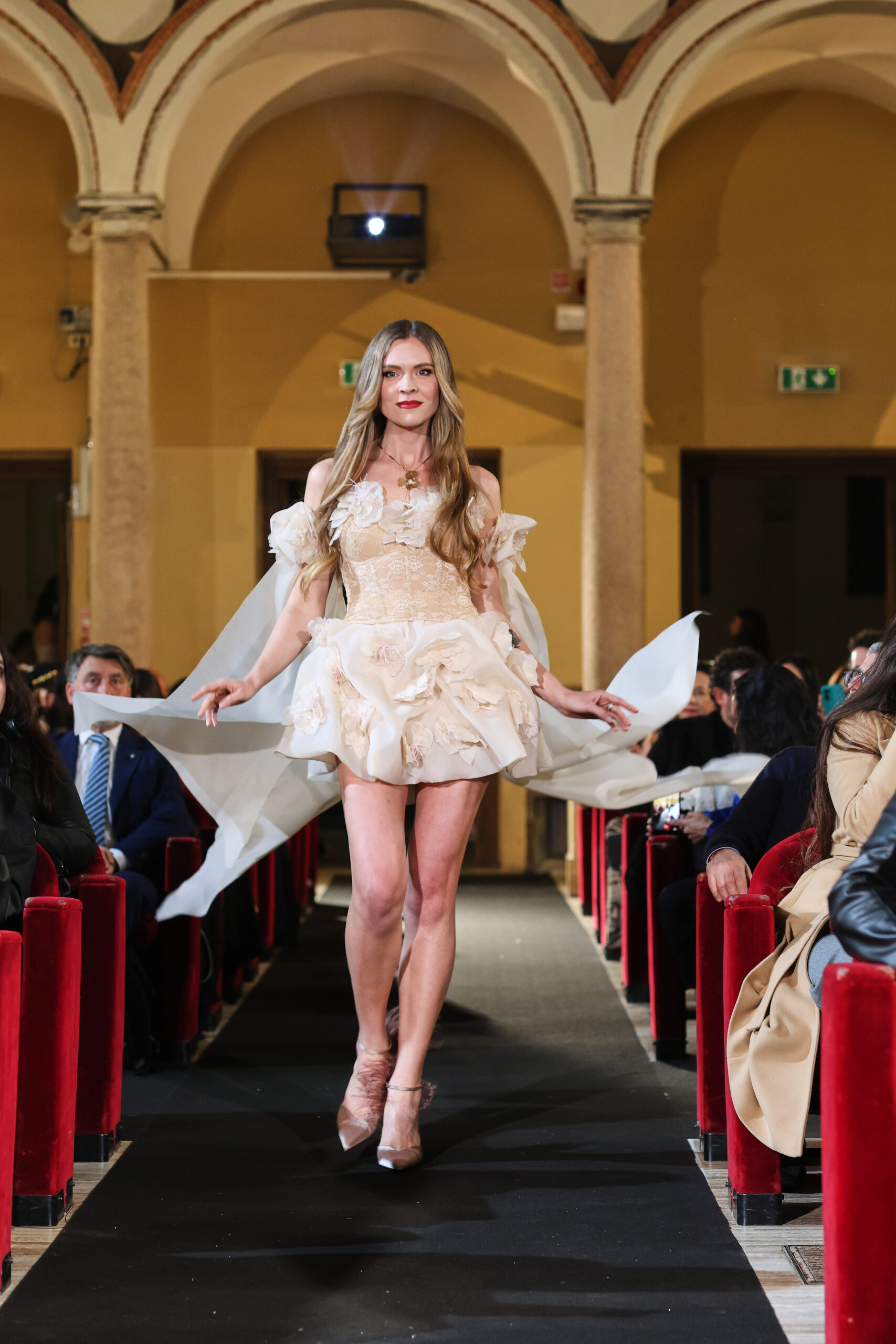
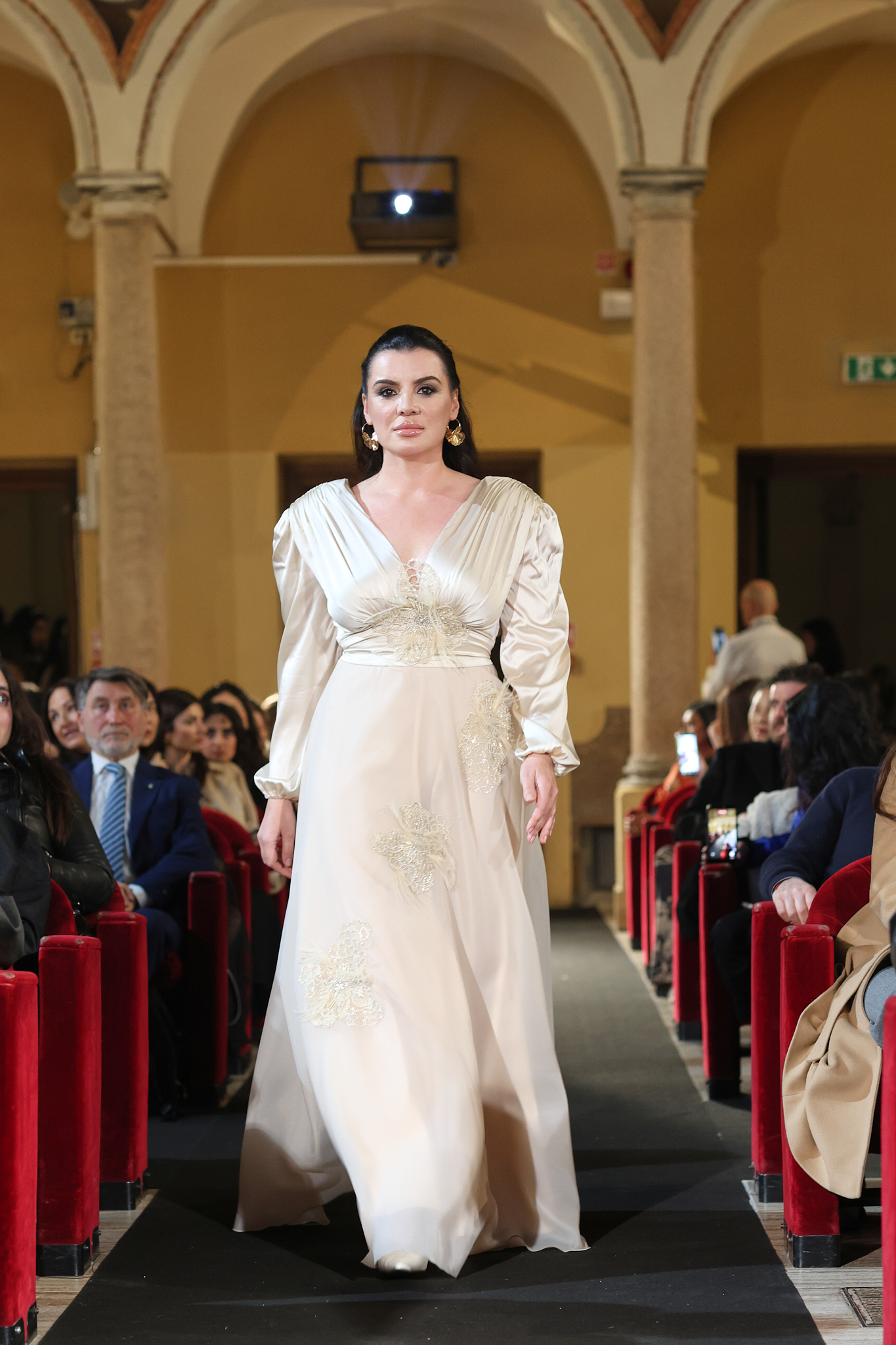
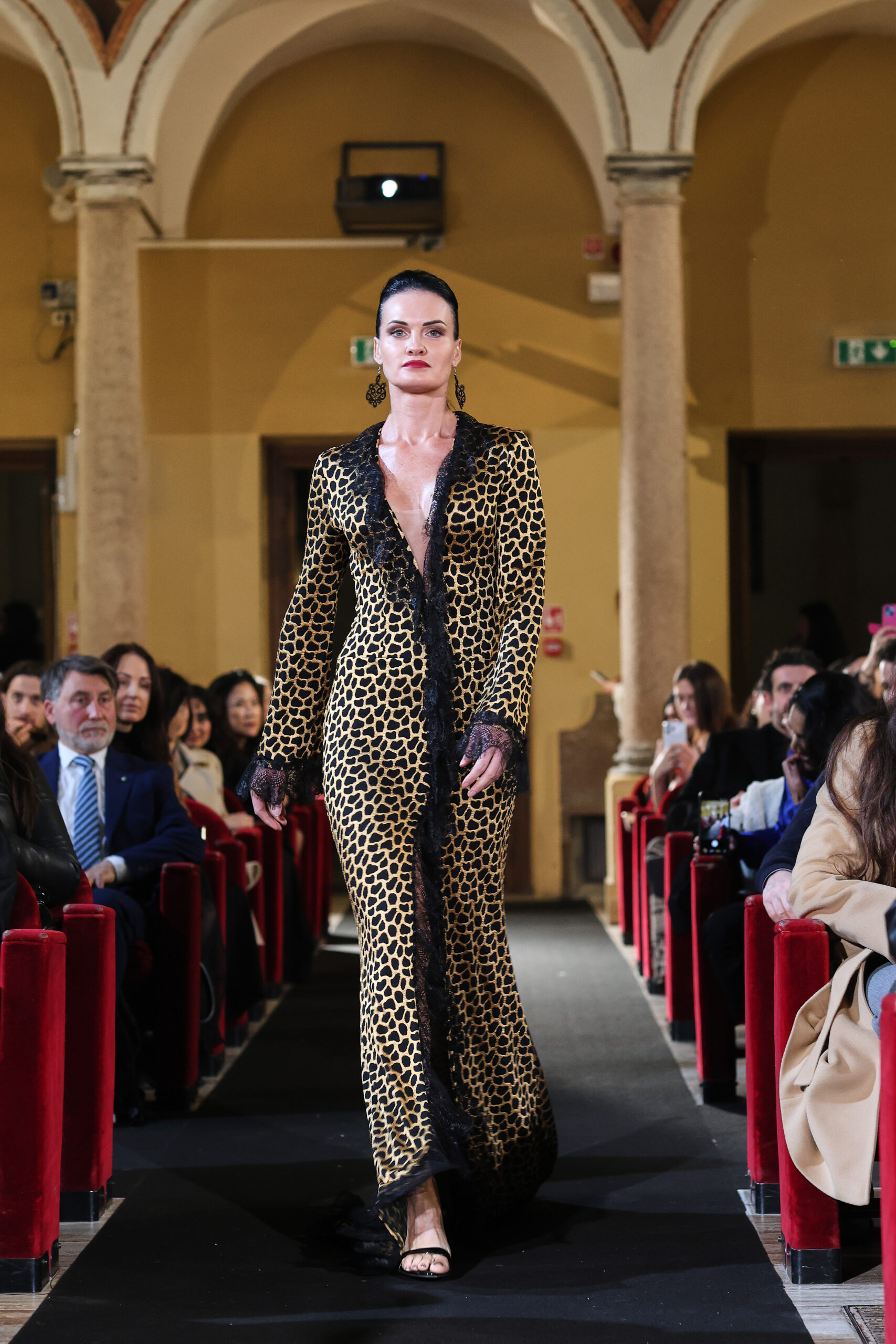
The first act closed with TUTTROSTYLE — founded by Tatsiana Trafimenkava — and a couture collection defined by sensuality, strength, and refined elegance. The lineup impressed with the distinct character of each look: a white lace gown with long sleeves, accented by a bold red beaded necklace and matching belt — an unexpected yet perfectly calibrated contrast; a champagne mini dress with a voluminous ruffled skirt, floral appliqué details, and a dramatic trailing cape; a champagne satin maxi gown with sculpted sleeves and gold lace appliqué honouring femininity in every detail. The final look was perhaps the most memorable — a fitted floor-length gown in leopard print with black lace trim, uniting animal boldness with couture refinement. Fluid silhouettes, corsetry details, and sculptural volumes balanced power with grace throughout.
ACT II: Couture, Symbolism, and Transformation
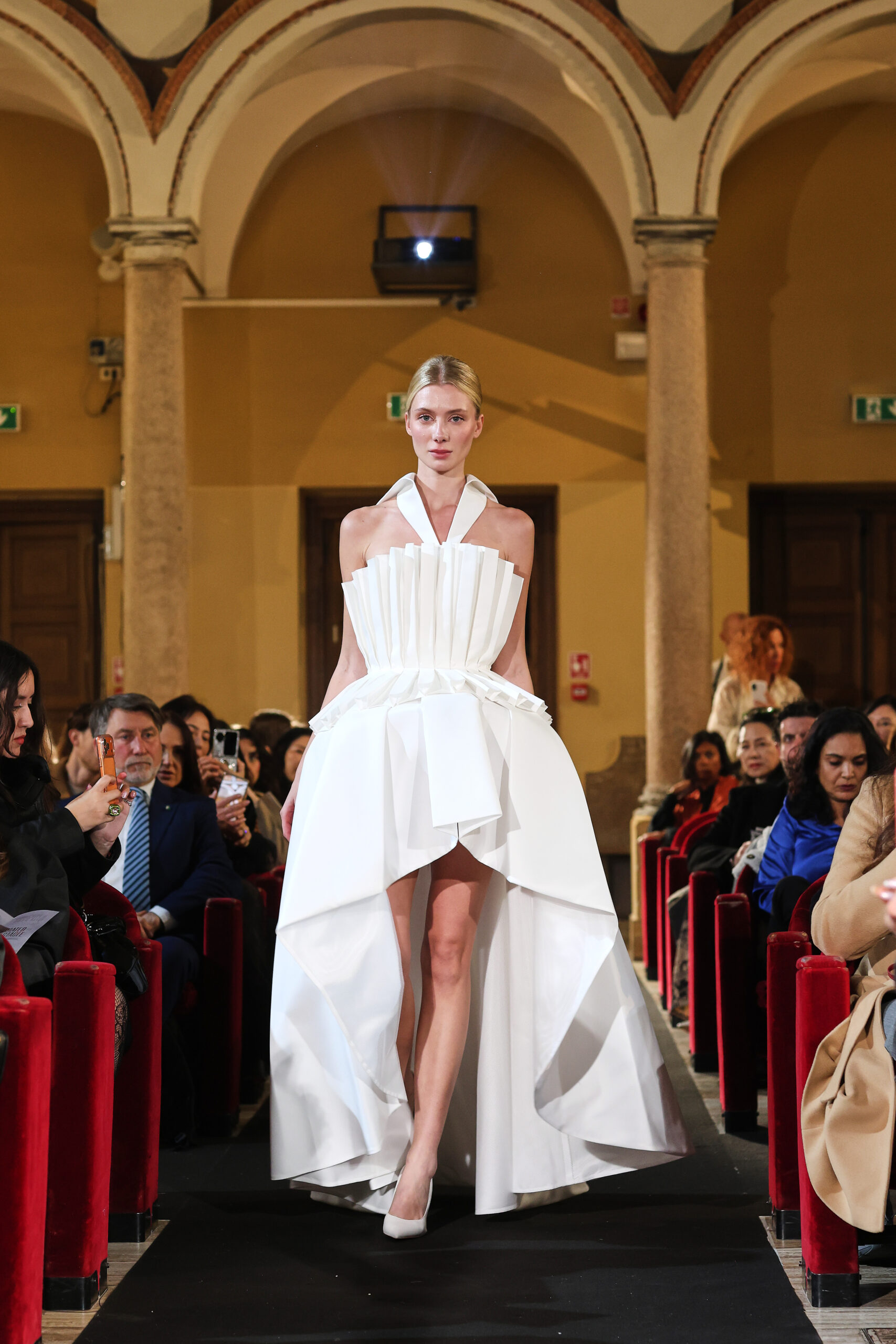
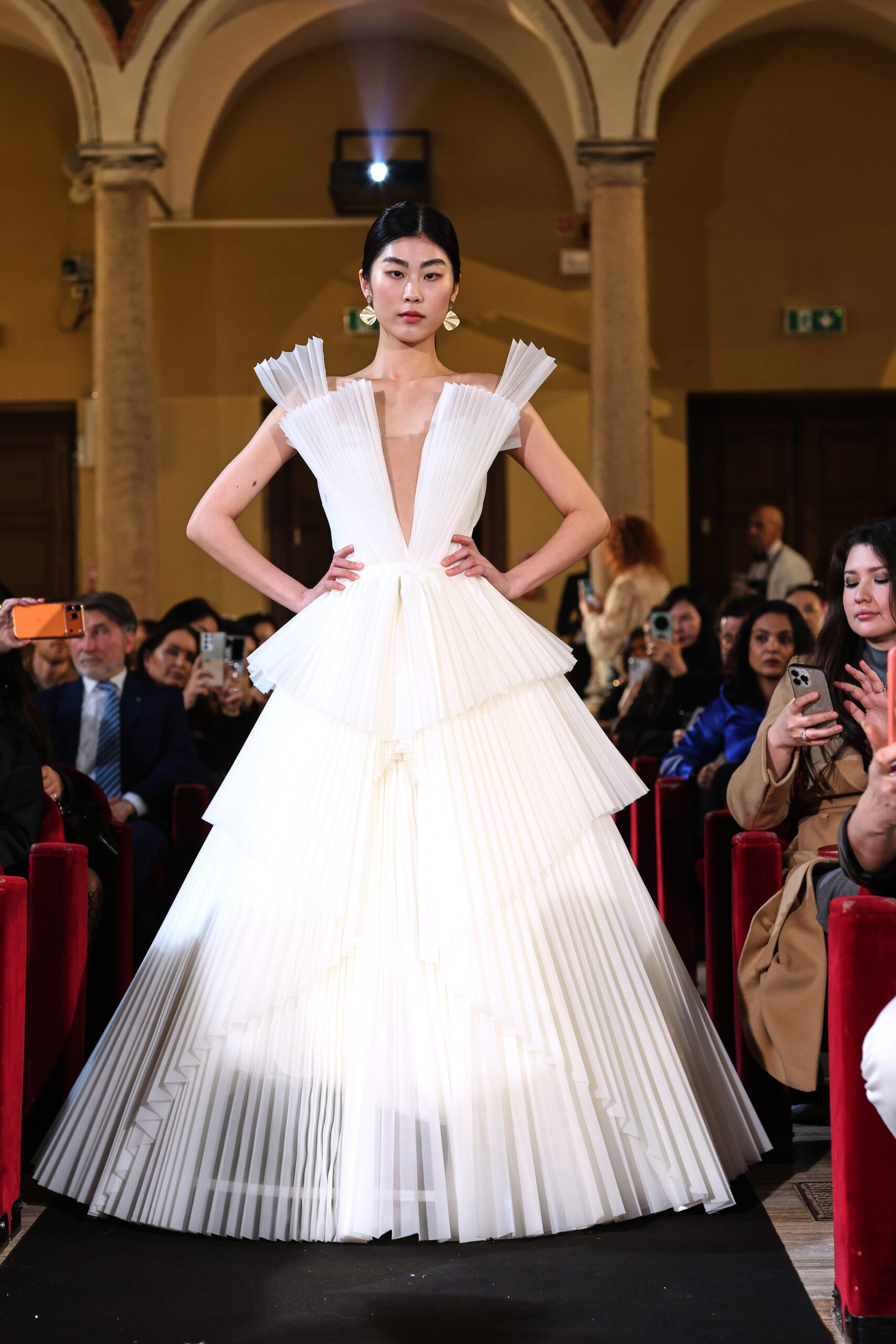
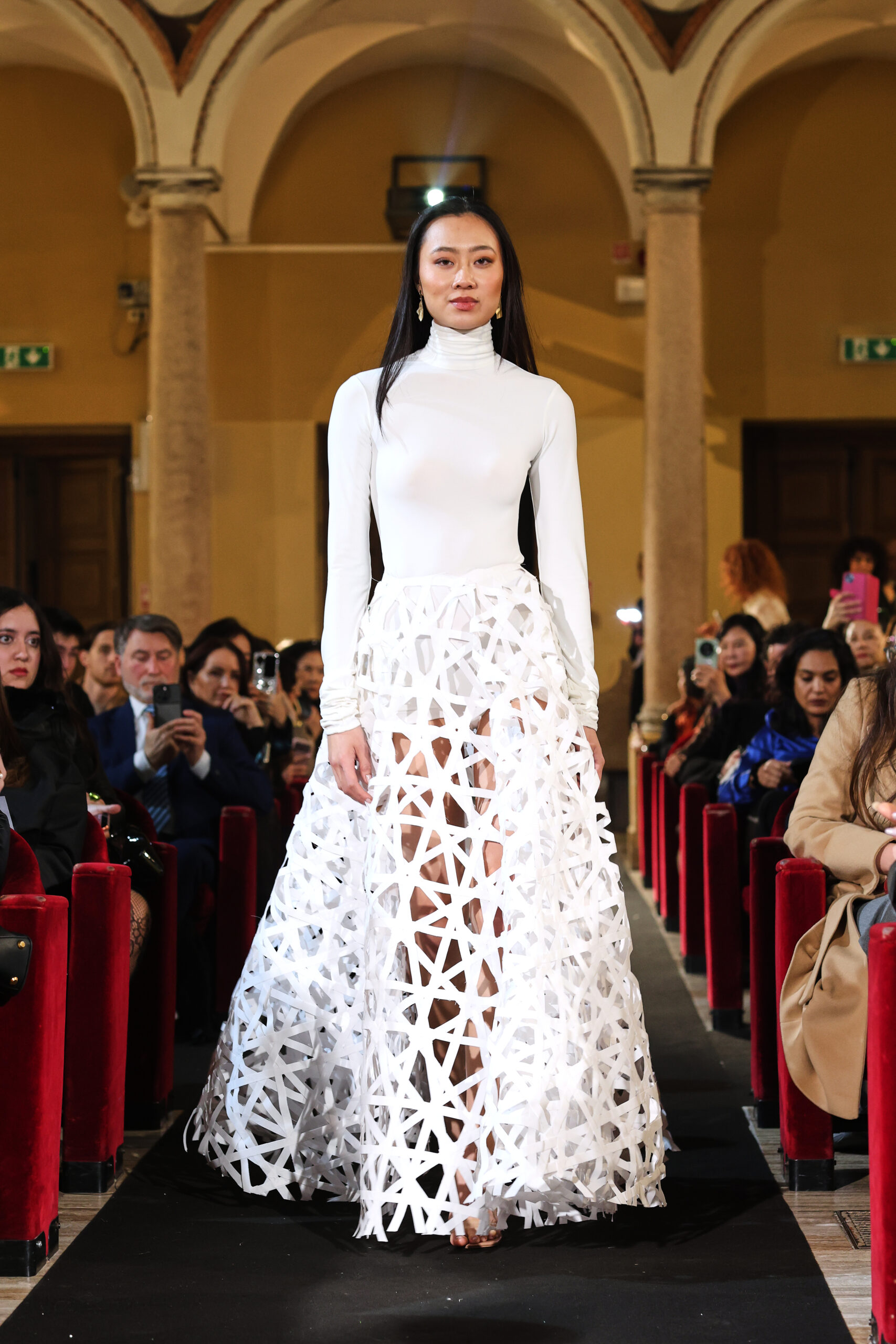
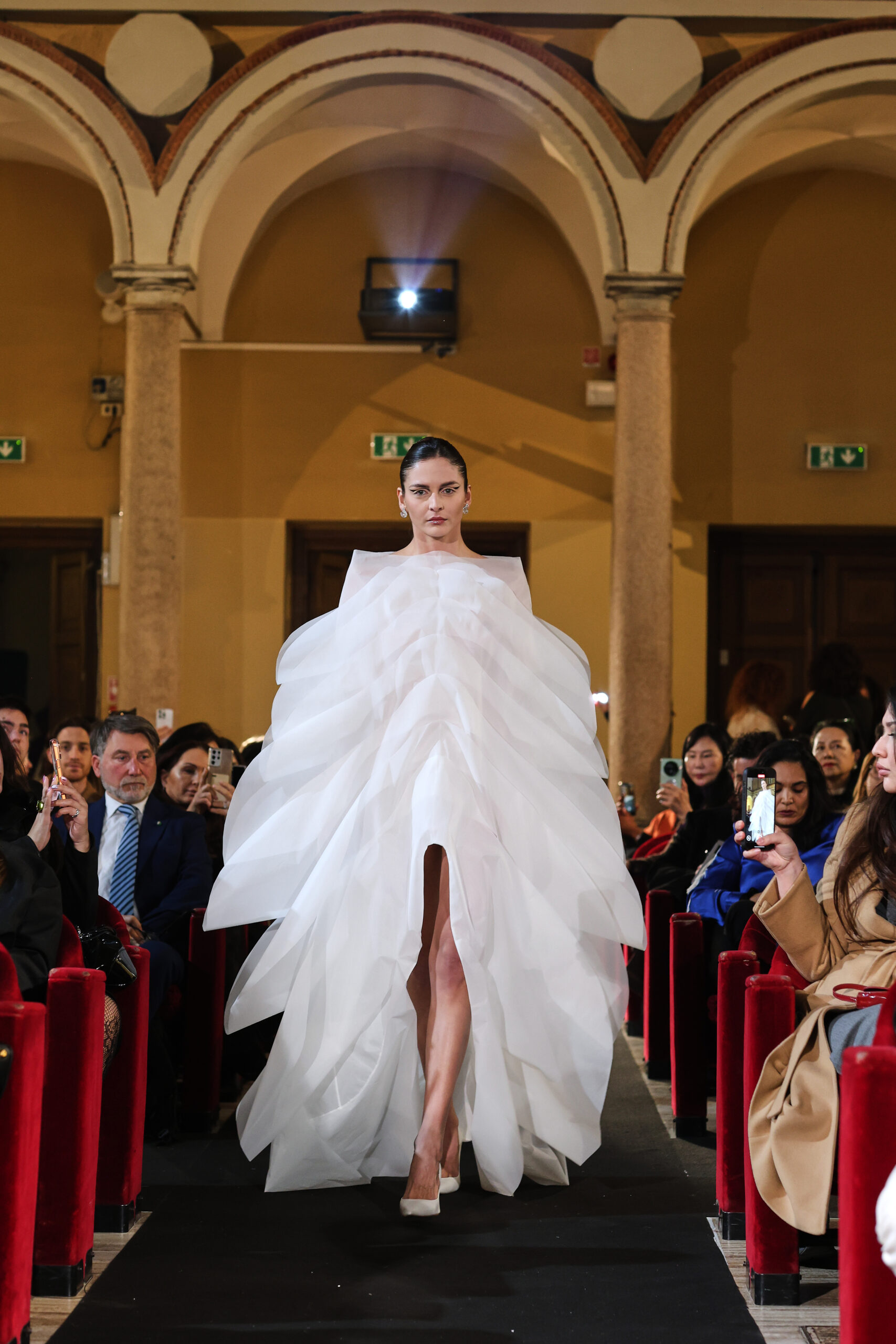
The second act opened with one of the most conceptually ambitious presentations of the evening. IRA LANGEVIN unveiled ORIGAMI: 14 FORTUNES — a capsule collection of architectural white gowns inspired by Japanese origami traditions and ancient legends of fortune. At the heart of the brand’s philosophy lies a belief that garments are not merely elements of a wardrobe, but visual expressions of a woman’s inner narrative — and every look on the runway confirmed this. A sculptural gown with a geometric lattice skirt, as if cut from paper; a voluminous ball gown with layered pleated tiers resembling folded paper fans; a structured corseted dress with sharp geometric folds; and a final — monumental — white sculptural gown with sweeping layered volumes, to which the designer herself walked out onto the runway. The room responded with a standing ovation. Crafted from ecological cotton treated to resemble paper, the collection transformed folded fabric into a symbolic language of destiny and feminine consciousness.
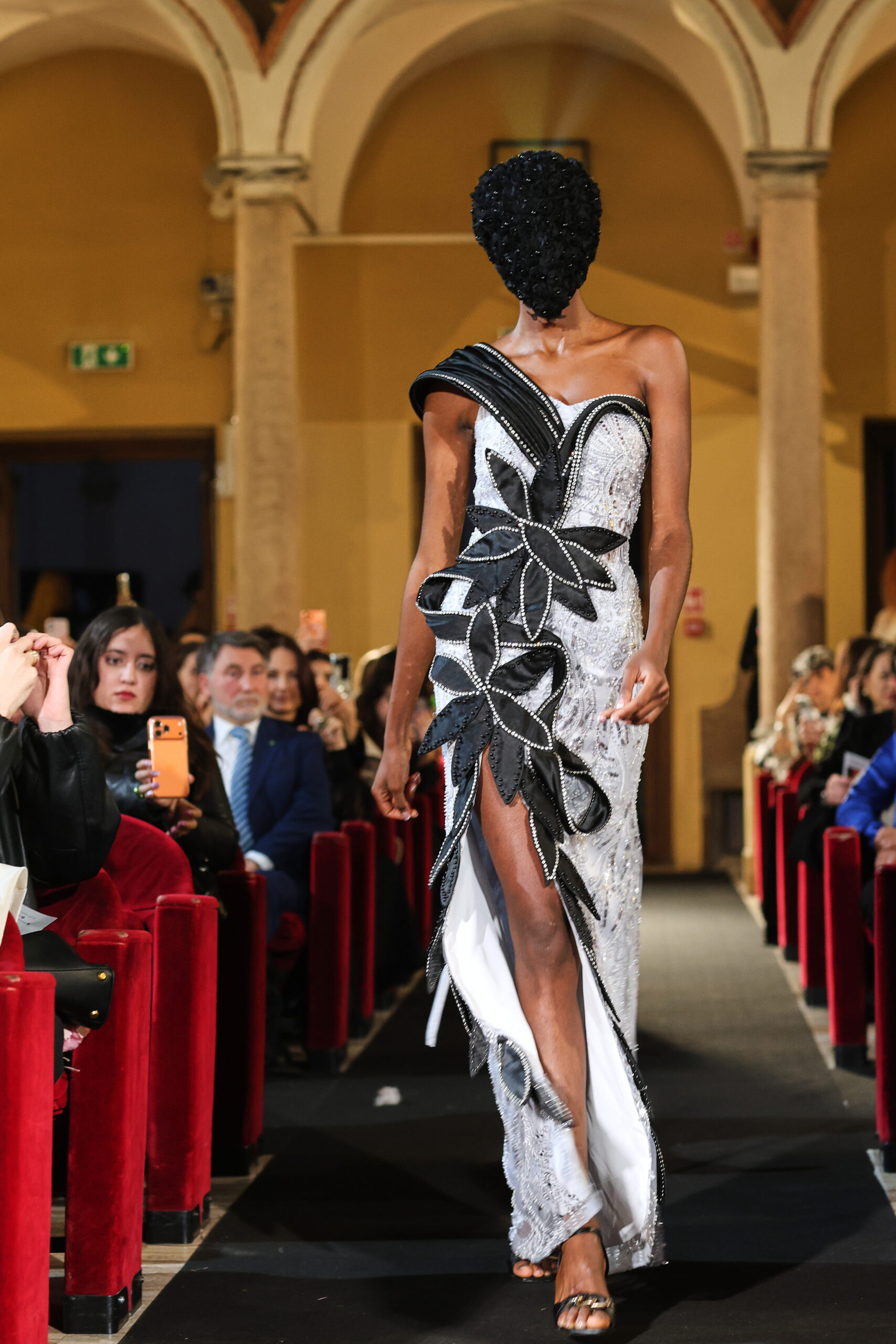
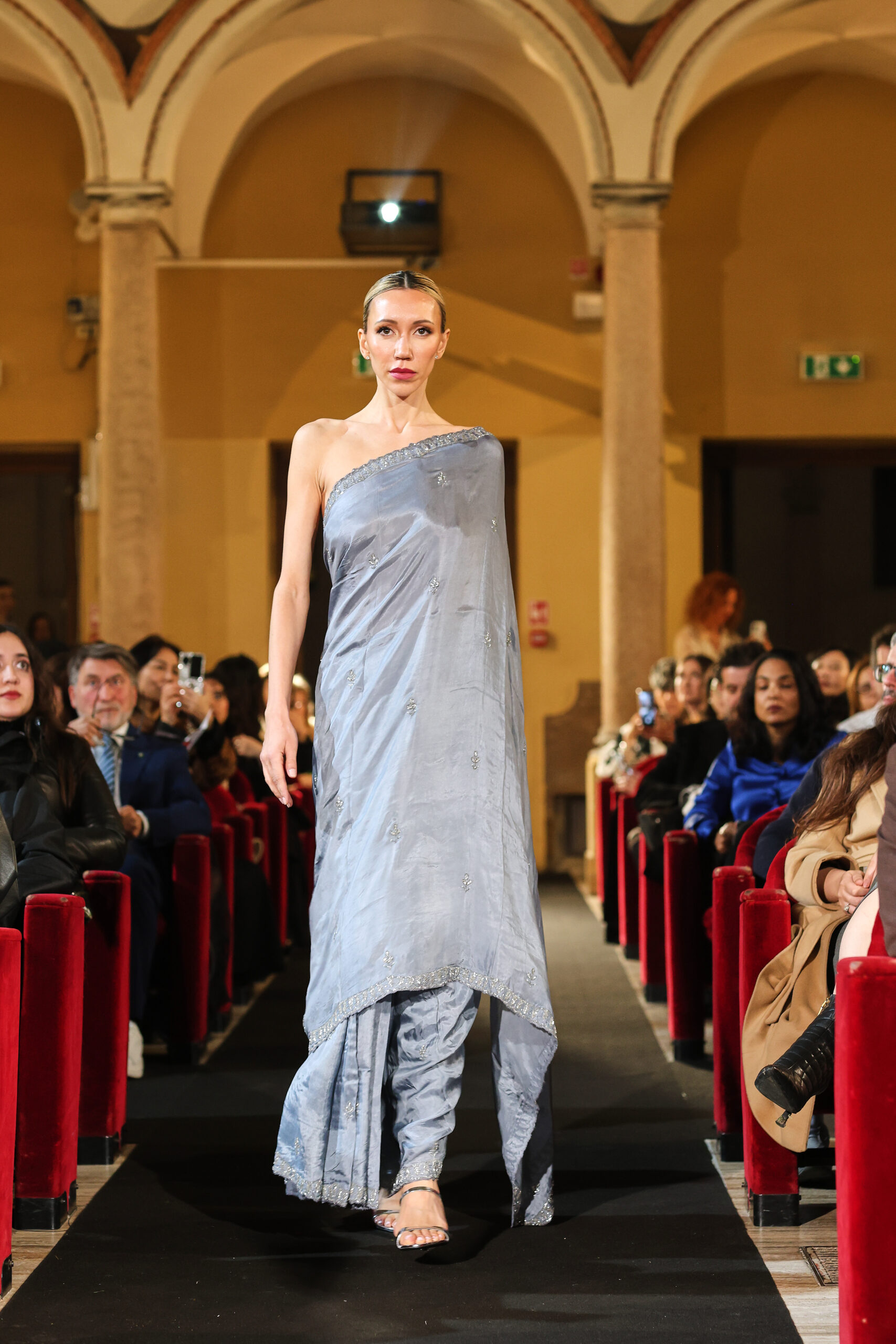
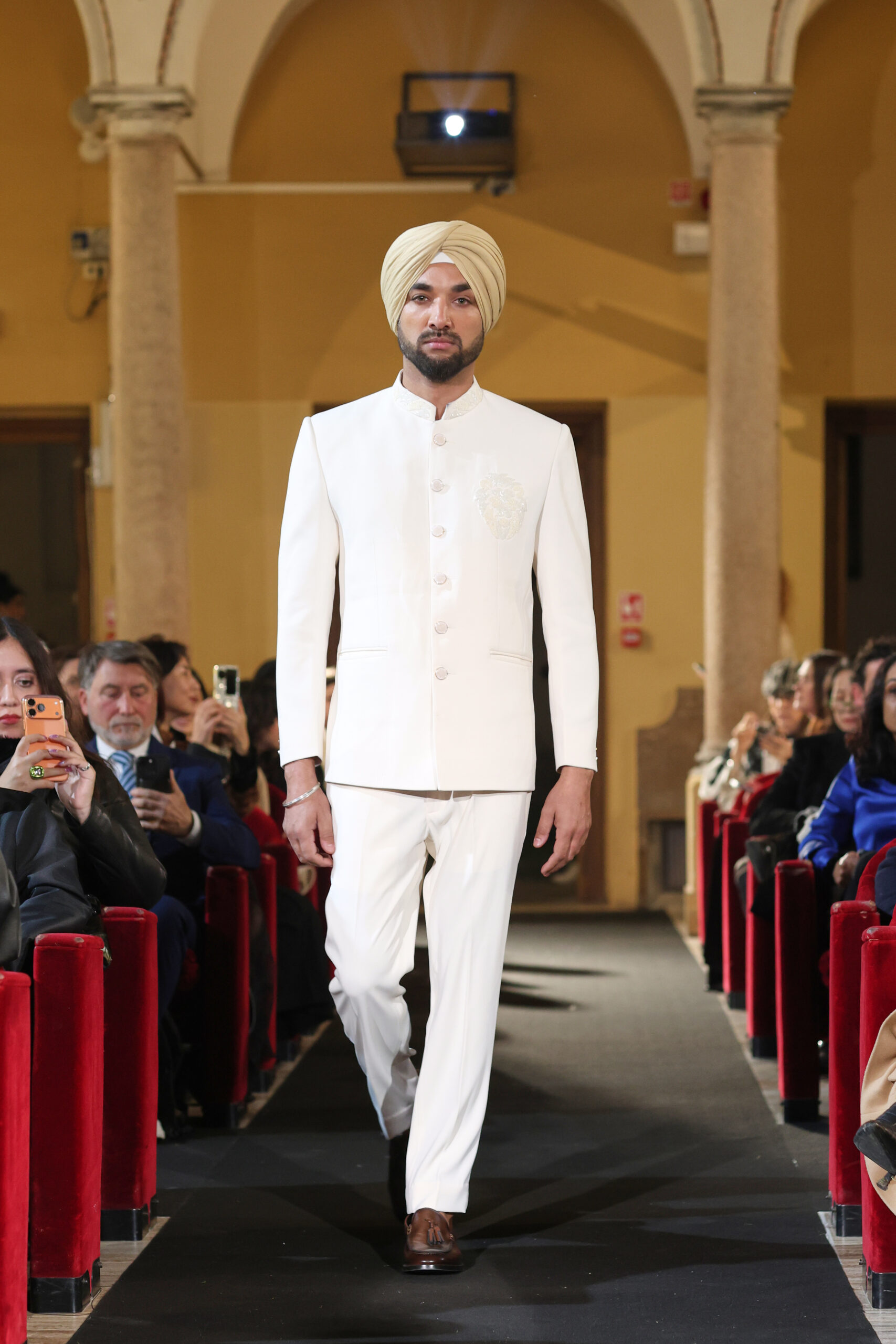
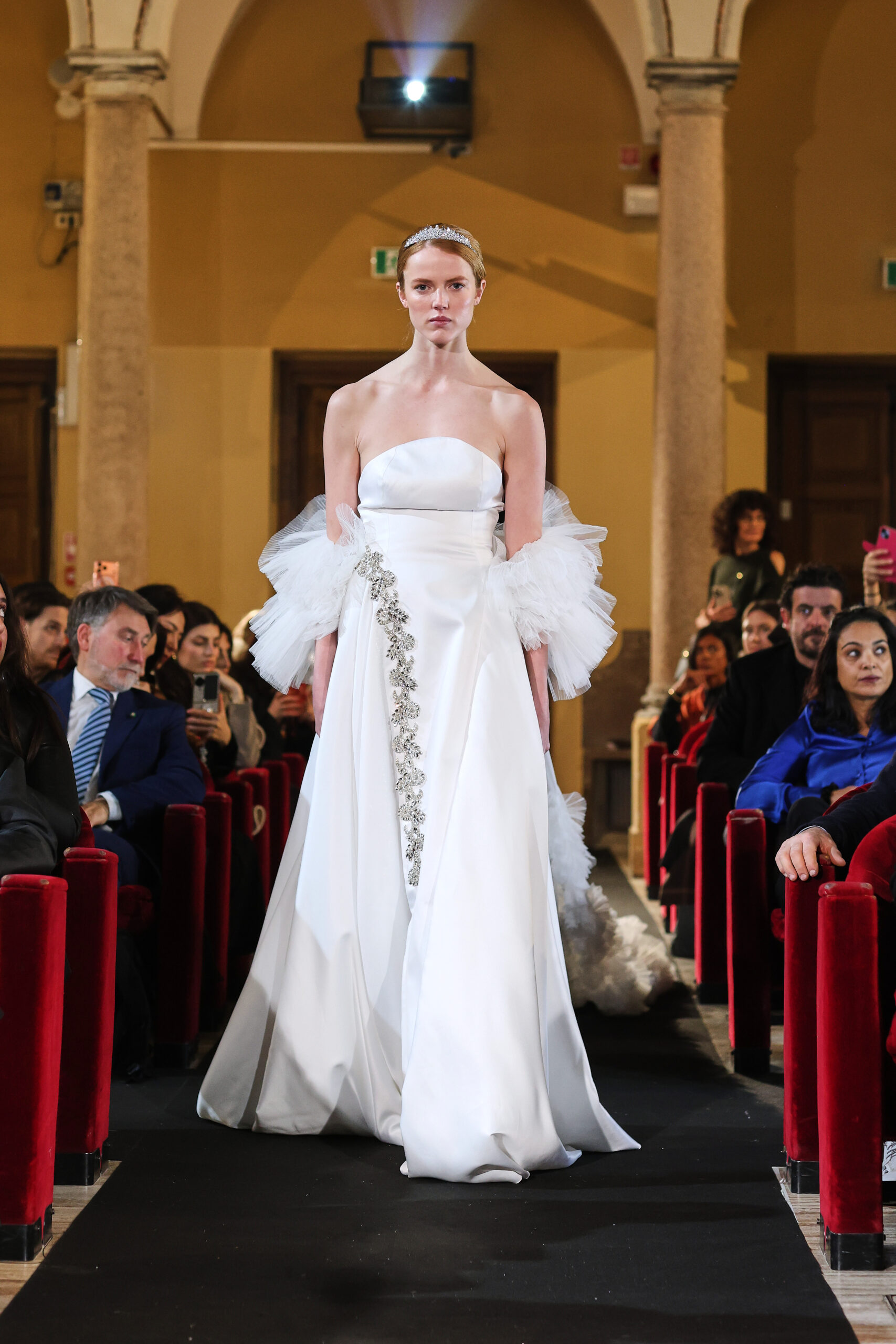
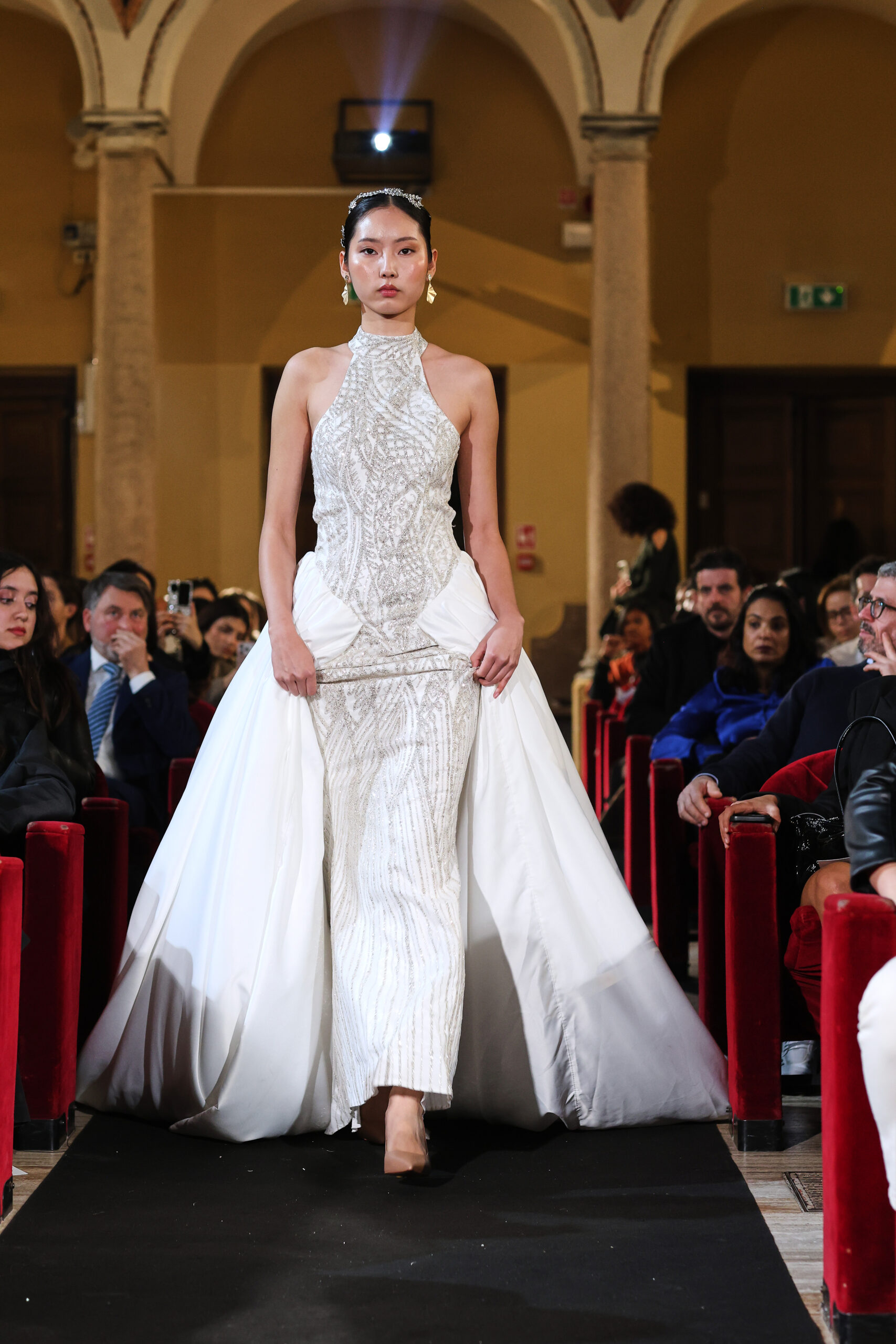
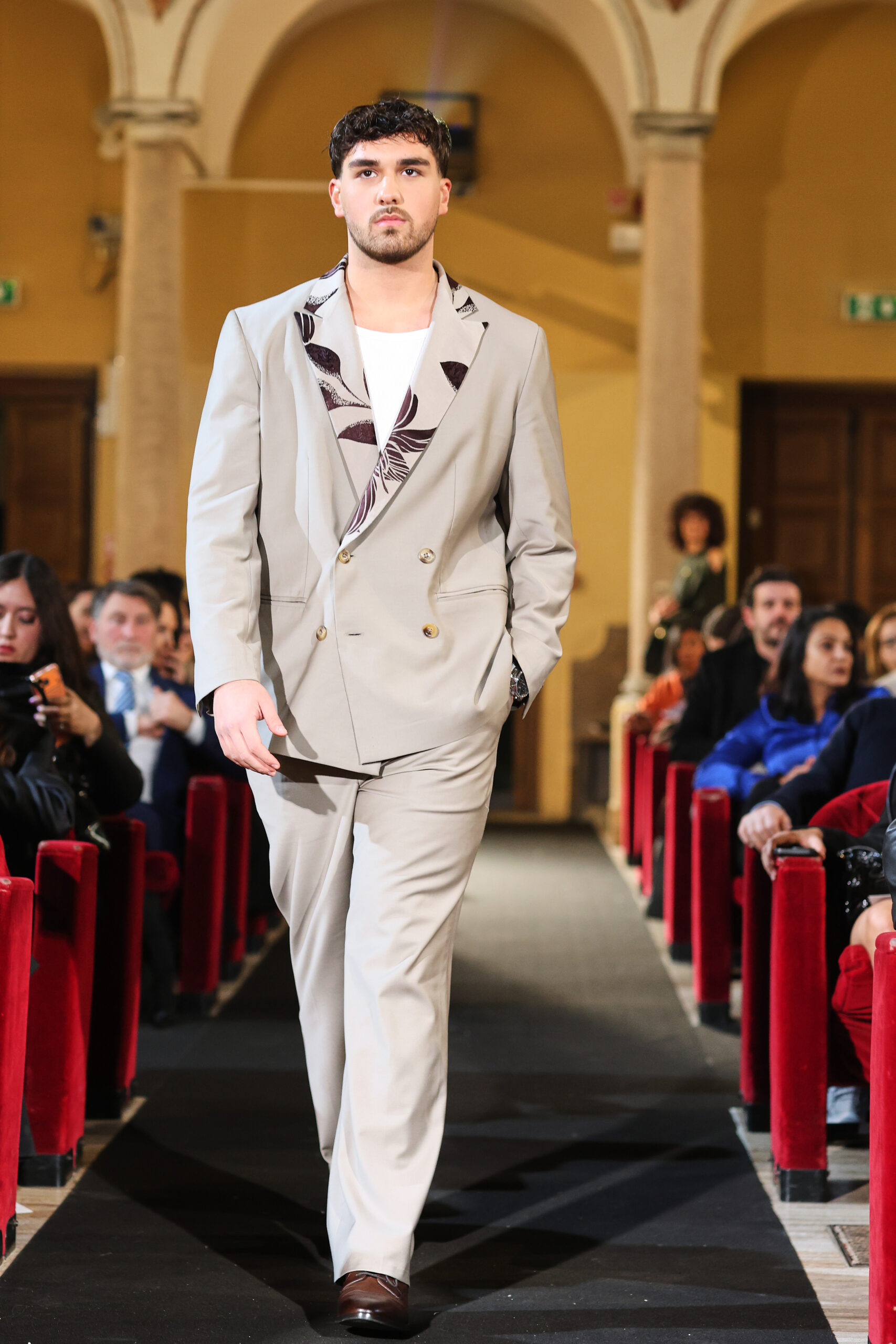
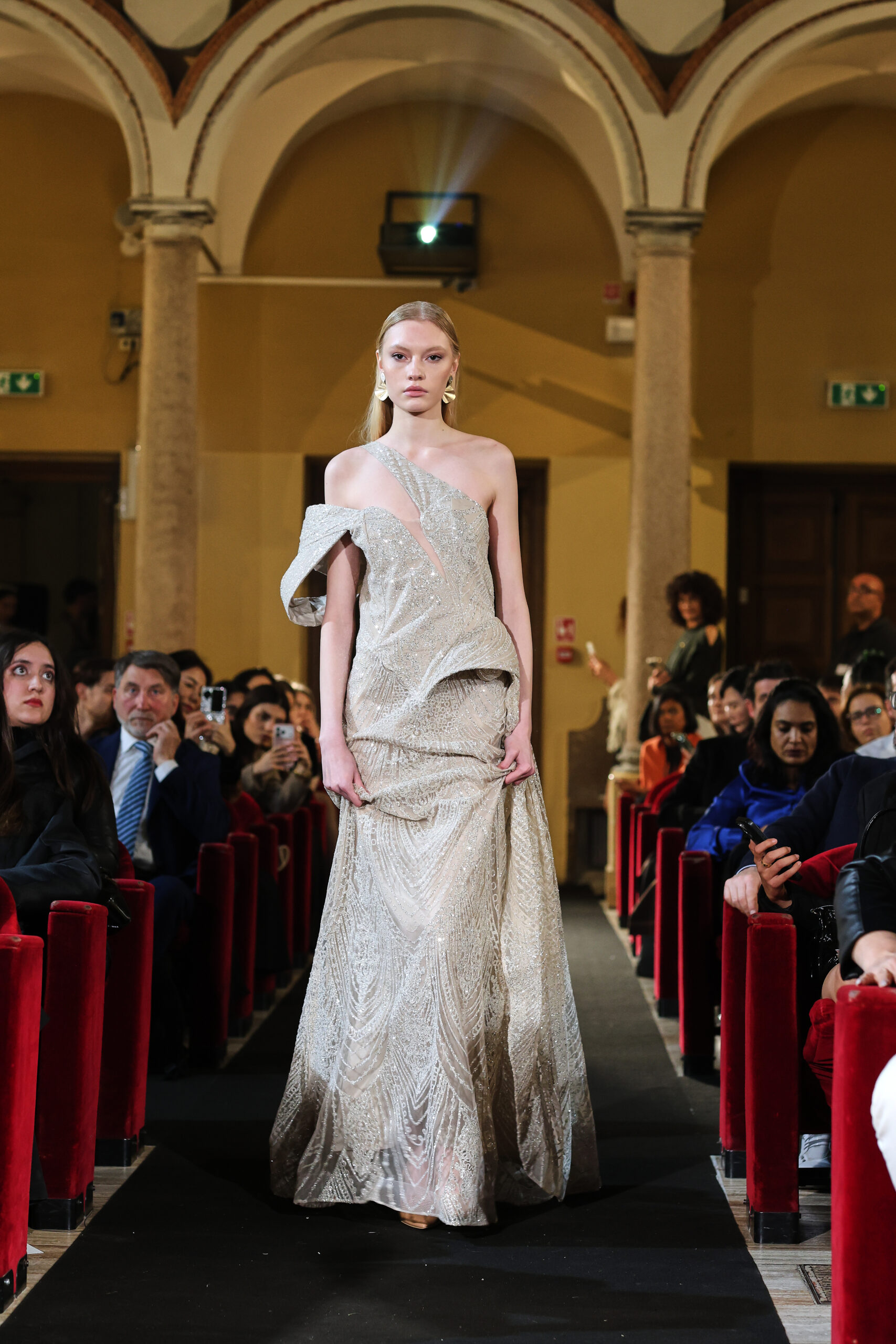
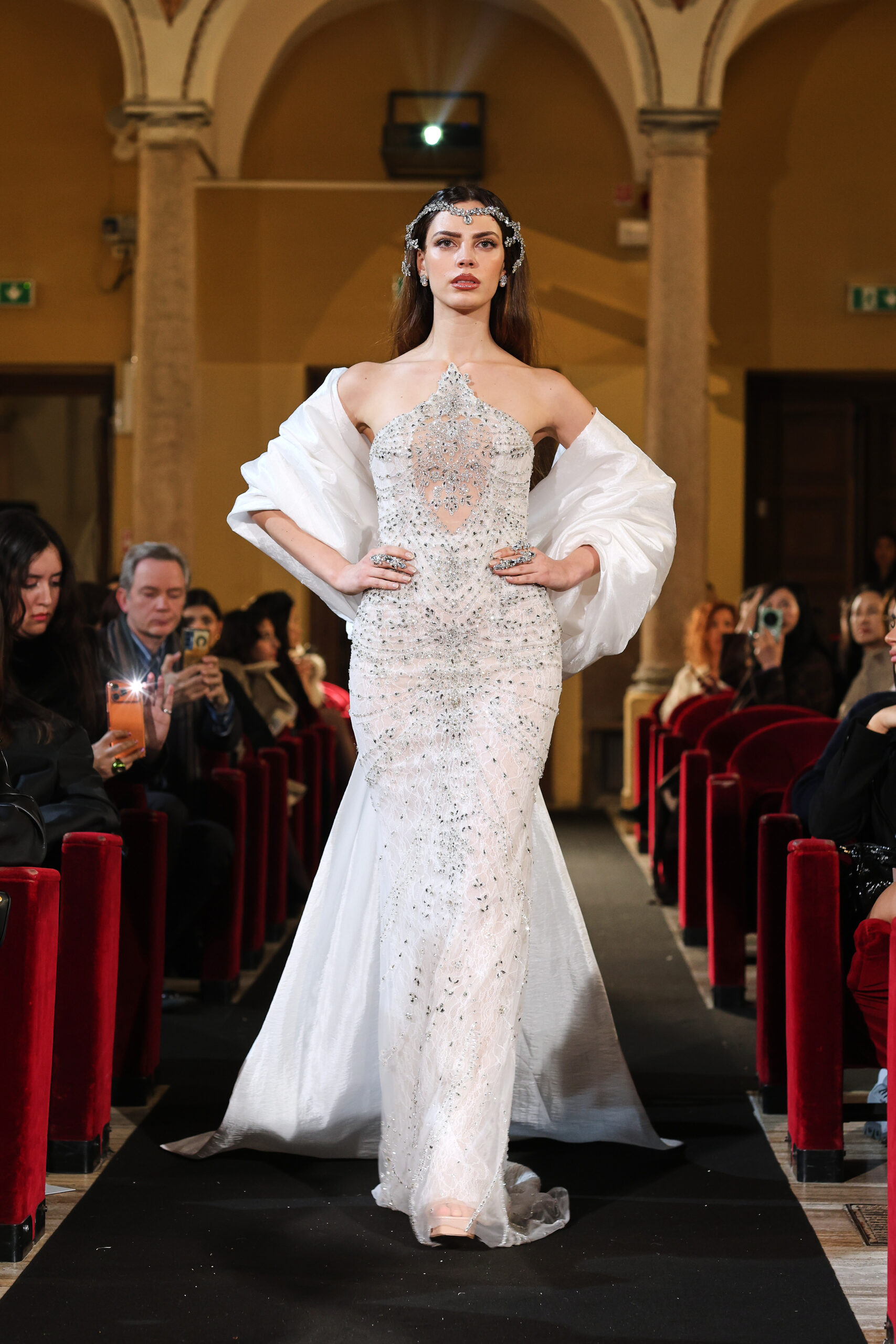
GUARDAZEL followed with an ethereal couture collection built on lightness, refinement, and a deeply feminine sensibility. The lineup opened with a silver-gold one-shoulder gown featuring shimmering embroidery and asymmetrical draping — an evening look that balanced power with poetry. The bridal looks impressed with their variety of approach: a strapless gown with crystal embroidery running along the slit and voluminous tulle cuff sleeves; a fitted halter-neck dress covered entirely in silver lattice embroidery, paired with a dramatic satin overskirt; and an impeccable A-line gown with a tiara. A menswear look — a relaxed sand-toned suit with a floral-print collar lining — added contemporary breadth to the collection. Sheer fabrics with delicate shimmer, satin volumes, and a soft palette created garments that felt simultaneously weightless and expressive — fashion as poetry in motion.
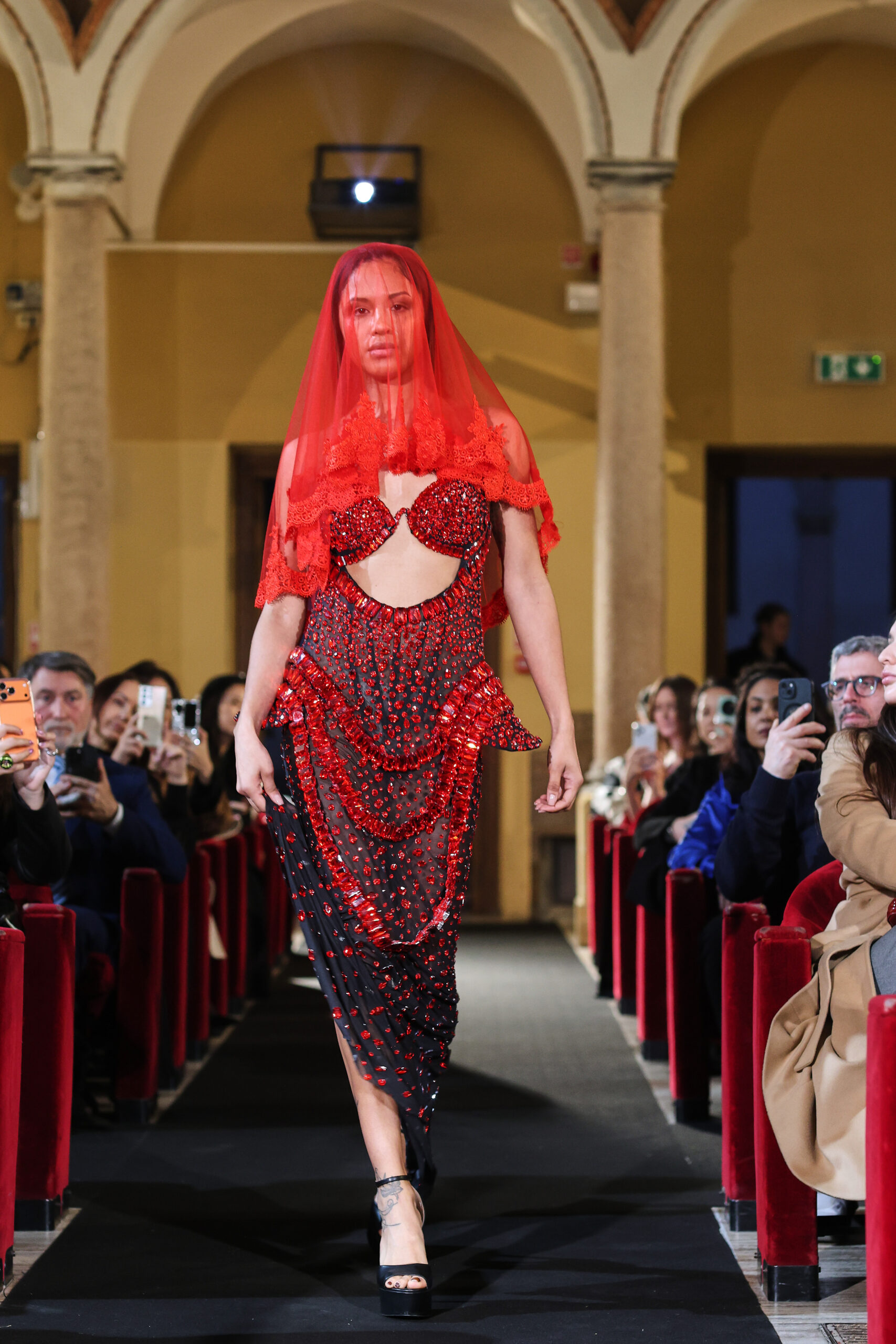
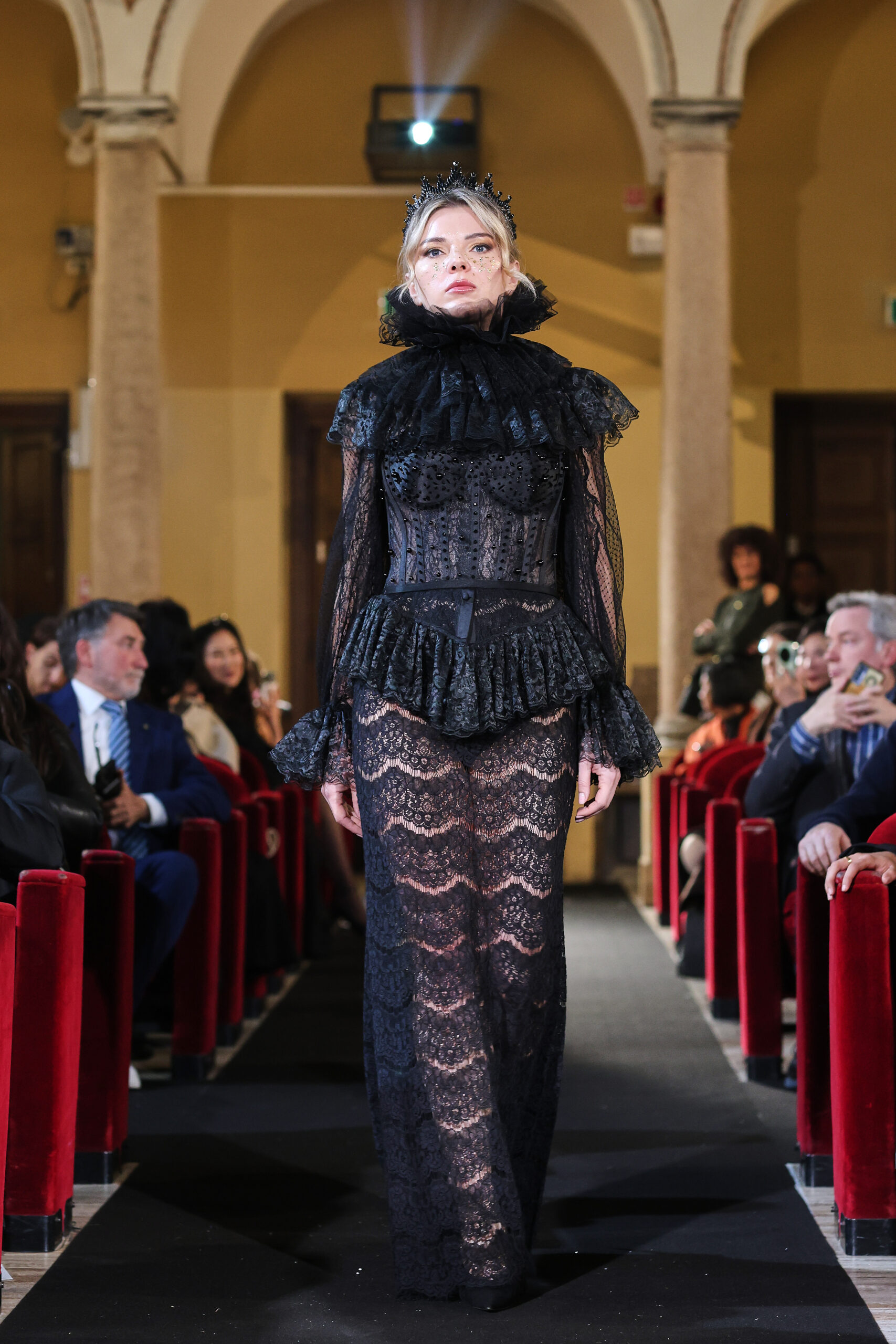
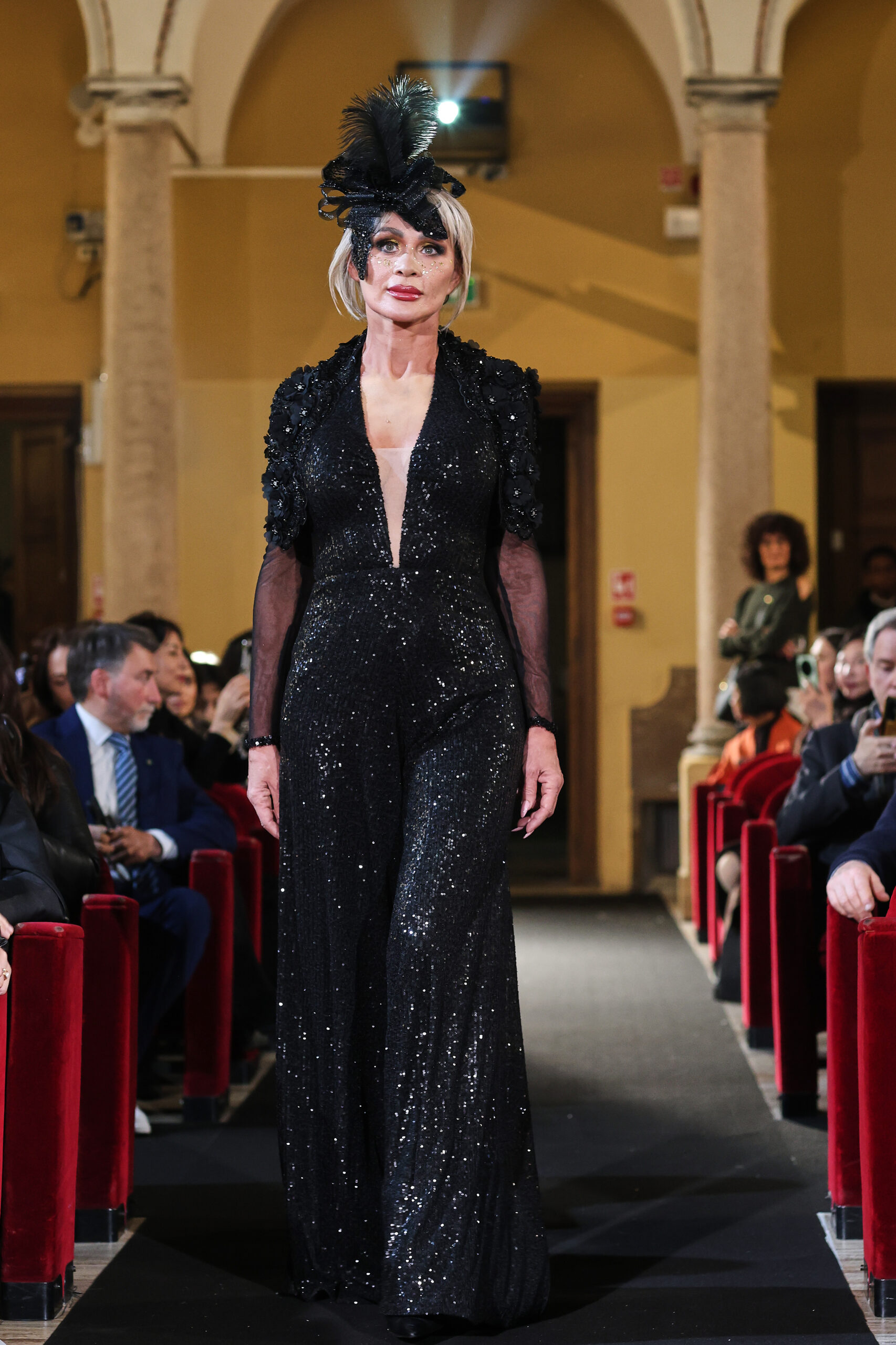
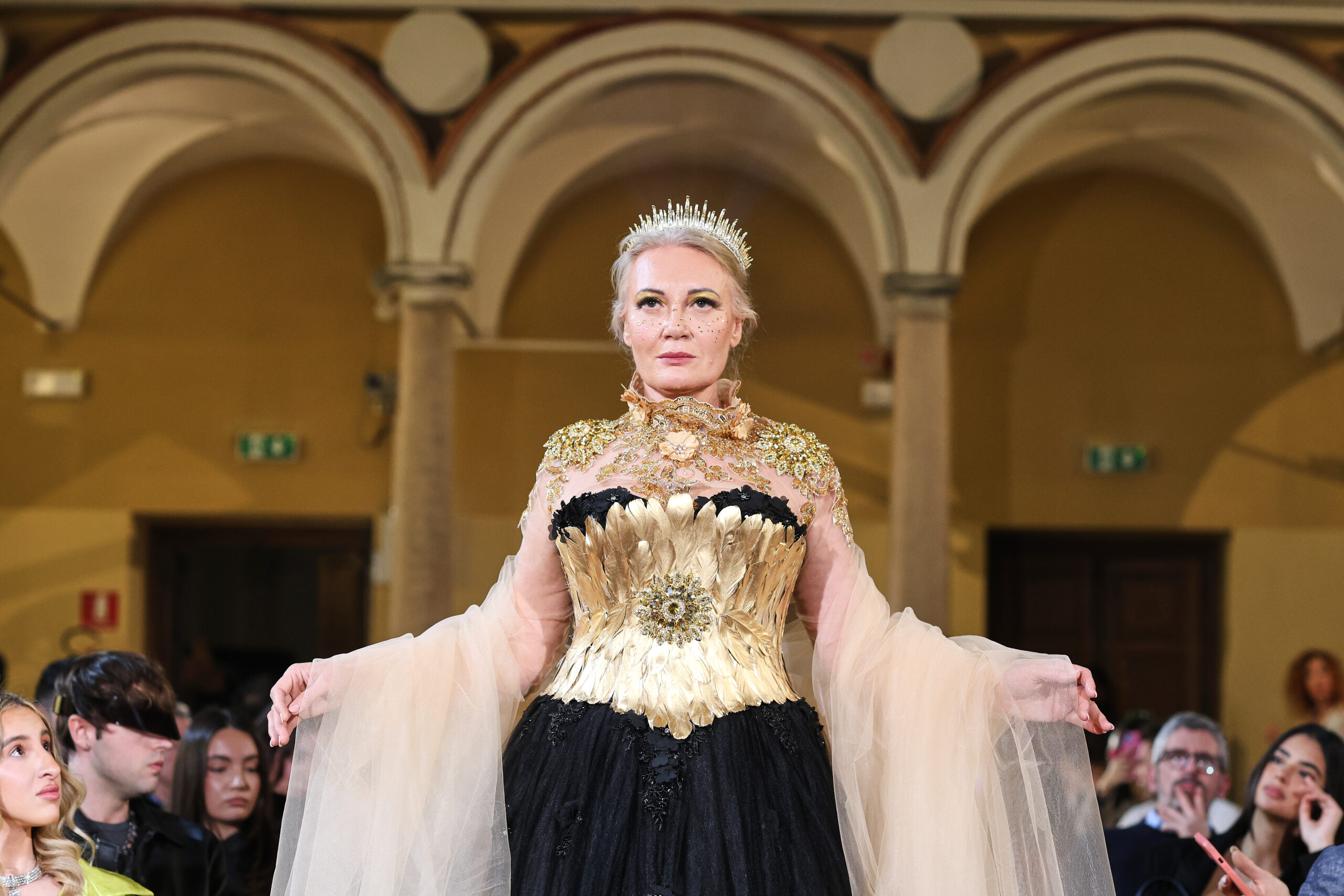
Atelier Ancheita Italy presented Eternal Collection — a couture tribute to the beauty, confidence, and refinement of the mature woman. Designed by Italian-Mexican designer Milagros Ancheita, the collection blended Mexican cultural heritage with the excellence of Italian haute couture, dedicating each look to women in the fullness of their strength and beauty. A black lace gown with a Victorian ruffled collar and dark crown conveyed a mystical elegance; a black sequined jumpsuit with a deep plunging neckline, sheer sleeves, and a feathered fascinator radiated contemporary confidence; and the final look stopped the room: a gold corset constructed from natural feathers with crystal embroidery, a voluminous black skirt, and a sheer draped cape — paired with a tiara.
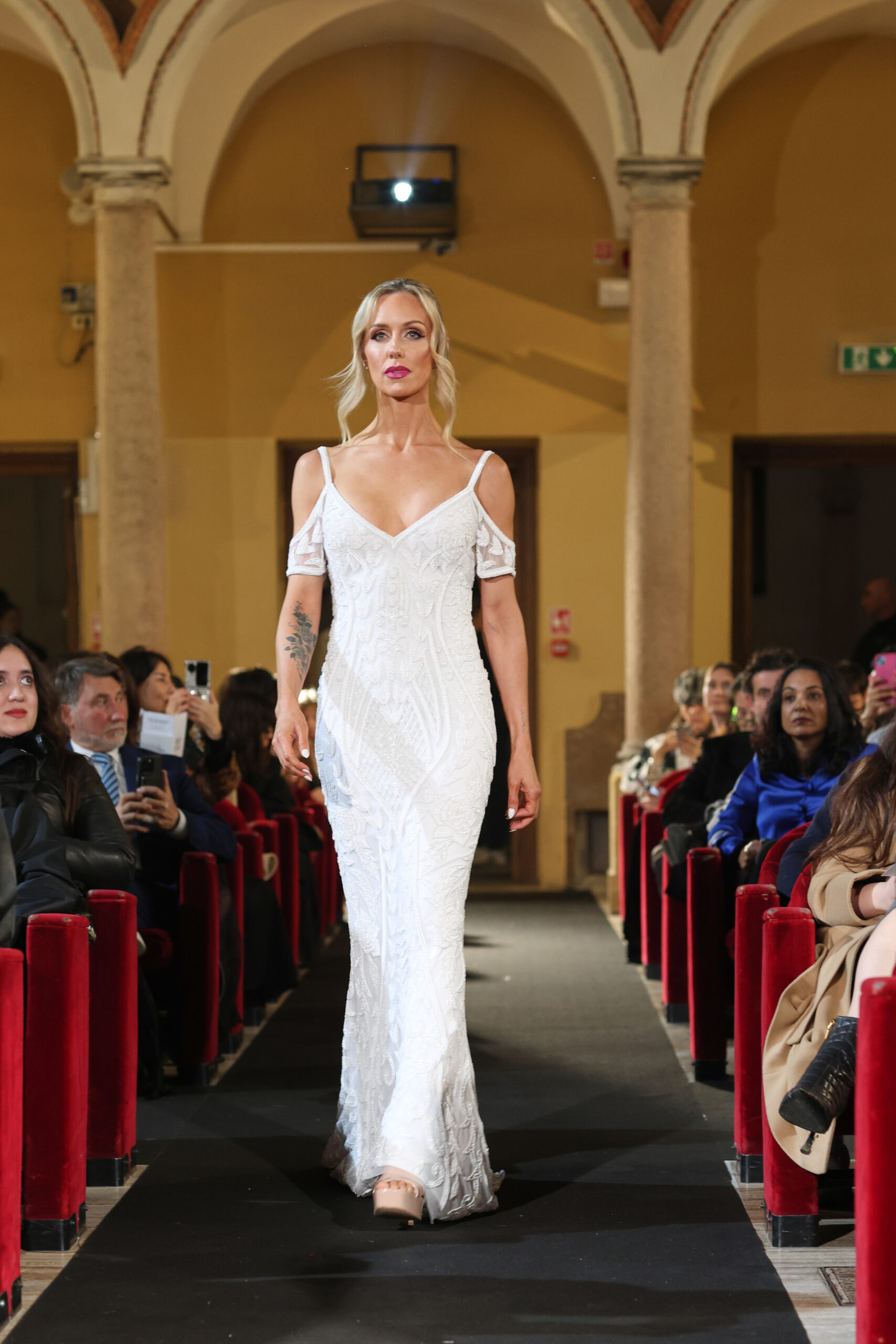
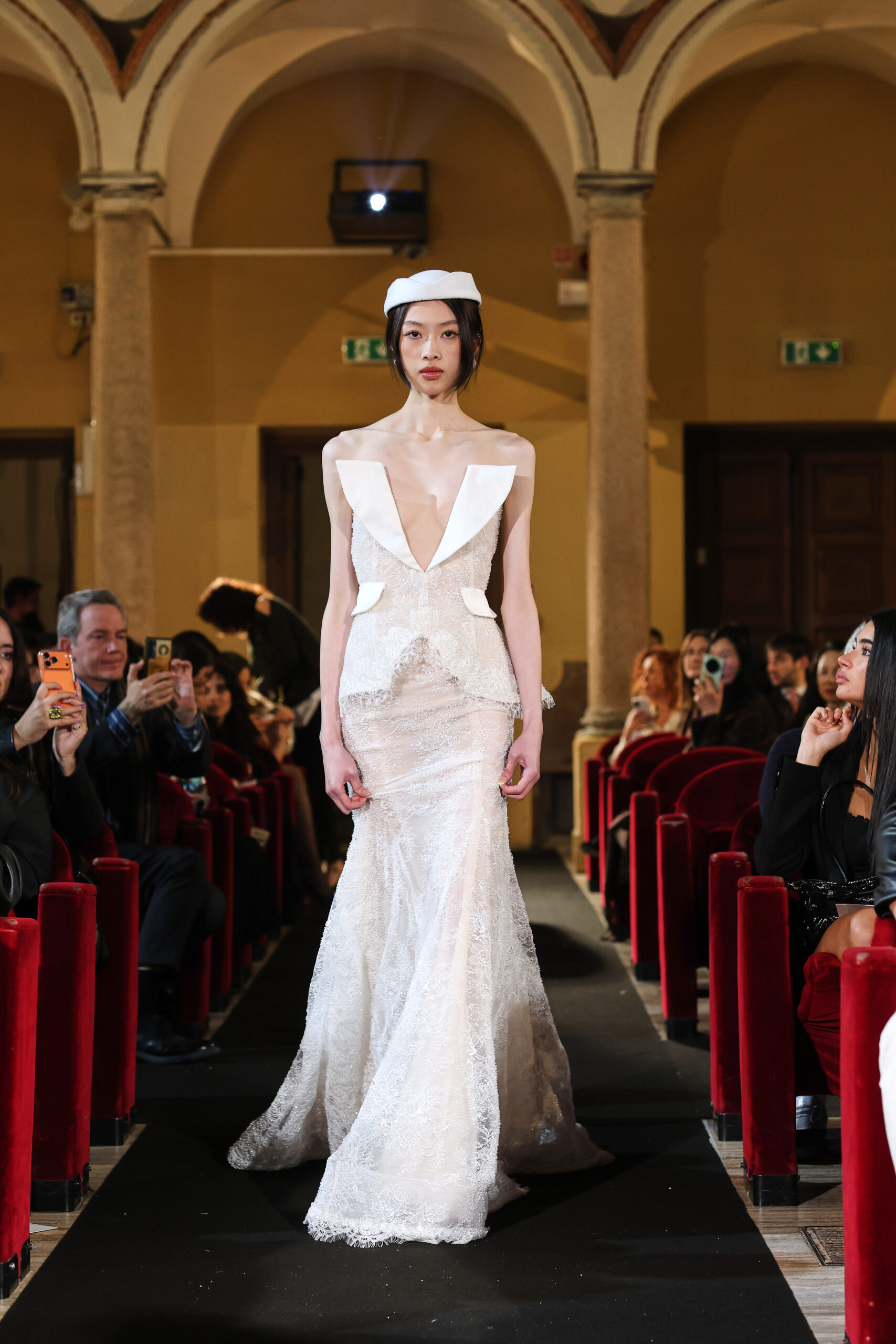
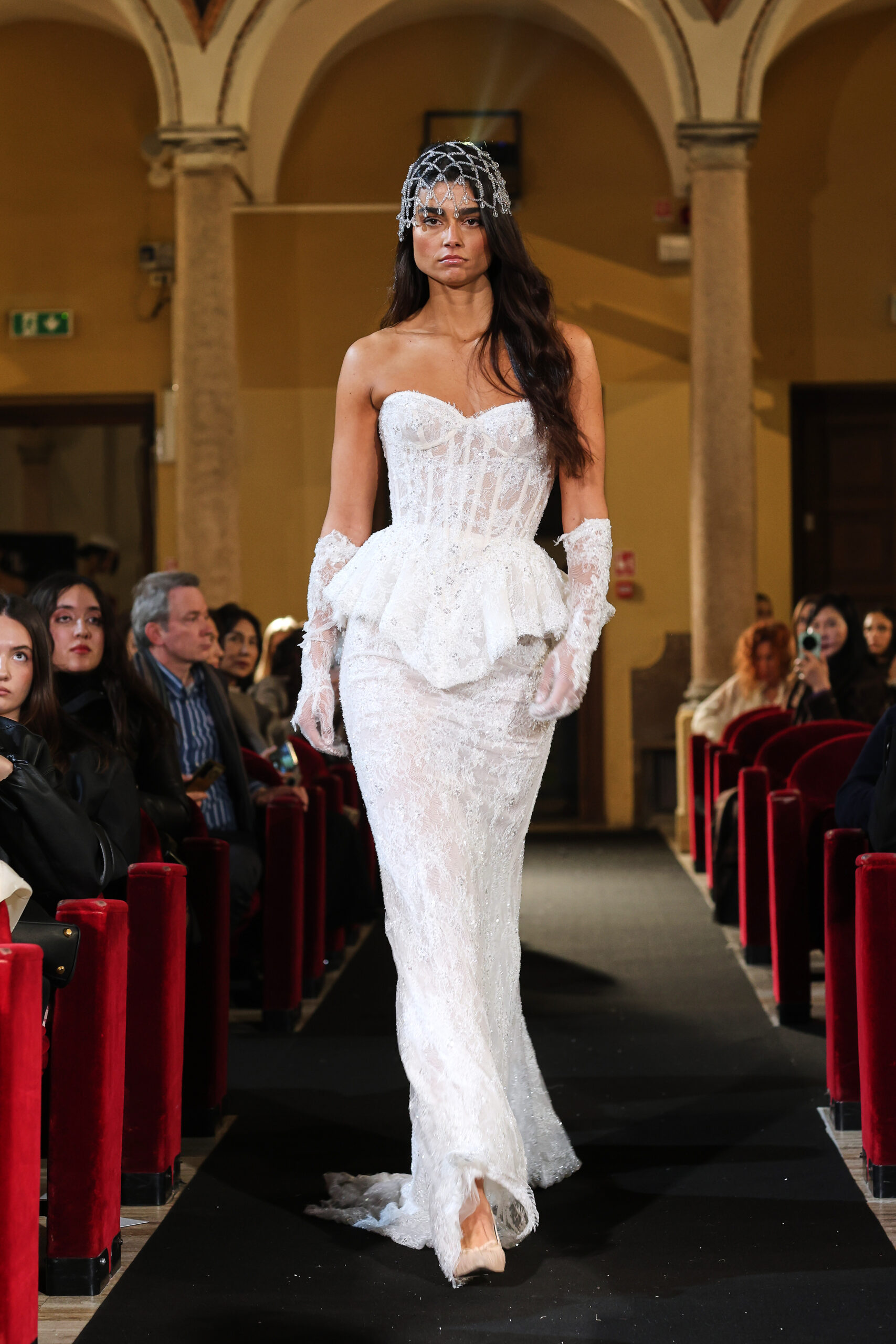
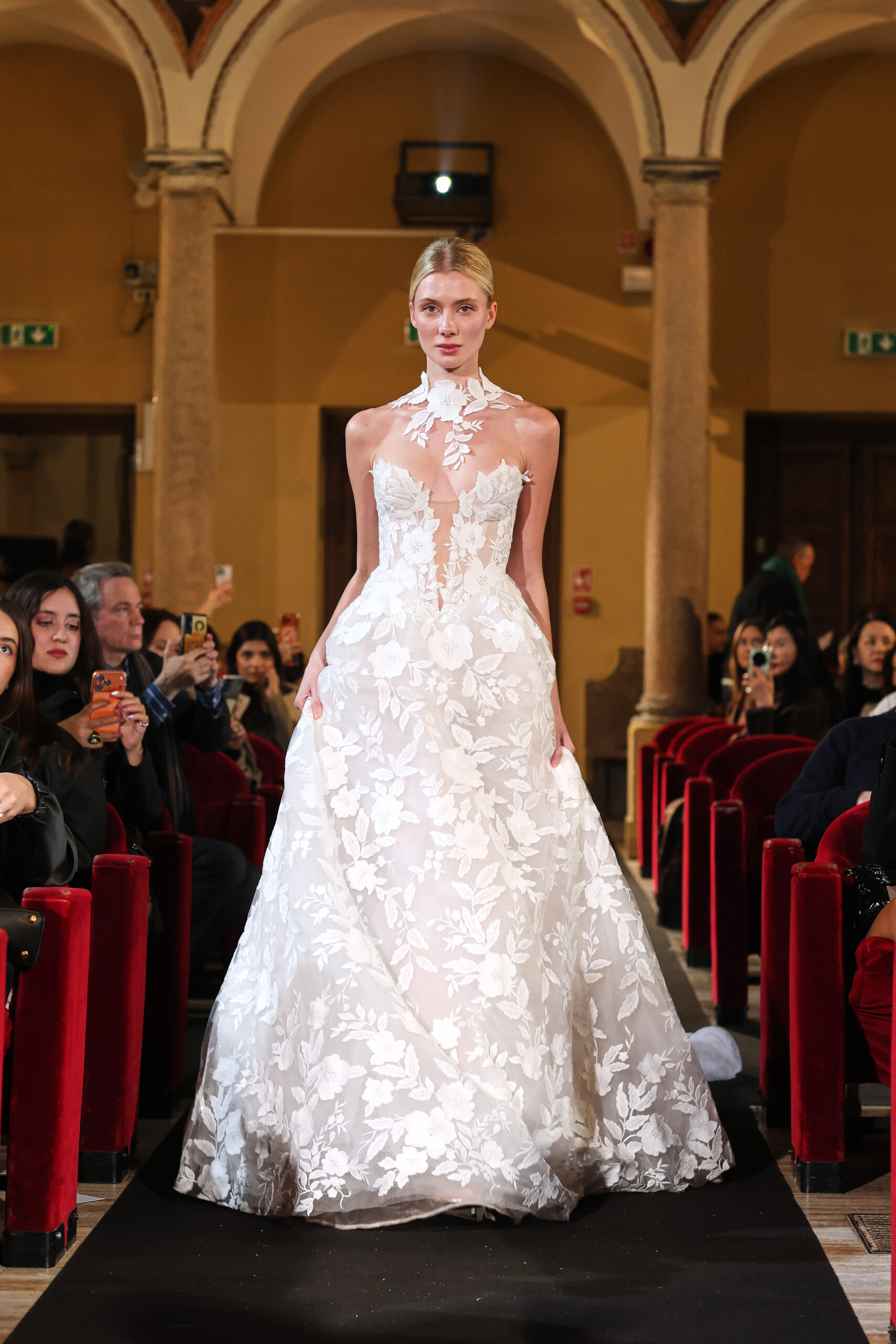
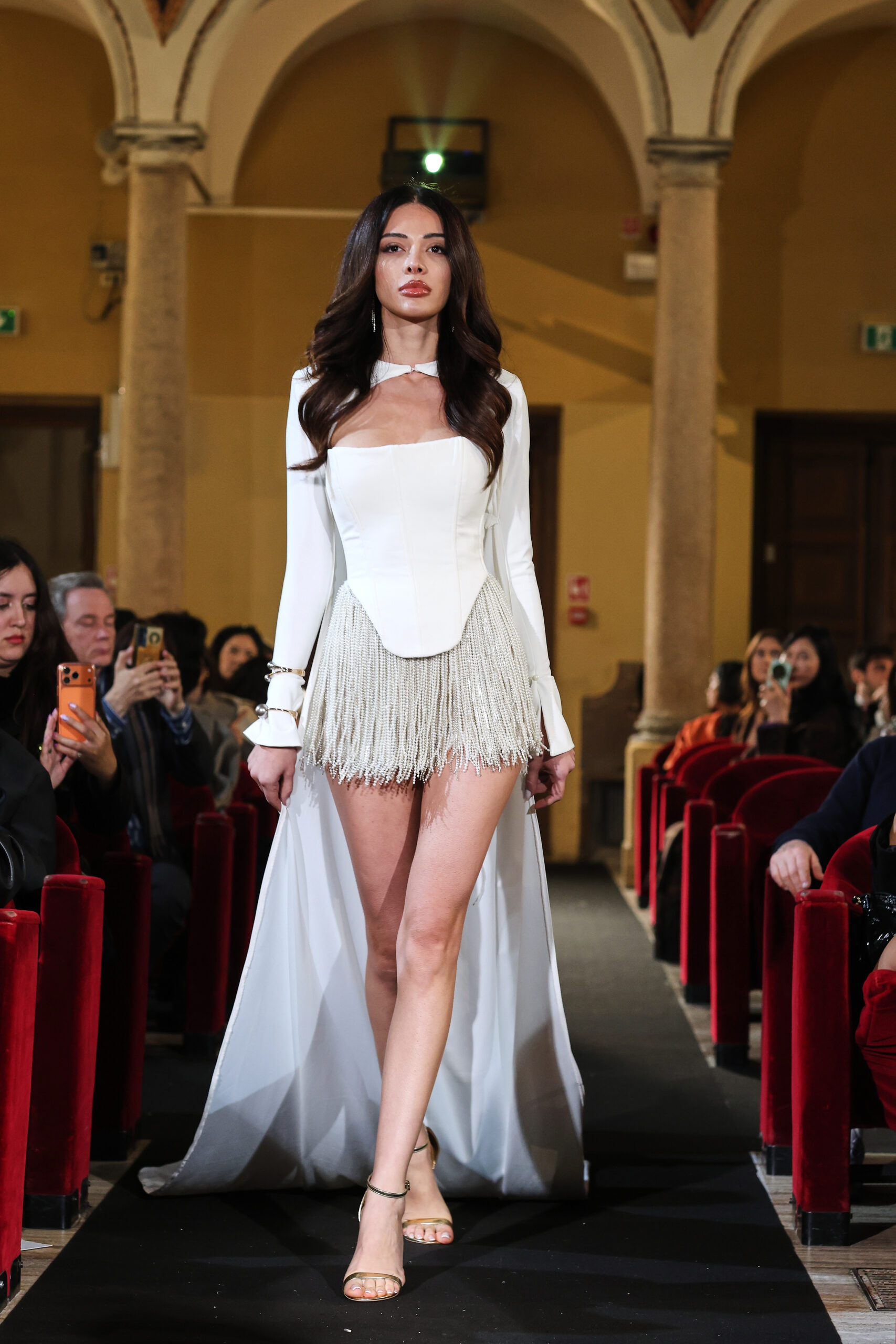
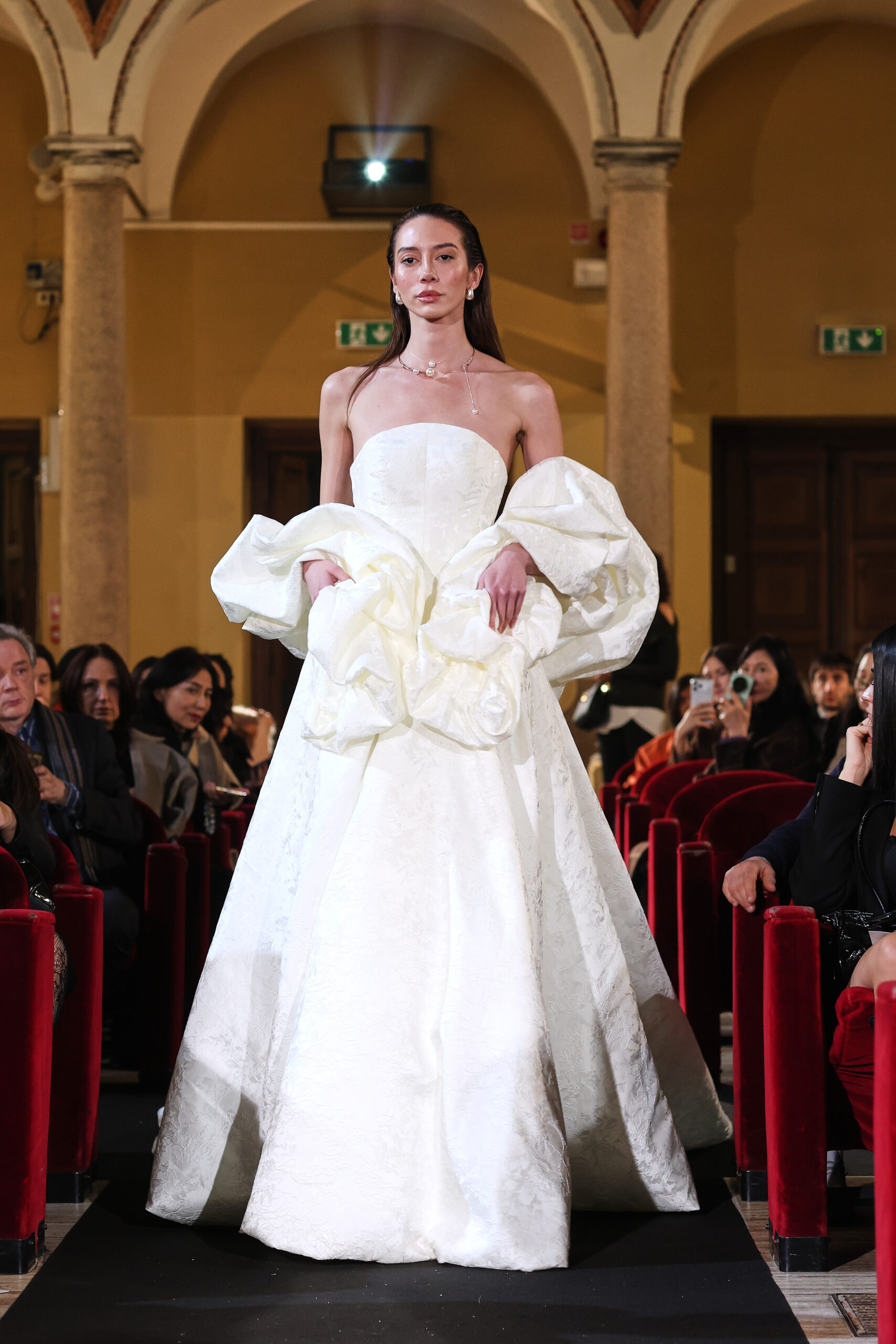
The evening reached its grand finale with Moran Tubul Couture and Queen of Brides — a sculptural bridal couture collection of powerful emotional resonance. Known as the Queen of Brides, Moran Tubul closed the show with a lineup where every look was impeccably considered: a structured white corset with long sleeves and a pearl fringe micro-skirt with an satin train — a bride who both laughs and dances; a voluminous A-line gown covered in all-over floral lace with an illusion neckline collar; a fitted lace halter-neck dress with a crystal mesh headpiece and lace gloves; a voluminous brocade ball gown with an oversized sculptural flower at the bodice; and the closing look — a fitted gown with all-over crystal embroidery paired with a sweeping satin cape. Drawing inspiration from the symbolism of the lioness — strength, loyalty, courage, and inner fire — the collection was a fitting conclusion to an evening defined by female power in all its forms.
Beyond the Runway
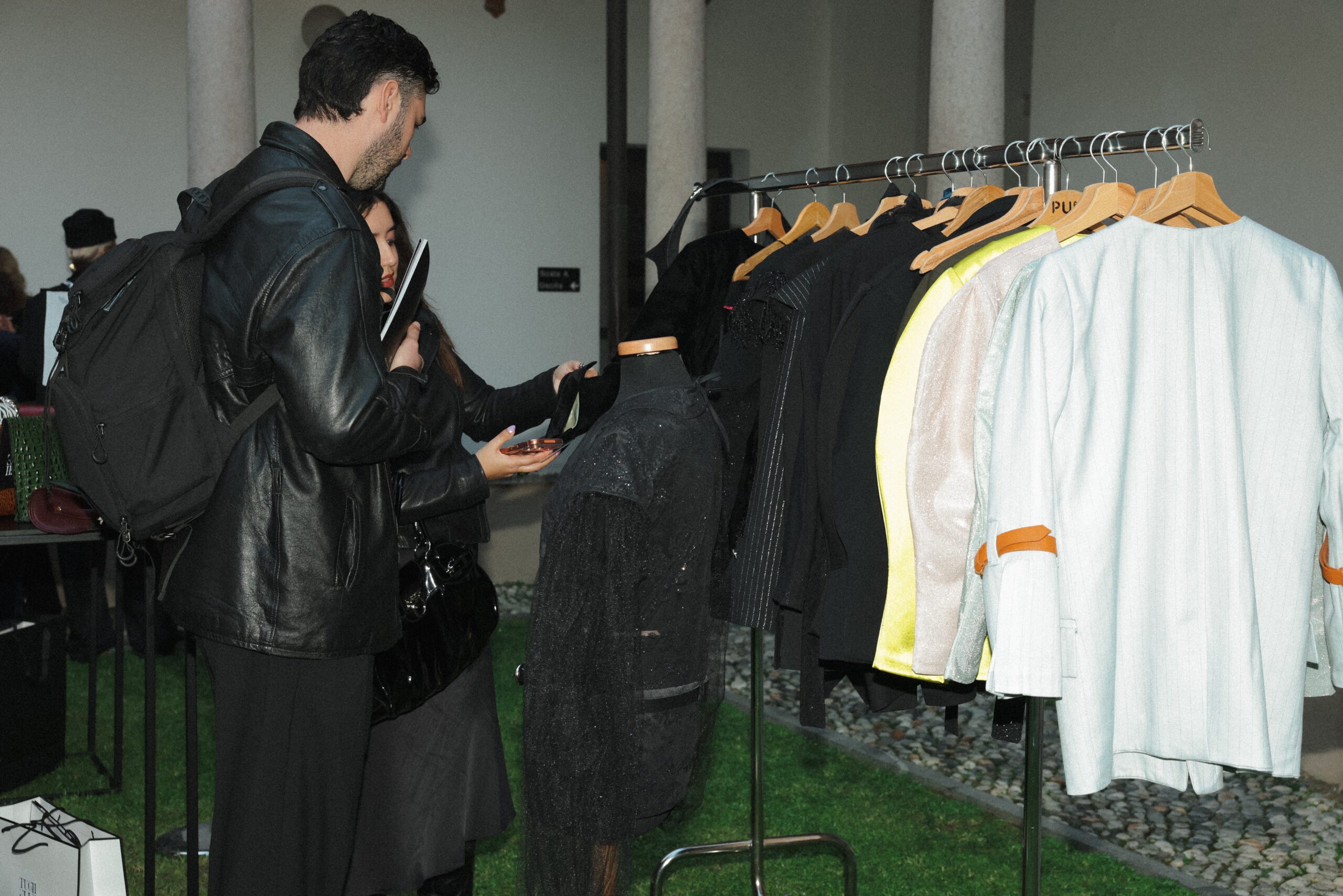
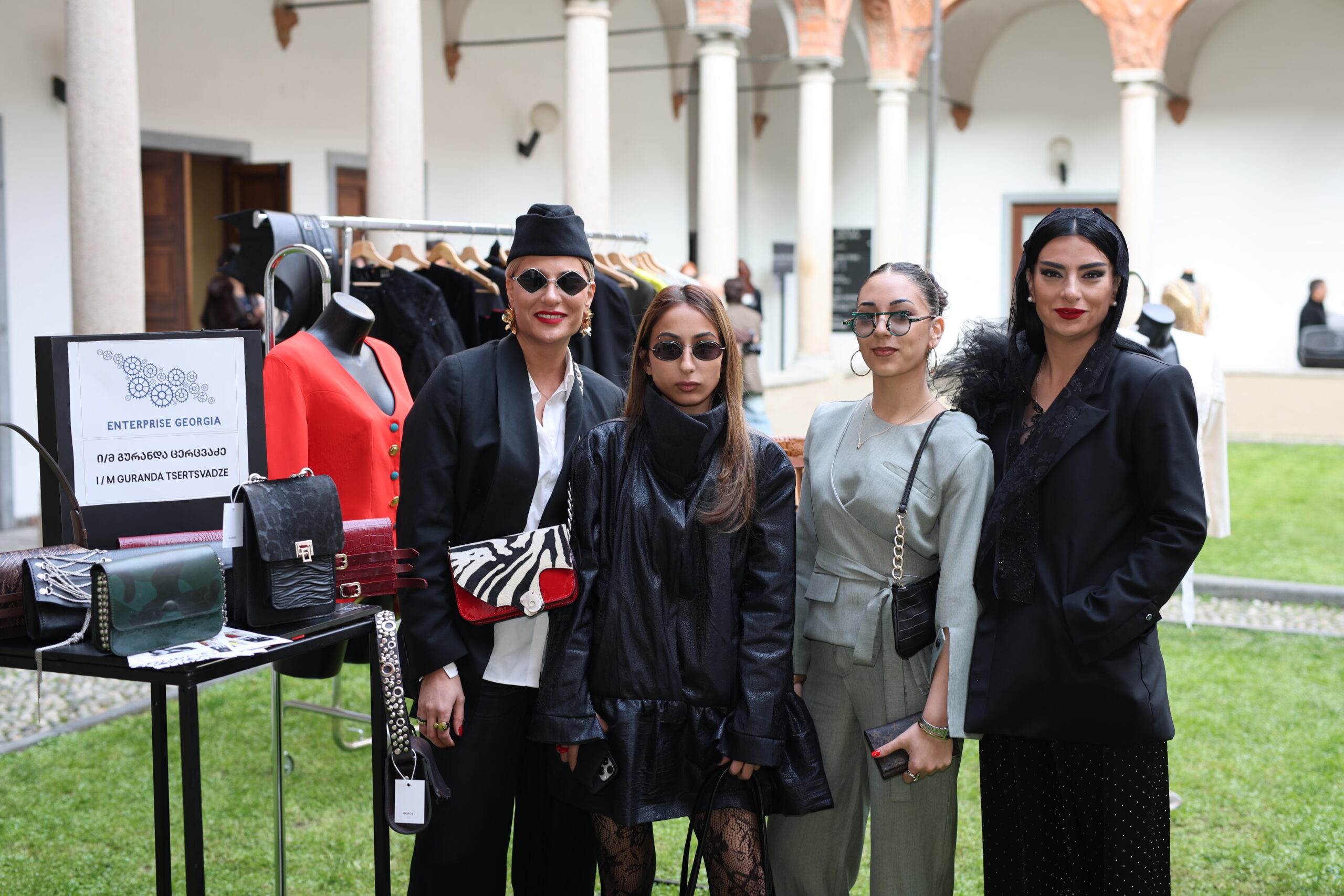
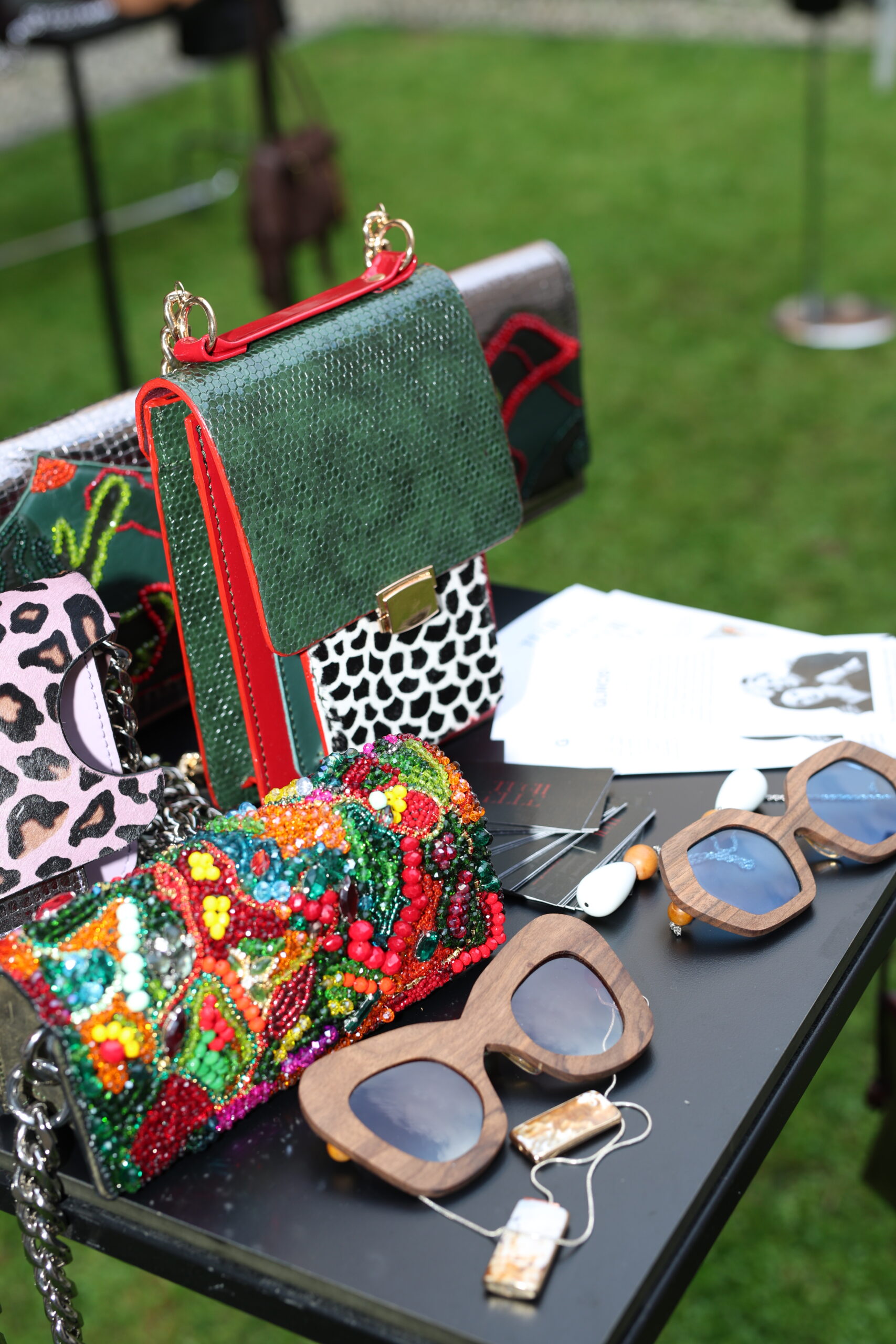
In the open-air courtyard of Centro Ambrosiano, GUROSI — the Georgian brand founded by sisters Guranda and Teona Tsertsvadze — hosted an exclusive showroom exhibition throughout the evening. Against a backdrop of historic arches, the brand presented a complete total look: handcrafted leather bags in a variety of forms and textures — from structured black to vivid bead-embroidered clutches; artisanal wooden sunglasses with distinctive walnut frames; and clothing with strong visual character. Each piece carried its own story — true to a brand that grew from a single sewing machine into an international voice for Georgian fashion.