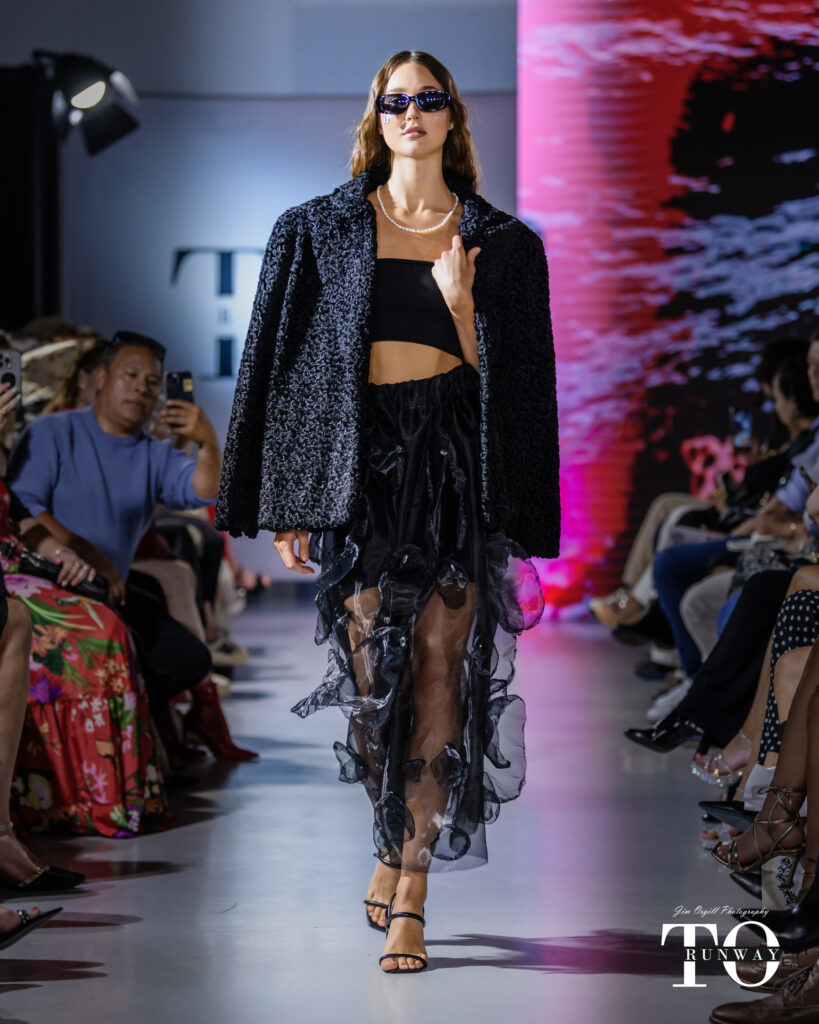


Bridgett Artise: On Circular Fashion, 20 Years of Impact, and What Comes Next
Designer, author, educator — Bridgett Artise on fashion that changes the world

Bridgett Artise
She has just returned from the UNIQUE Fashion Show, where she was among the honoured guests on a discussion panel. And it comes as no surprise — long before “sustainability” became a buzzword in the fashion industry, Bridgett Artise was already giving new life to vintage garments.
Bridgett Artise is a sustainable fashion designer, author, and founder of Sustainable Fashion Week US. As the founder of one of the first upcycling-focused brands in the United States, she has been advancing circular design since 2002 through Born Again Vintage, and is also the author of Born Again Vintage: 25 Ways to Deconstruct, Reinvent & Recycle, a practical and creative guide that inspires people to rethink consumption by transforming existing garments into something new. Currently, she teaches at FIT Continuing and Professional Studies and Vogue College of Fashion.
How she manages to do it all, what advice her students receive, and what to expect from sustainable fashion in the years ahead — all in our interview.
Born Again Vintage has existed for over 20 years — what inspired you to found it?
I was organising talent shows for children in my area, and one day found myself with an extra hour to fill — so the kids put on a fashion show. That was the very first time I walked into a thrift shop, came back home, and started cutting things up… Next thing I knew, people wanted to buy the pieces, and the rest is history. A graduate of FIT, I had no desire to become a designer — but fashion had always been a passion since high school.
Upcycling is considered mainstream today — but back then, it was a completely different story. What challenges did you face in the early days, when it was not yet “on trend”?
It was extremely challenging in the early 2000s — sustainability was not yet a “thing.” I was either always the only upcycler at designer markets or the only one showcasing at fashion shows. It felt like tourists understood it far better than most — but thankfully, there was enough interest to keep me going.
You are planning a relaunch this year — what should we expect?
The rebrand is about reintroducing the brand to the world. When I started, I could count how many of us existed on one hand — now there are too many to count. As one of the pioneering upcycling brands, the goal is to go back to the original creative vision — but with a new team, we are doing the same thing, just everything else differently.
You are also the founder of SFW US — tell us more about this platform.
SFW US is a platform created to support emerging, independent, and student designers. Having faced the challenges of being a lone upcycler for all those years, the struggles of that road are something I understand deeply. With SFW US, we put the spotlight on those who are often overlooked in the sustainable fashion space — but who are just as creative and talented as those already in the forefront.
Was there a moment during SFW US that stayed with you — a reminder of why you do all of this?
Yes!! Every season there is a designer who is completely new to this — someone who has never created a full collection and has never stepped onto a runway. When it’s all over and you get to see the pure, unfiltered joy on their face — that is the most fulfilling part of all of this.
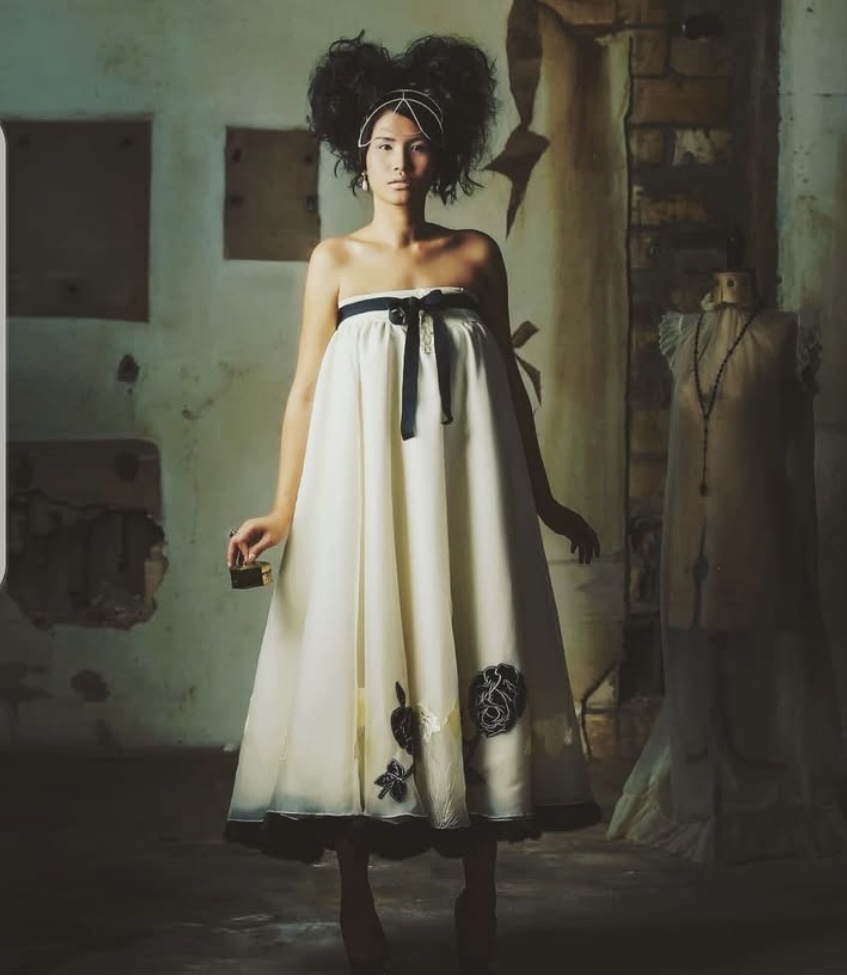
Photo courtesy of Bridgett Artise
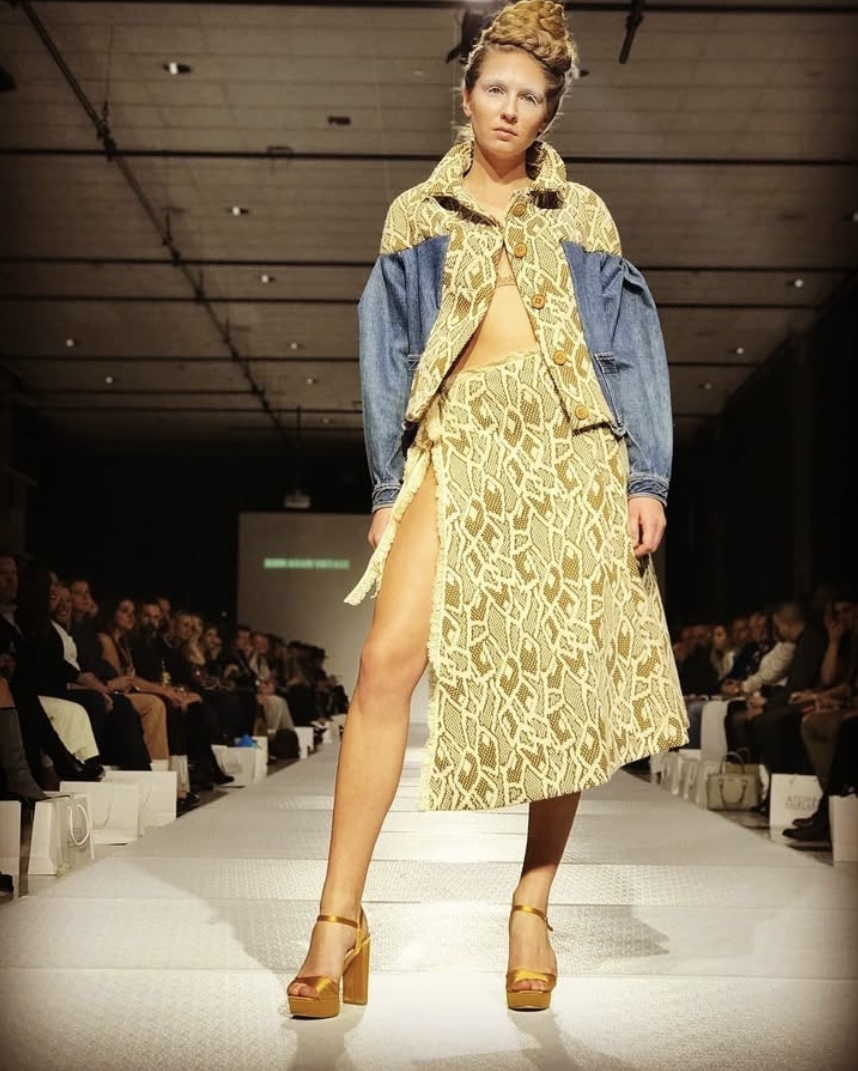
Photo courtesy of Bridgett Artise
Your book Born Again Vintage: 25 Ways to Deconstruct, Reinvent & Recycle has become a true manifesto. How did it come to life?
Published in 2008, the book is what put me on the map as a sustainable fashion pioneer. An editor from Random House spotted my booth at a designer market in NOHO, took me to lunch, and proposed the idea. Nearly 20 years later, students still bring copies to sign — and that says everything. Truly meant to inspire, it shows what can be done with what you already have.
Should we expect a follow-up?
A follow-up is already in the works — called 27 Dresses. The only decision left is whether to self-publish or reprint the original and add it to that. So yes — watch this space.
You teach at FIT and Vogue College of Fashion. What phrase do your students hear from you most often?
At FIT, the focus is on Clothing Reconstruction, while at Vogue College of Fashion — Fashion Business. What I find myself repeating most often is: “Don’t be so rigid with your path — allow yourself to explore.” It comes from personal experience. My journey unfolded so organically that if I had been set on becoming an accountant, none of this would have ever happened.
You observe the new generation of designers from the inside. Has their approach to sustainability changed?
It actually has. Teaching allows me to witness this change firsthand — and although it is subtle, it is undeniable. This generation cares more about things that the previous generation overlooked. And it is often the smallest step that makes the impossible possible.
What is one myth about sustainable fashion you would like to debunk once and for all?
There are so many! But one of the most common is that sustainable fashion is expensive. Not true. Remember — thrifting is sustainability too.
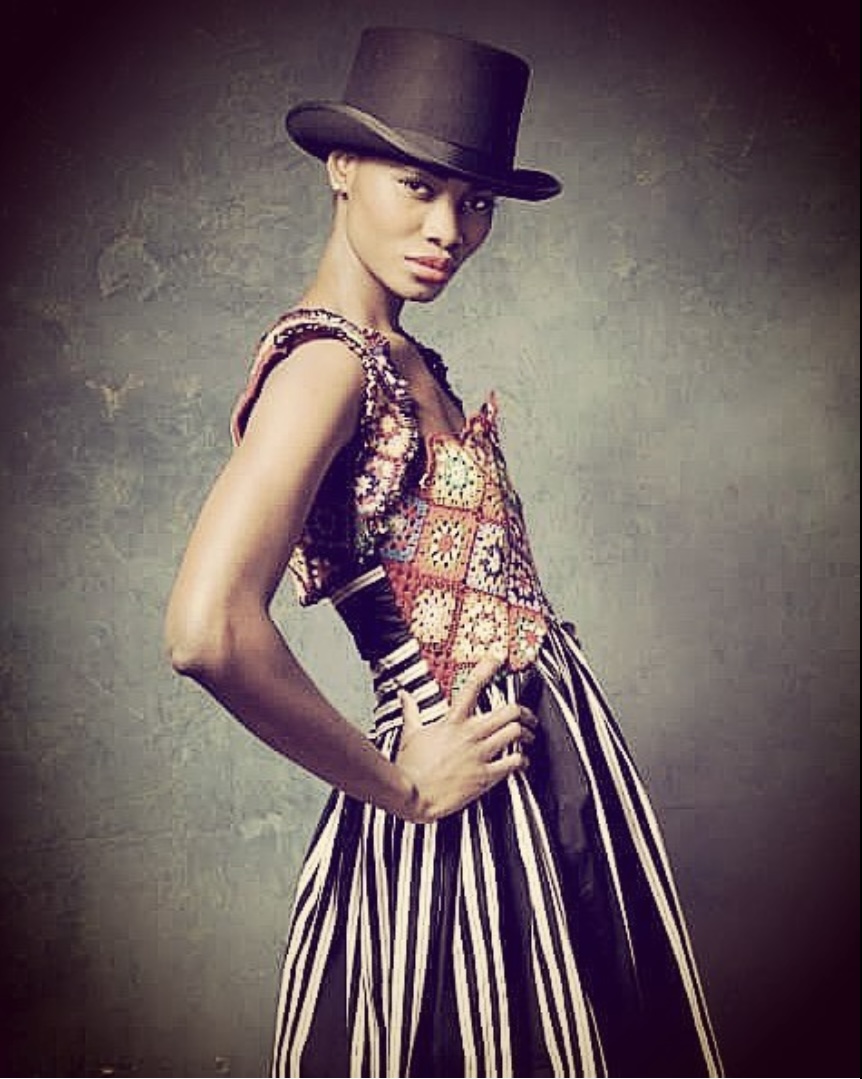
Photo courtesy of Bridgett Artise
And what do people most often misunderstand about upcycling and responsible consumption?
A big misconception is that responsible consumption means not buying anything at all — which is never going to happen. But what we do ask is that you pause before every purchase: do I really need this? Is there a local or small brand where I can get it? How many times will I actually wear it? Statistics show that we accumulate around 80 lbs of textile waste annually — and if we gave each decision just a little more thought, I believe those numbers could be reduced significantly.
How have over 20 years in sustainable fashion changed you personally?
It is impossible to know the facts and statistics and not be changed by them. I have not shopped retail in over 14 years. Every gift I give is either thrifted or handmade. And I like to think I have inspired my friends and family along the way.
What keeps you motivated when the industry feels stuck?
The beauty of this path is that it never looks the same from one year to the next. I started as a buyer, then became a designer, then an author, then a teacher, and now a founder. When things feel slow, I stay motivated by pivoting to whatever I enjoy most to get inspired again. I have found that when you follow your passion — the reward finds its way back to you.
And finally — do you believe sustainability will truly shift the impact of fast fashion in the years ahead?
I have to believe it — ha! And after 14 years in the classroom, I do. The change is slow — but steady. And that already means a great deal.
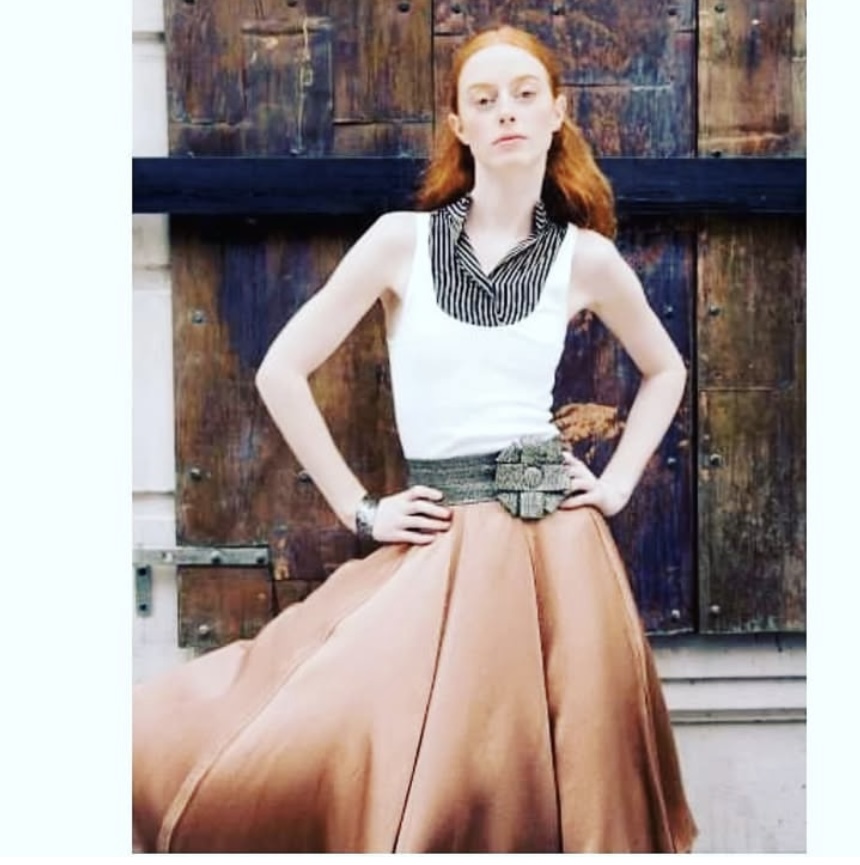
Photo courtesy of Bridgett Artise
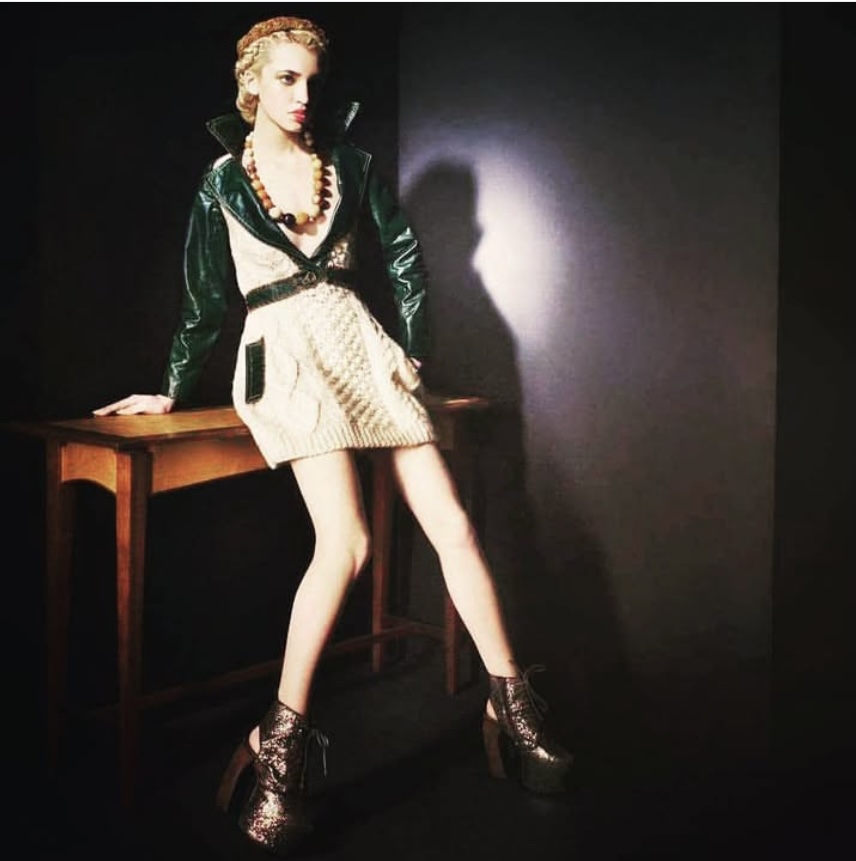
Photo courtesy of Bridgett Artise
Bridgett Artise: @bridgett.artise
Sustainable Fashion Week US: @sustainablefashionweekus
Born Again Vintage: @bornagainvintage
By Catherine Mills