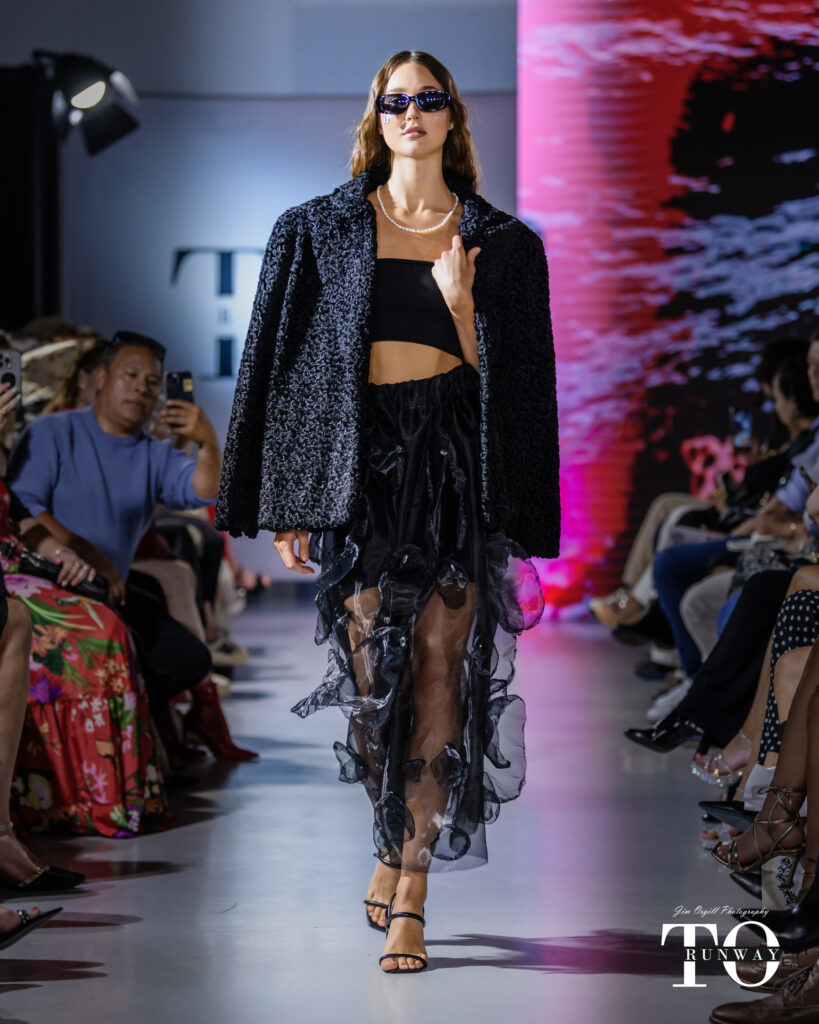


The Poetry of Power and Pink: Inside House of Rina’s “Gulabi Pink” Revolution
It’s long been known that pink is more than just a trend — it’s a colour of strength, dignity, and feminine power. And on October 3rd, at Paris Fashion Week, Rina Patel proved exactly that.
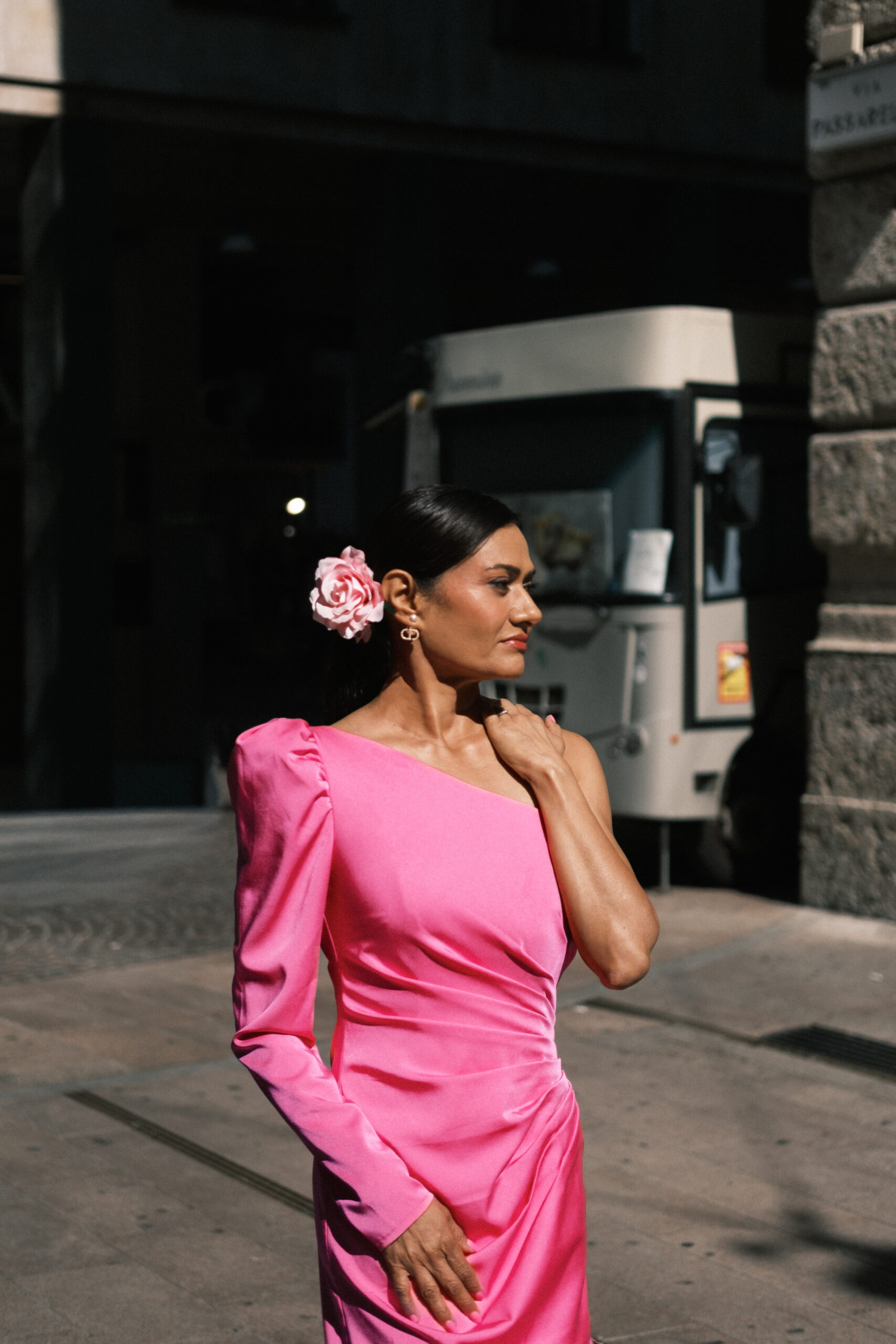
Photo courtesy of House of Rina
The brand House of Rina unveiled its new collection, “Gulabi Pink,” inspired by the Gulabi Gang — a remarkable women-led movement in India whose members wear vivid hot pink saris as they fight for justice, equality, and women’s rights.
We had the opportunity to speak with the designer and explore the story behind the collection, its symbolism, and the journey that led Rina to launch her own brand and bring this empowering vision to life.
Congratulations on presenting the “Gulabi Pink” collection at Paris Fashion Week — such a defining moment for House of Rina. How did it feel to see your vision come alive on that runway?
For over ten years, I’ve had the privilege of working with incredible designers and watching their creations come alive on the runway. But seeing my own first collection take centre stage was truly magical. All the hard work, time, and energy that went into “Gulabi Pink” made the moment feel surreal — a dream I’d nurtured for years finally unfolding before my eyes.
Every look came together so beautifully — the mix of fabrics, the rose chokers, the delicate gloves, and the roses woven into their hair all flowed in perfect harmony. It was romantic poetry on the runway — filled with emotion, love, and a piece of my heart in every detail.
The collection takes inspiration from Gulabi Gang, a powerful women-led movement in India. What part of their story spoke to you most on a personal or emotional level?
With pink being my favourite colour, I was instantly drawn to the Gulabi Gang and the powerful meaning behind that bold shade. As I learned more about their story, I became deeply moved by their courage and the tangible change they’ve created for girls and women.
With more than 40,000 members, the Gulabi Gang wears hot pink saris as a symbol of strength and unity. They advocate for women’s rights, run schools to ensure girls receive an education and avoid early marriage, and teach sewing skills so young women can achieve financial independence.
Pink is present everywhere — from uniforms to chalk — serving as a daily reminder of empowerment and hope. Beyond education, they also support widows in protecting their homes and land, teaching them to stand up for themselves when landlords attempt to take over their property.
To me, this is true hot pink power — women lifting one another up, standing tall, and painting their world in shades of courage and grace. That spirit — that poetry in pink — inspired every thread of “Gulabi Pink.”
“Gulabi Pink” beautifully merges strength and softness. What emotions did you hope women would feel when wearing these designs?
I wanted women to feel beautiful, feminine, and powerful — to feel that they can create change simply by being themselves. “Gulabi Pink” isn’t just about a beautiful colour; it’s about everything that colour represents.
Pink has long symbolized softness, yet to me, it also embodies strength — carrying both compassion and courage. When women wear these pieces, I hope they feel that balance: strong yet gentle, bold yet graceful. “Gulabi Pink” is a celebration of that harmony — softness that stands tall and beauty that truly makes a difference.
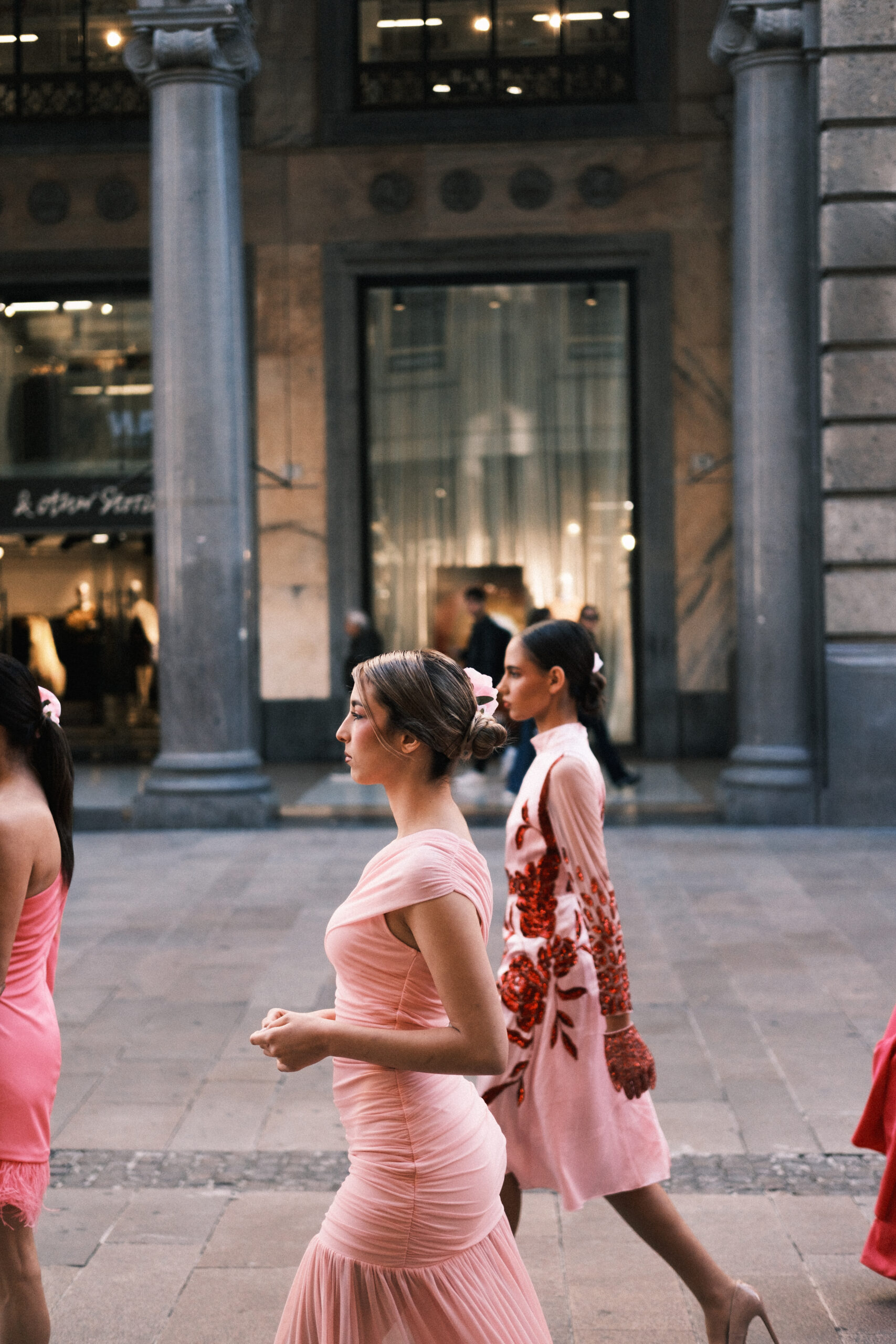
Photo courtesy of House of Rina
Do you have a favorite look from the collection — one that holds special meaning for you?
More than a favourite look, I have a favourite piece from the collection: the roses worn as chokers and woven into the models’ hair. They hold deep meaning for me because they represent harmony — soft yet strong, delicate yet powerful.
To me, the rose is a reminder of the beauty and strength that exist within every woman. Each petal tells a story of resilience, grace, and blooming in your own time and in your own way. These roses symbolize every woman’s journey — finding her voice, her confidence, and her power.
Take us back to the beginning — what first drew you into fashion, and when did you realize this was your true calling?
Ever since middle school, I’ve been drawn to fashion. I remember telling my mum I wanted to take fashion classes, but at the time, it didn’t seem like a practical path. Still, I couldn’t ignore how deeply I loved it.
Much of my inspiration came from watching Bollywood movies, especially those starring Sridevi. I was mesmerized by her elegance — the colours, the fabrics, and how every look told a story. Those films showed me that fashion could express emotion — that clothes could make you feel something long after the scene ended.
Although I didn’t formally study fashion back then, that love stayed with me. Working with designers for over a decade — not only in design but also in directing fashion shows — allowed me to learn, grow, and fully fall in love with the art of storytelling through clothing. It was in those moments — watching ideas become garments and garments become emotions on the runway — that I realized this wasn’t just something I loved; it was my calling.
Where do you usually find inspiration for your collections, and what consistently fuels your creativity?
I find inspiration in women’s stories, colours, and Bollywood movies. There’s something incredibly powerful about the way women live, feel, and express themselves — their strength, softness, and resilience constantly move me.
Colours inspire me deeply, too. Each shade carries its own emotion and story — whether it’s the warmth of pink, the calm of ivory, or the depth of gold. They help set the emotional tone of every collection. And Bollywood, especially the movies I grew up watching, continues to spark my imagination with its storytelling, costumes, and emotion. All of these influences come together and shape how I create.
The fashion world moves fast and can be all-consuming. How do you maintain balance and clarity in your creative process?
The fashion world moves quickly, and it’s easy to get caught up in its constant pace. For me, staying balanced means remembering why I started — my love for creating, the joy of storytelling through clothing, and the purpose behind every collection.
Whenever things feel overwhelming, I step back and remind myself that it’s not just about trends or deadlines — it’s about creating something meaningful. Returning to that “why” always brings clarity and keeps me grounded.
Looking ahead, how do you envision the next chapter for House of Rina?
Looking ahead, I will continue directing fashion shows — something I’m deeply passionate about and that keeps me connected to the creative energy of this industry.
I’m also working on new pieces that will be launched and sold through the “Gulabi Pink” collection. They are a reminder of why I began this journey — to create with meaning, tell stories through design, and celebrate the strength and beauty of women.
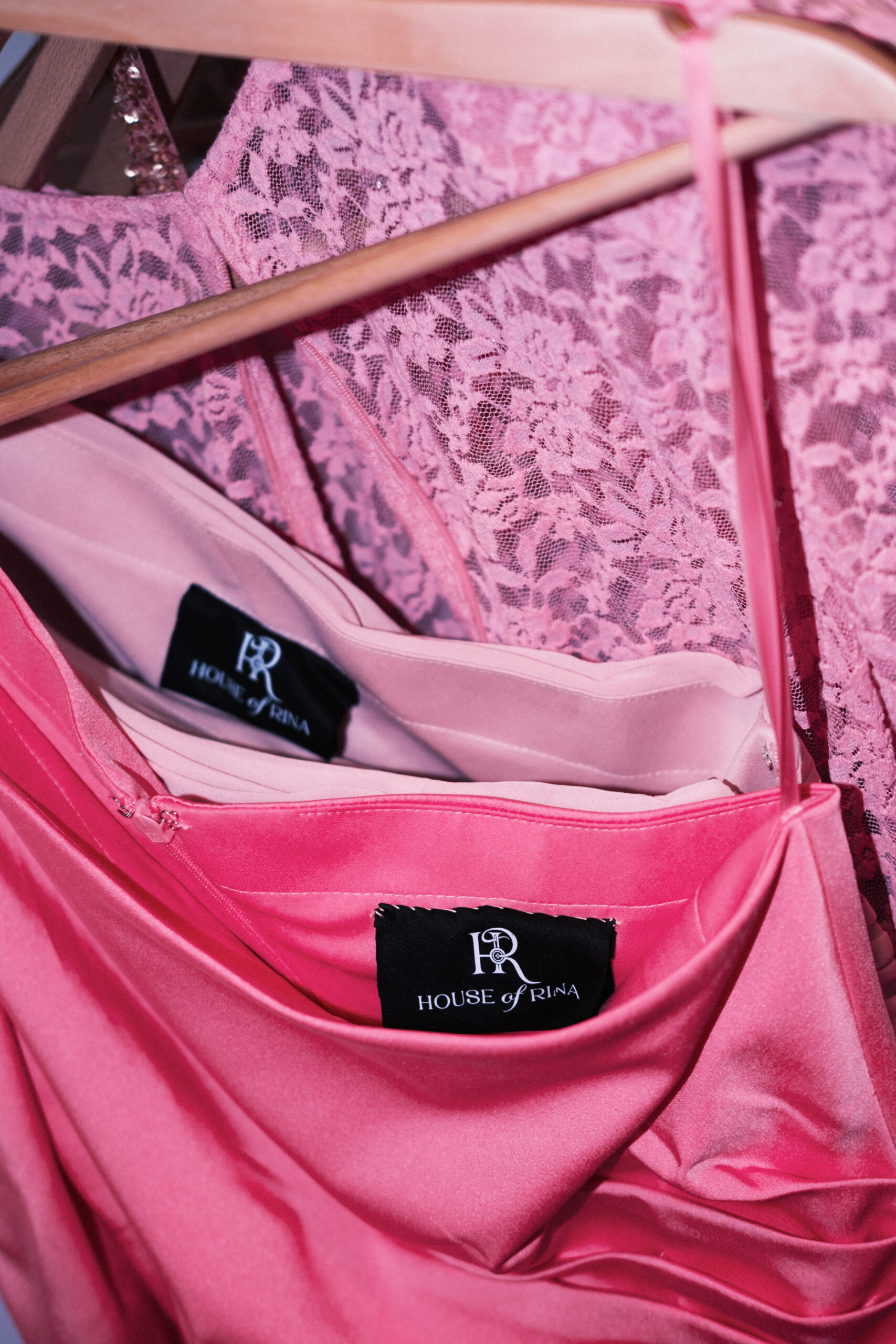
Photo courtesy of House of Rina
Quick Q&A
A person who inspires you:
Bollywood actress Sridevi — “Even though she’s no longer with us, her legacy continues to inspire me.”
Your biggest dream:
“To dress stars in movies and on red carpet galas.”
Three words that define your brand:
Feminine. Powerful. Timeless.
Your favourite moment from “Gulabi Pink”:
“The photoshoot at the Milan Duomo and the Eiffel Tower — these iconic backdrops made the experience feel surreal.”
A colour that symbolizes strength for you:
“Pink, of course.”
One piece of advice for emerging designers:
“Don’t be afraid to start small or make mistakes — every step teaches you something.”
Photographer: Sydney Duncan
Hair: Pricille Ngono Essengue
Makeup: Grace McConnellogue
Stylist and Creative Director: Rina Patel, House of Rina
By Catherine Mills