

The Future Is Tailored: How Technology Is Rewriting Fashion
Fashion has never been shy about borrowing from the future. The sewing machine put couture-level construction within reach of everyone, synthetic fibers gave us the stretch and shine we now take for granted, and digital pattern-making let designers dream in three dimensions before a single bolt of cloth was cut. Today the pace is faster and the ideas bolder. The most exciting changes aren’t happening on the runway. They’re happening in the fabric itself, in the studio, and in the way we try things on.
Fabric With a Pulse
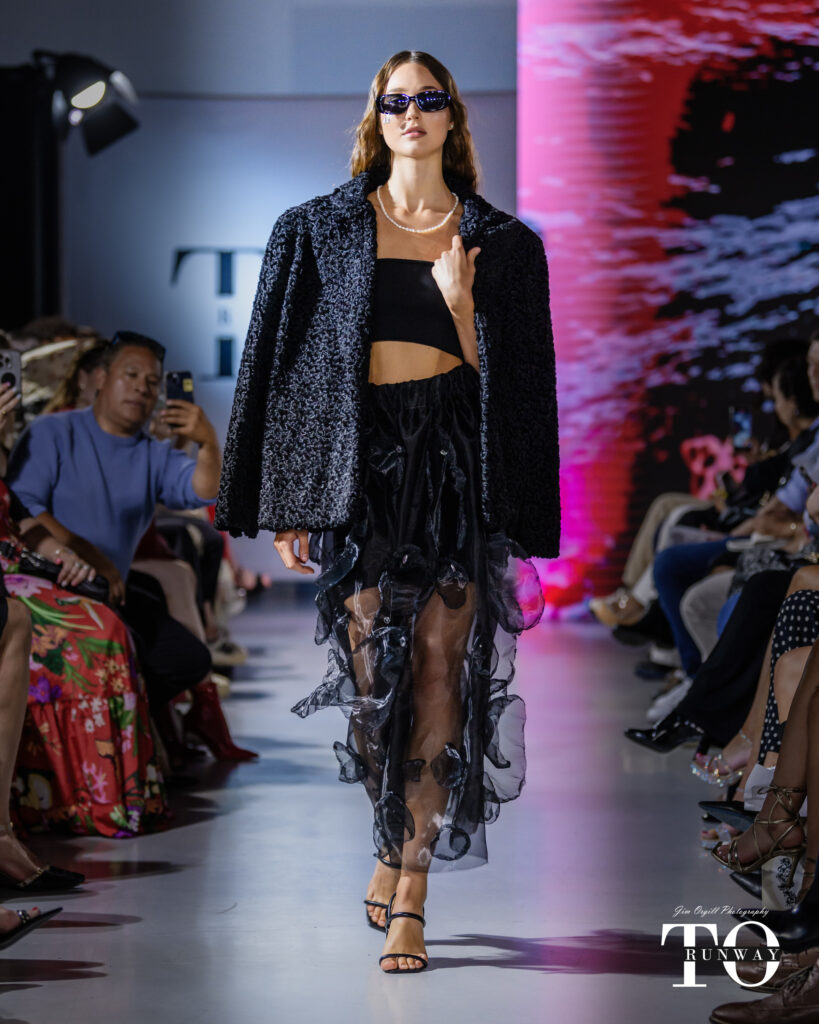
The most intriguing new textiles do more than look good. Smart fabrics, woven with conductive threads and tiny sensors, can respond to the body: warming up as the temperature drops, tracking movement during a workout, or shifting in ways that feel almost alive. Imagine a winter coat that adjusts to the weather, or a gown whose surface reacts to the wearer’s mood. Clothing becomes interactive, and the line between garment and gadget starts to blur beautifully.
Photo by Fernanda Garcia on Unsplash
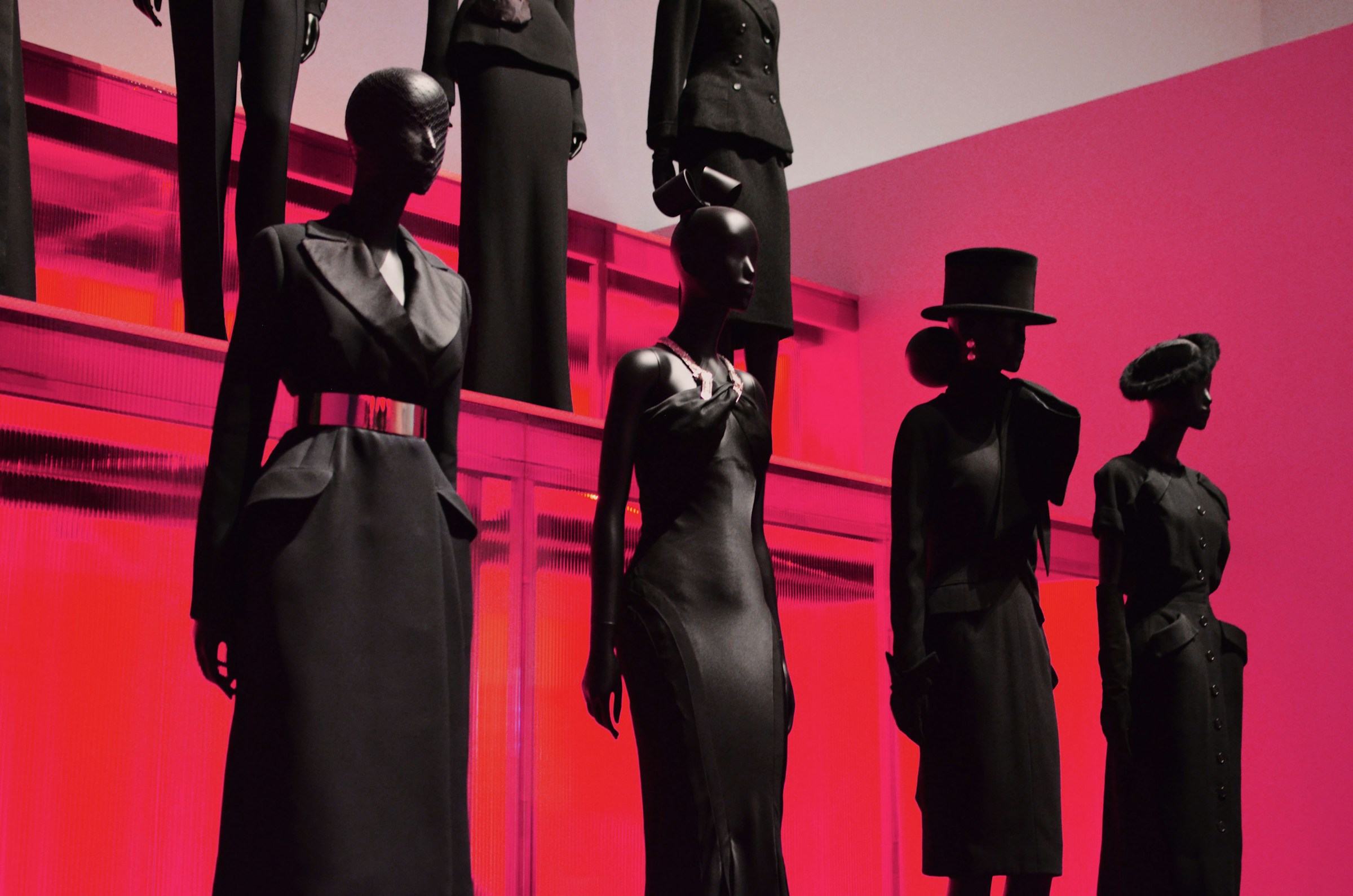
Photo by Fernanda Garcia on Unsplash
The Studio Goes Digital
Designers now build entire collections on screen. Digital draping lets a silhouette be sketched, fitted, and refined on a virtual form, with fabric that falls and swings as it would in real life. Fewer samples are cut, fewer yards are wasted, and teams on different continents can review a look together in real time. The result is more experimentation and faster ideas, with far less left on the cutting room floor.
Beauty With a Conscience
Luxury is being redefined by responsibility. Recycled fibers, plant-based leathers grown in labs, mushroom-derived materials, and waterless dyeing methods are moving from the fringes into serious collections. A pair of jeans made from reclaimed cotton and colored with a gentler process can look every bit as good as the original, and feel better about itself. The new measure of quality is how well a garment performs and how thoughtfully it was made.
Try Before You Buy, Without the Fitting Room
Augmented reality has turned every phone camera into a mirror. Point it at yourself and watch a jacket appear on your shoulders in a new shade, or step into a smart mirror and flip through a rack without changing. It narrows the gap between browsing at home and shopping in person, and it cuts down on the returns that come from guessing at fit. For designers, it also means a showroom can exist anywhere: a launch can be a virtual walk-through that guests attend from their sofas.
Made by Machines, Finished by Hands
Robotic cutters and automated stitching handle the repetitive work with remarkable precision, freeing human makers to focus on detail and craft. Modern factories use connected sensors to track energy, materials, and output, so production runs smoother and wastes less. Technology here isn’t replacing the artisan. It’s handling the routine so that skill can go where it matters most.
Clothes That Only Exist Onscreen
Perhaps the most playful frontier is digital-only fashion: gowns that float, fabrics that shimmer and morph, outfits made for avatars, game worlds, and social feeds. There are no fittings, no shipping, no fabric. A designer can launch a limited-edition digital piece and a fan can wear it on their profile within minutes. It’s pure imagination with a fresh audience, and it’s pushing designers to think without the limits of gravity or cost.
Printed to Fit
3D printing is opening up shapes that traditional sewing can’t produce: seamless structures, sculptural textures, and footwear molded precisely to the foot. Because pieces are made only when needed, printing pairs naturally with made-to-order fashion, where a design is finished after the customer commits. No overflowing warehouses, no end-of-season markdowns. Just the piece you chose, made for you.
Shopping, Seamlessly
Today’s customer might spot a look on social media, try it virtually, order it online, and collect it from a boutique the same afternoon. Behind that effortless journey is a fashion world learning to treat every touchpoint, whether app, website, store, or feed, as one continuous experience.
The Fine Print
None of this comes without questions. Smart garments and virtual try-ons gather personal data, and customers deserve clarity about how it’s used. Sustainability claims need proof, not just pretty words. And as workshops become more automated, the people who make our clothes must remain protected, fairly paid, and valued. The brands that win won’t simply be the most advanced. They’ll be the ones that pair innovation with integrity.
The Last Word
Technology isn’t here to replace the thrill of getting dressed. It’s here to expand it, giving designers new tools, makers new methods, and all of us new ways to express who we are. The future of fashion looks less like a machine and more like a mood: personal, inventive, and very much worth wearing.