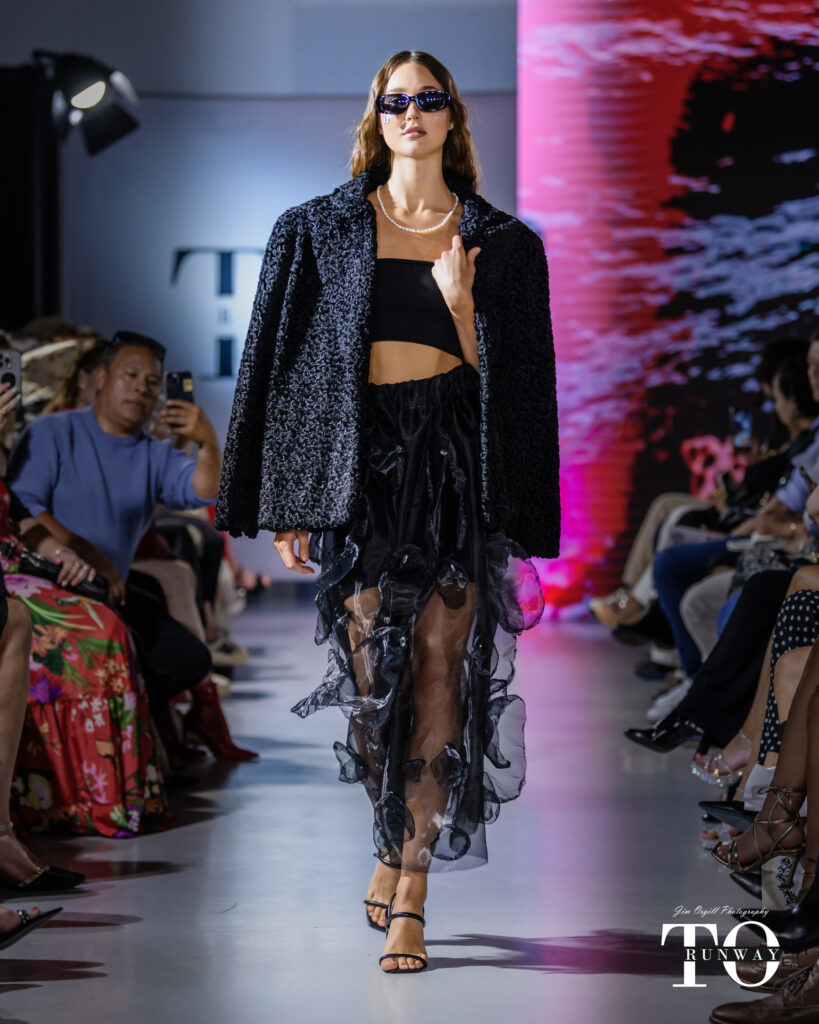


Jennifer Lamont: Between Myths, Heritage, and the Power of Imagination
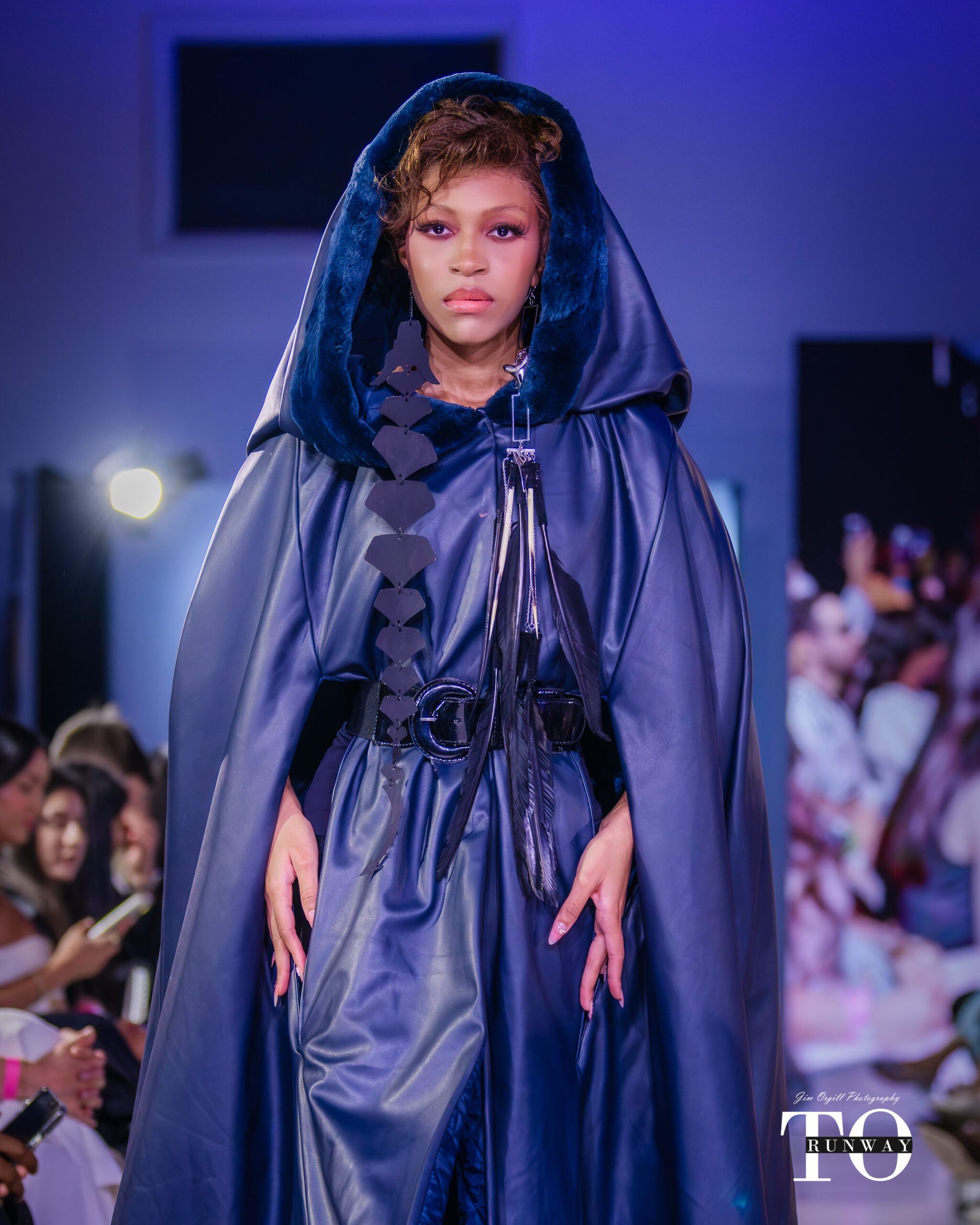 Dragons, Indigenous storytelling, and avant-garde craftsmanship are not themes often found within the same collection. Yet for Canadian Indigenous designer Jennifer Lamont, they come together naturally within a creative universe shaped by imagination, cultural memory, and a deep respect for heritage.
For Lamont, fashion begins long before the first sketch appears on paper. Every collection starts with a story — one inspired by personal experiences, mythology, tradition, or the world around her. Through her work, she transforms garments into narratives, creating pieces that exist somewhere between fashion, art, and storytelling.
We spoke with Jennifer about the journey of building her brand, the role storytelling plays in her creative process, her latest collection inspired by dragons and mythology, and why she believes cinema may be the next natural chapter in her creative journey.
Jennifer, tell us about your brand. How did your journey in fashion begin?
My brand evolved gradually through years of experimentation and self-discovery. It was a long process of understanding my creative identity and what I wanted to communicate through my work.
The brand officially launched in 2019 with a collection called Northern Lights. The project was deeply influenced by cultural heritage and design. After that, I explored several creative directions, including designing clothing for neurodivergent children. These were not simply garments — each piece incorporated therapeutic elements directly into the design.
That experience helped me realize that storytelling and conceptual design were what truly inspired me. Since then, they have become the foundation of everything I create.
 Today, storytelling has become an essential part of many successful brands. What role does it play in your creative process?
For me, storytelling is the foundation of the brand.
Every collection is a chapter inspired by personal experiences, memories, or imagination. Stories shape the entire creative process, from the initial concept to the final garment.
Indigenous culture also plays a significant role in my work. It allows me to explore themes of heritage, identity, and respect for tradition. I want my collections to be more than clothing — I want them to become narratives that people can experience and connect with on an emotional level.
Your latest collection brings together futurism, fantasy, and cultural heritage. What inspired this creative world?
I’ve always been fascinated by the idea that contemporary narratives and traditional forms of storytelling can coexist.
Through this body of work, I wanted to create a world where mythical creatures, dragons, and fantasy-inspired imagery could exist alongside elements of Indigenous culture. In many ways, it is an exploration of how traditional narratives can be reimagined through a contemporary design lens.
At its core, the collection explores how stories passed down through generations can evolve while still preserving their original spirit.
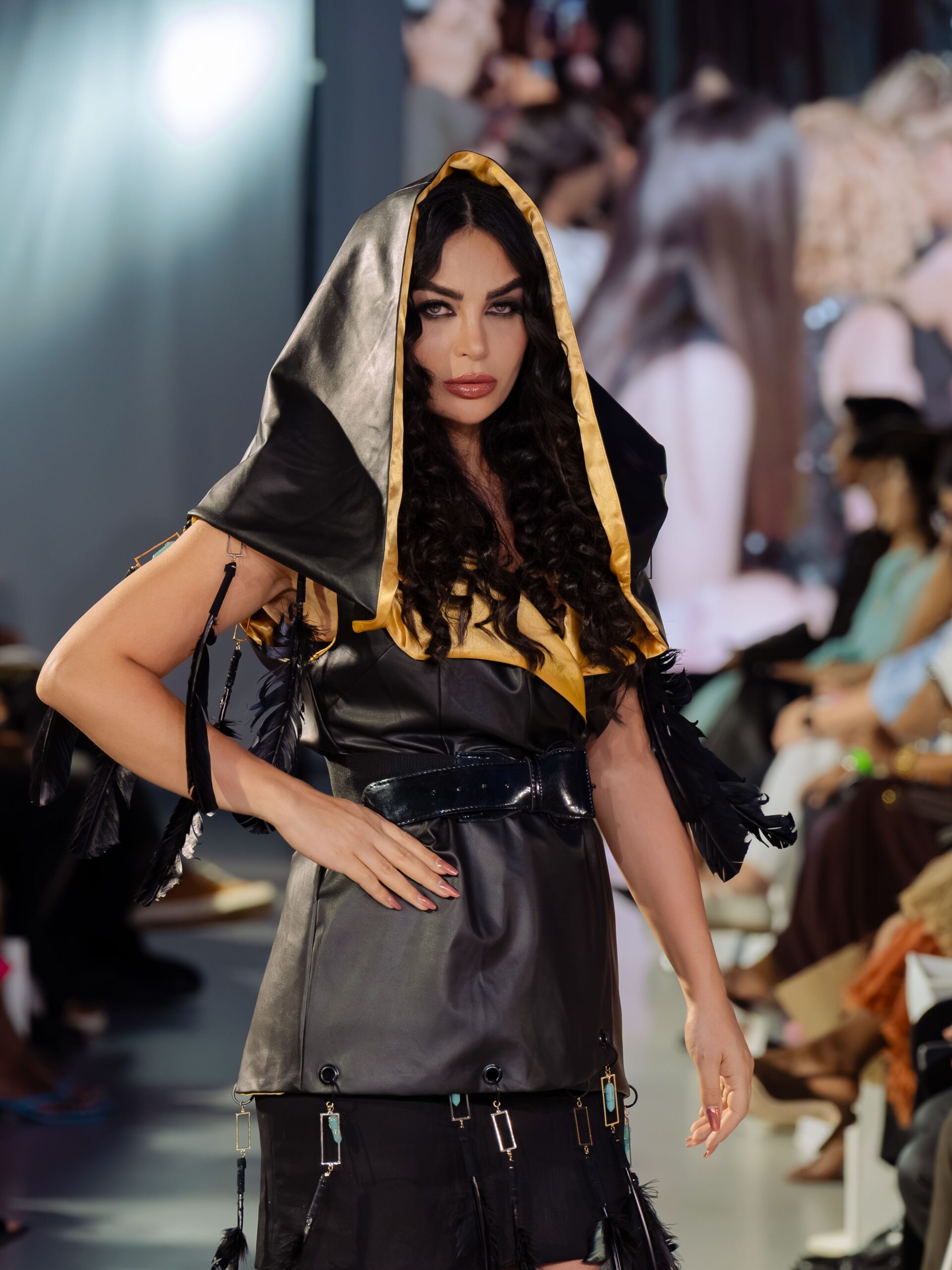 One of the most striking elements of the collection is the dragon integrated directly into the garment’s construction. What was the process behind creating it?
That piece became one of the greatest challenges of the entire project.
I used a transformational reconstruction technique, which requires constant experimentation, prototyping, and a willingness to start over when something isn’t working.
Previously, I had only used this technique for relatively simple shapes, so creating a dragon was a significant challenge. At the same time, it became one of the boldest and most expressive pieces in the collection.
Sometimes you simply have to trust the process and allow the design itself to guide you towards unexpected solutions.
Do cultural traditions influence the materials and details you choose to work with?
Absolutely.
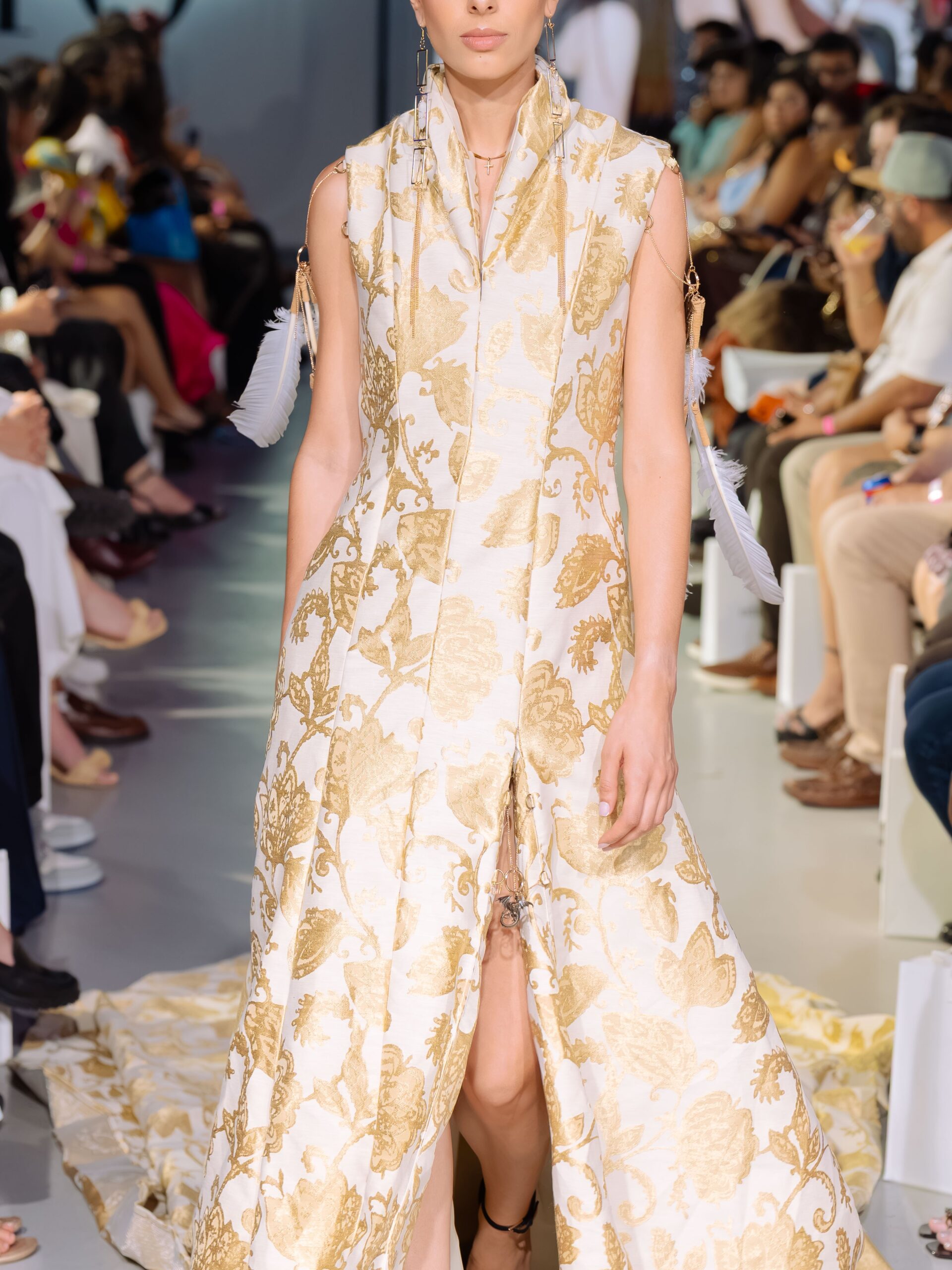
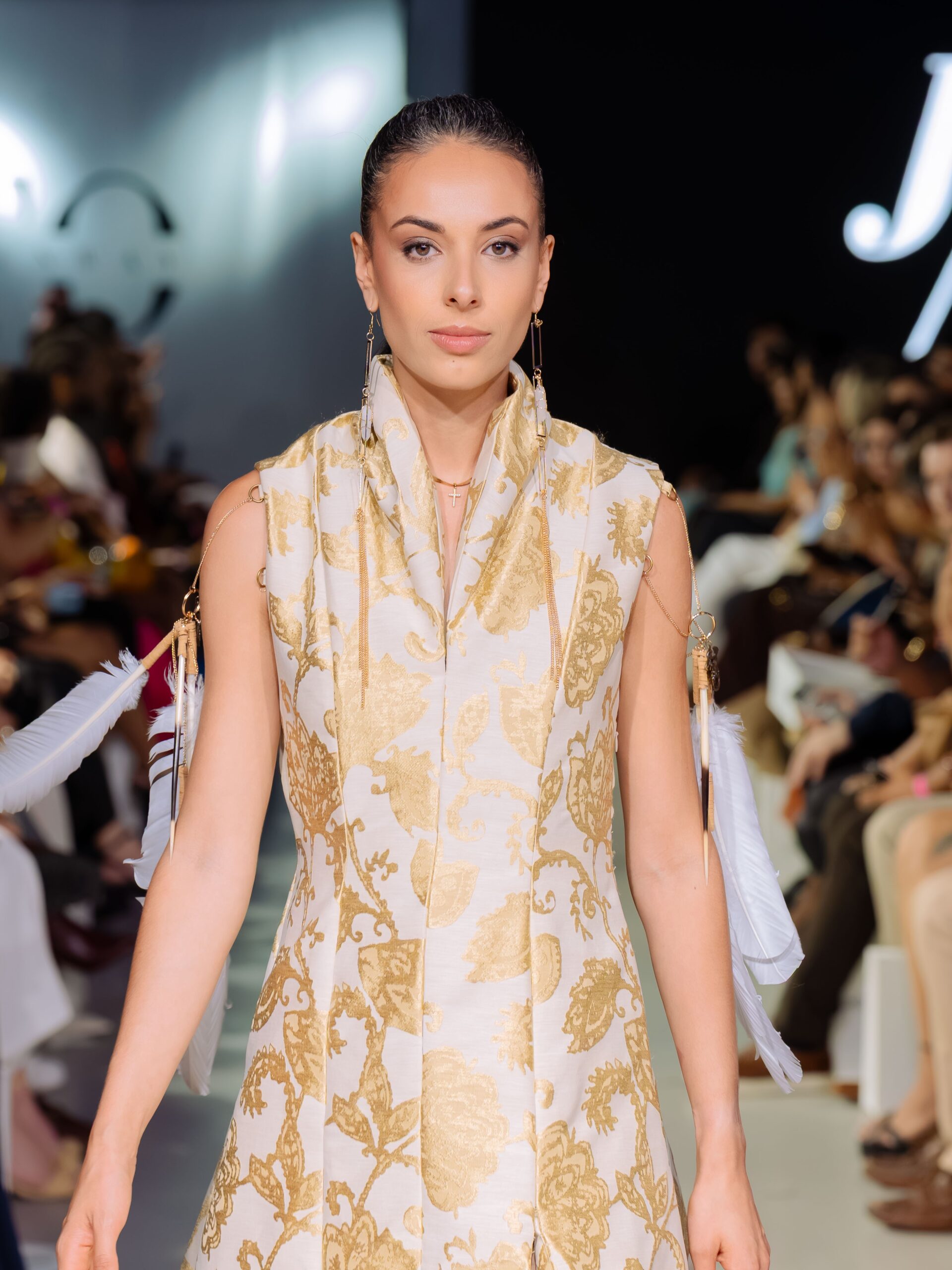
I often incorporate elements connected to Indigenous culture, including feathers, porcupine quills, and other natural materials. For me, these details are never merely decorative — they are part of a larger narrative and help create a deeper cultural context within the work.
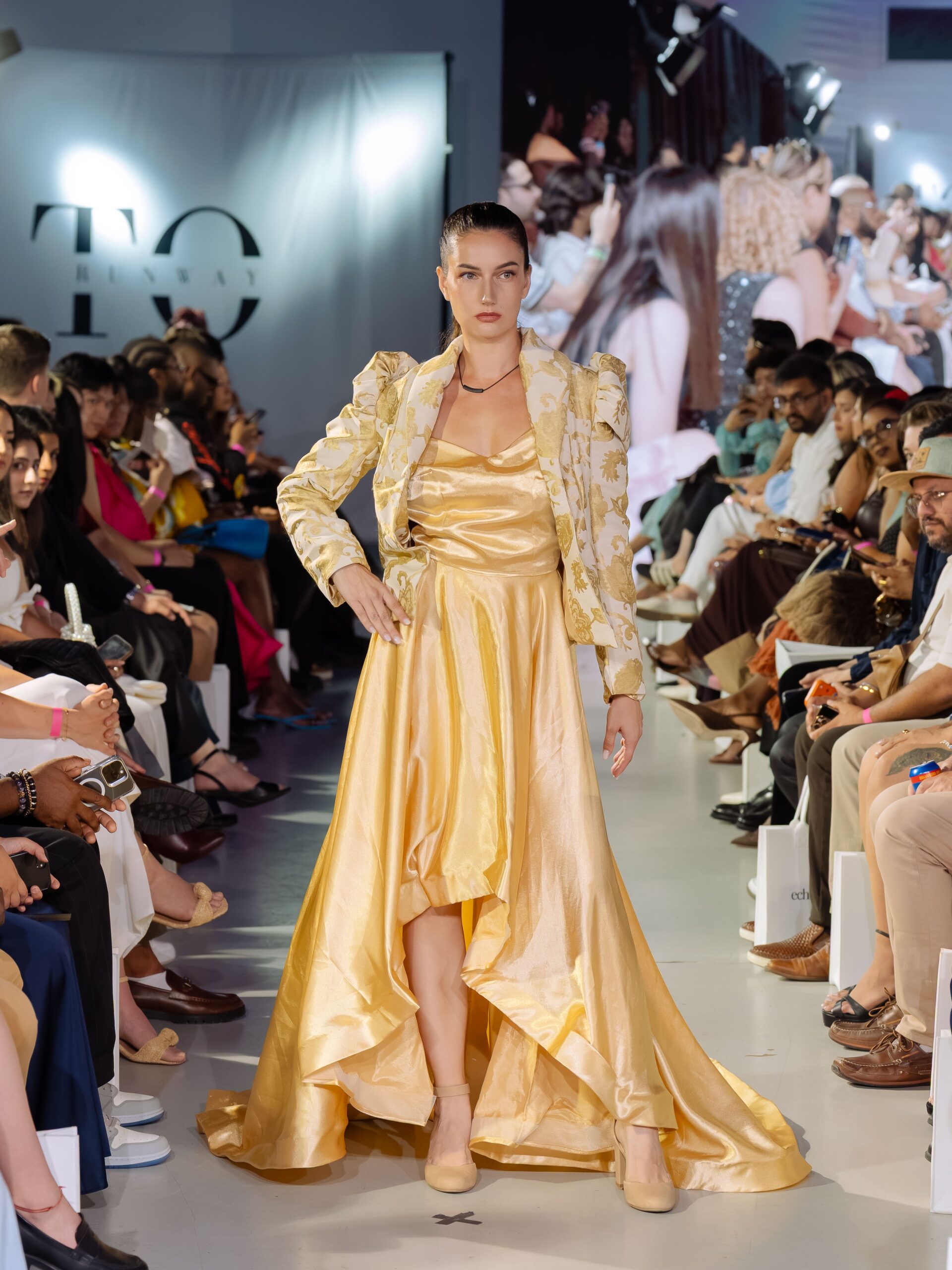
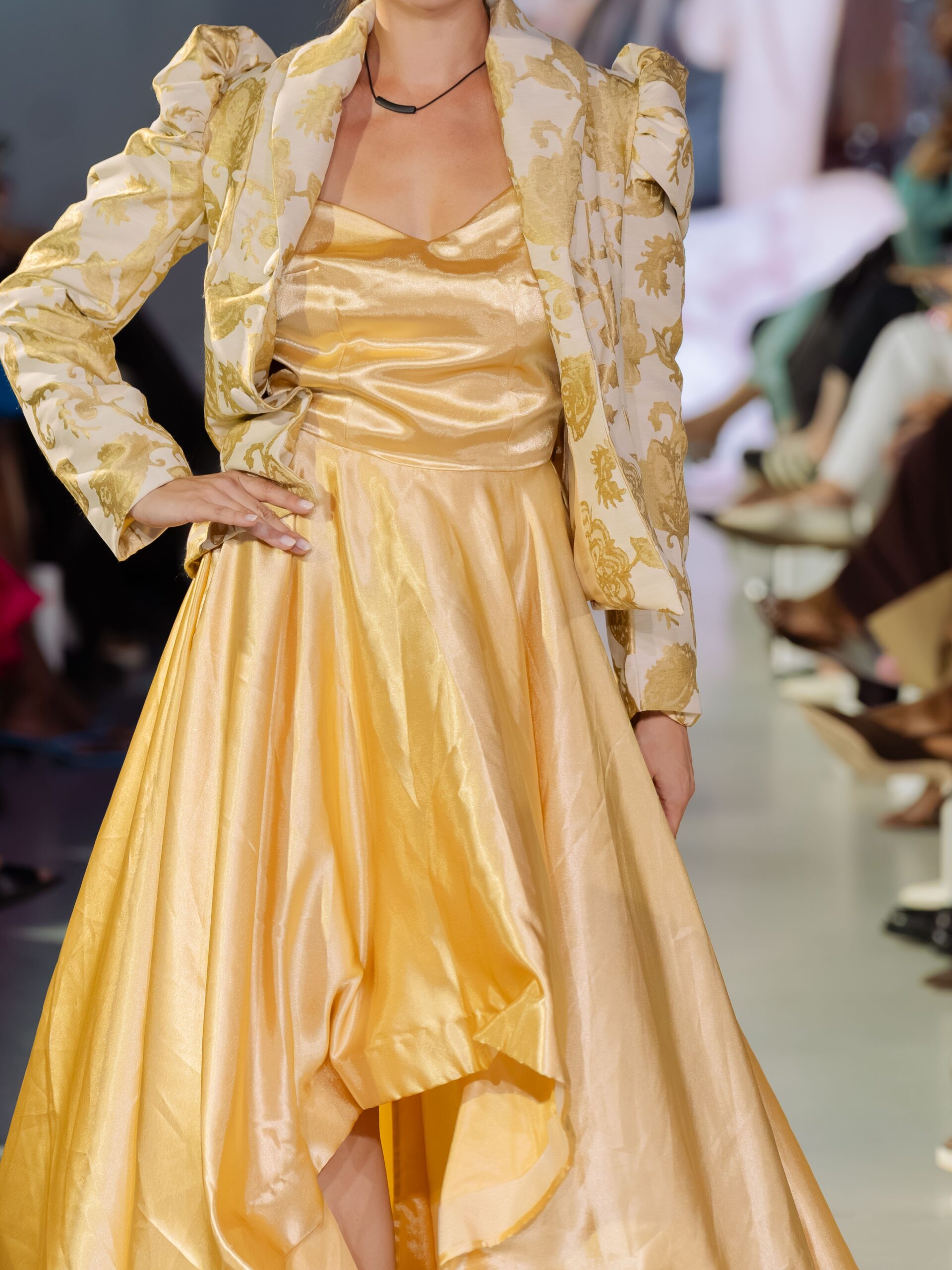 What was the greatest challenge you faced while developing this collection?
Without question, it was time.
While creating the collection, I was also completing my Bachelor of Education and fulfilling my practicum requirements. Balancing academic responsibilities with the demands of designing and constructing an entire collection was incredibly challenging.
From the initial concept to the final garments, the process took approximately one year.
How do you see your place within today’s fashion industry?
I’ve always felt that my work sits most naturally within the artistic and editorial space of fashion.
What interests me most is experimentation and the opportunity to create new worlds rather than focusing solely on commercial products. That’s why I view my collections as artistic expressions rather than products designed primarily for retail.
What continues to motivate you to create new collections?
The possibility of creating new worlds and telling new stories.
Inspiration can come from anywhere — a book, nature, sports, or even a quote that suddenly makes me see something from a different perspective.
Curiosity and the desire to explore new narratives are what continually push me forward.
How do you envision the future of your brand?
To be honest, I don’t like planning too far ahead.
My brand has always been more artistic and experimental than commercial, and I hope to maintain that creative freedom regardless of where the journey leads.
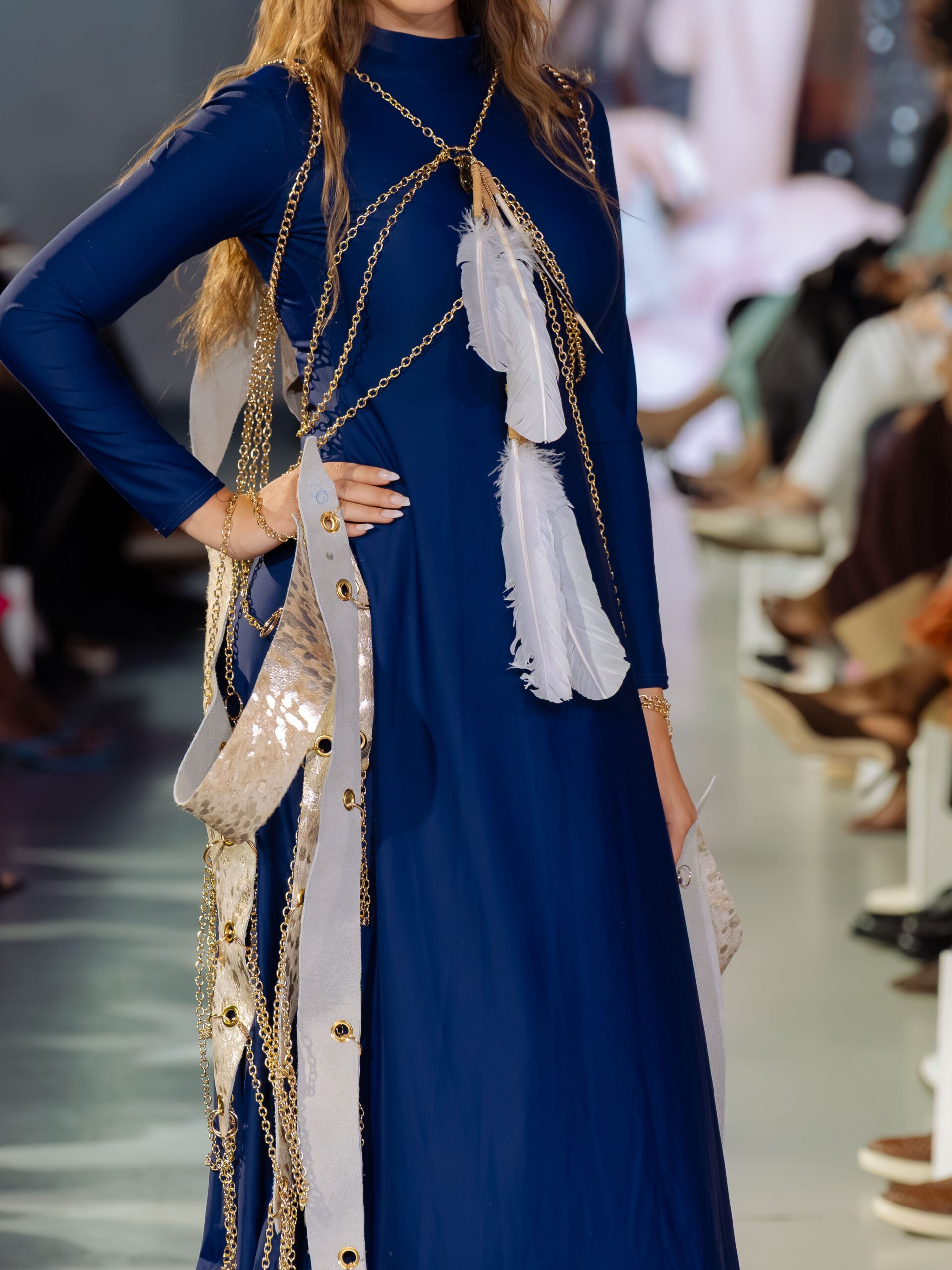 Today, your work exists at the intersection of fashion, art, and storytelling. What creative direction would you like to explore next?
My biggest dream is to work in costume design for film.
I’ve always loved creating entire worlds through design, and cinema offers incredible opportunities for storytelling. I think it’s one of the most natural spaces where fashion, narrative, and visual world-building can truly come together.
As our conversation comes to an end, one thing becomes clear: Jennifer Lamont is not simply designing garments. She is building worlds.
Whether drawing inspiration from Indigenous heritage, mythology, fantasy, or personal experience, her work consistently returns to the same idea — that clothing can carry stories, preserve memory, and connect generations. While those worlds currently come to life on the runway, it may only be a matter of time before they find their next chapter on screen.
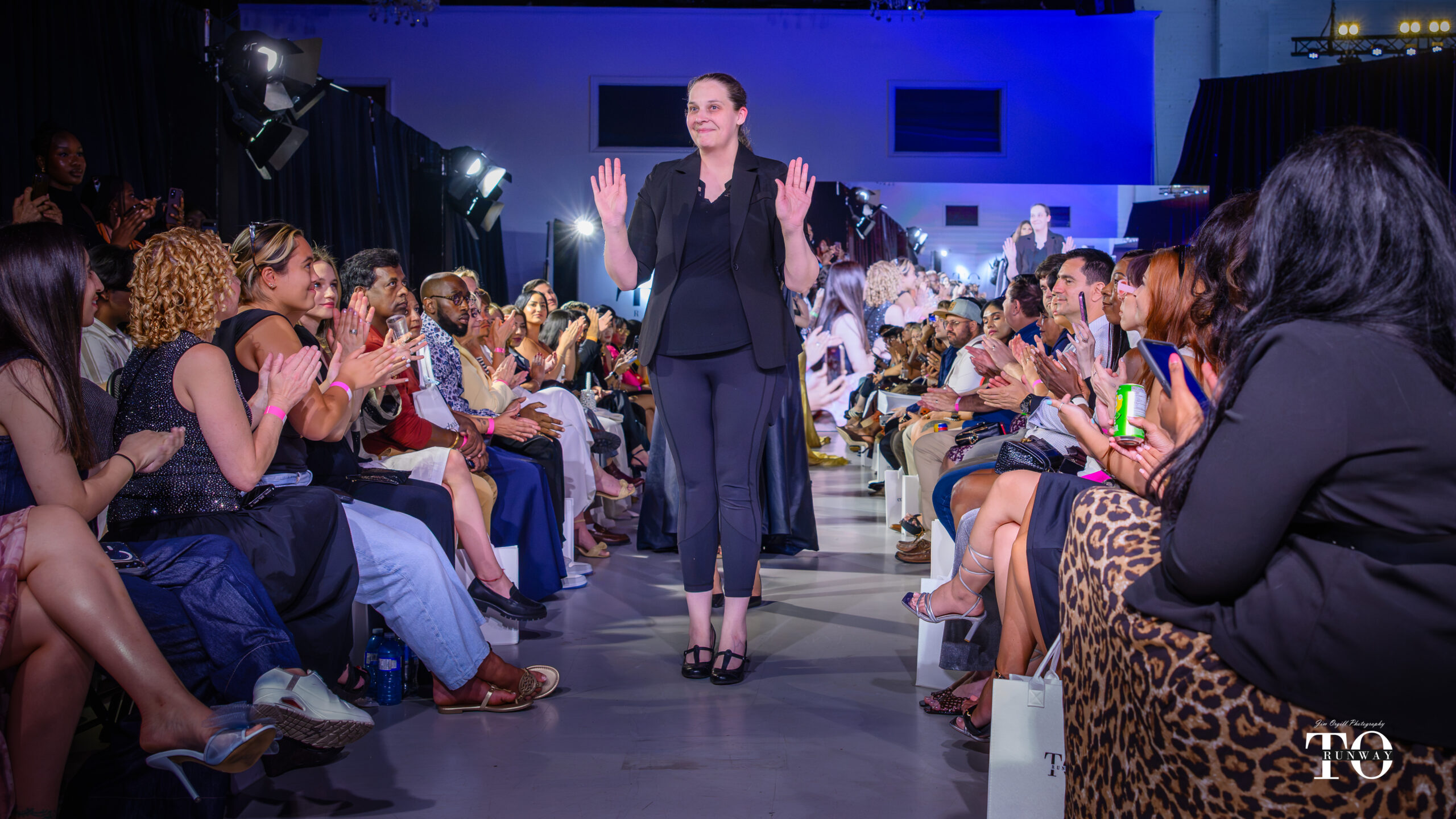
Photos by @tayluxia and @jimorgillphotography / RunwayTO
Instagram: @jenniferlamontdesigns
By Catherine Mills