

Alessio Filippelli on Creativity, Identity, and the Power of Storytelling
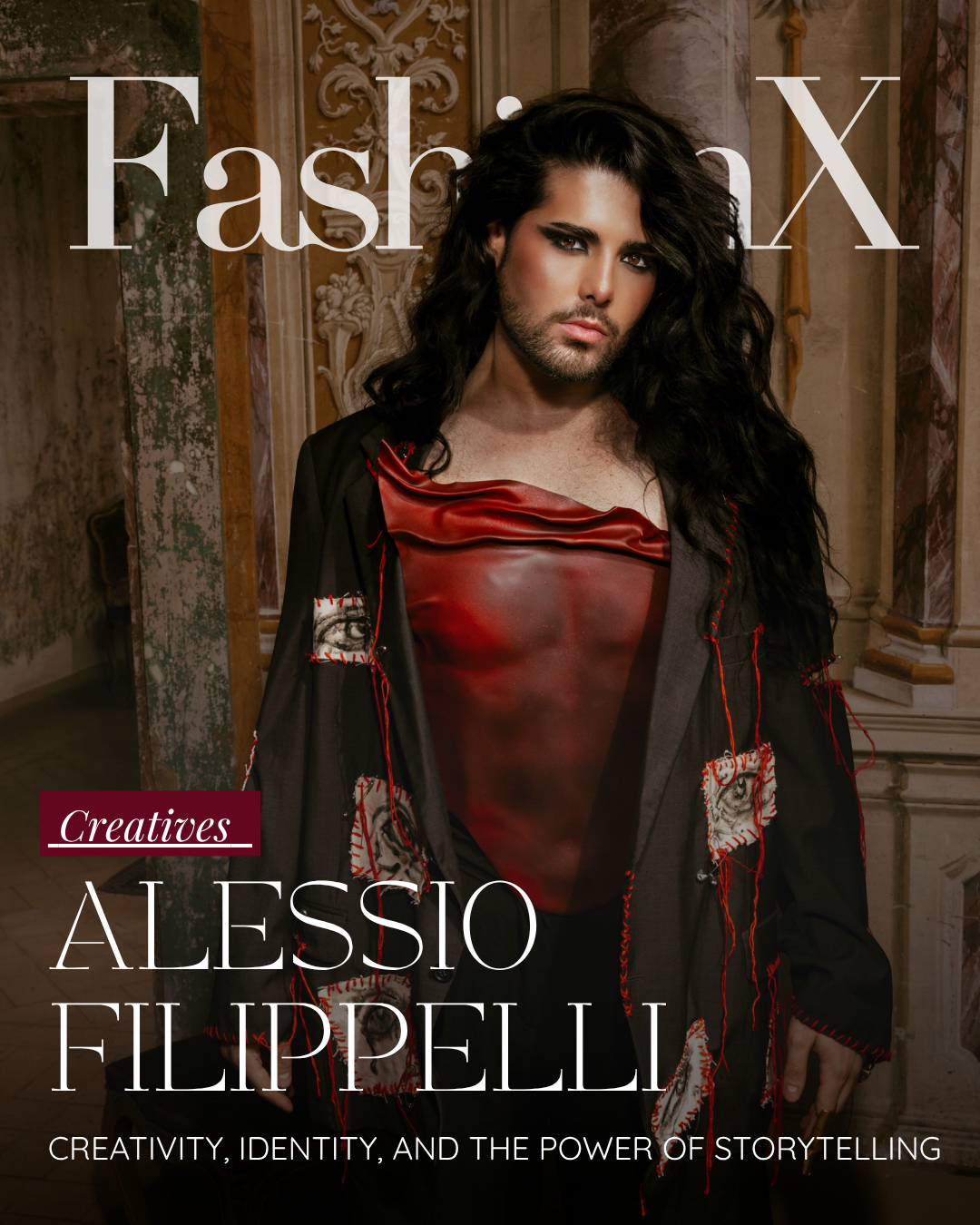 For Alessio Filippelli, fashion is never the final destination but the starting point for broader conversations about art, culture, and identity. As an actor, model, creative director, and brand strategist, he works at the intersection of multiple creative disciplines, developing projects where visual storytelling is inseparable from meaning. From international editorial projects and a TEDx talk to recognition from Oxford University, his career reflects how today’s creatives can bridge fashion, storytelling, and cultural influence.
We spoke with Alessio about the power of storytelling, fashion as a cultural language, and why authenticity remains at the heart of his creative vision.
Many people know you through fashion, but your work extends far beyond modelling. How would you describe what you do to someone discovering your work for the first time?
I see myself as a storyteller.
Whether I’m working in fashion, entertainment, branding, or visual campaigns, my goal is always the same: to create work that leaves people feeling something. I’m interested in crafting narratives that are emotionally honest, culturally relevant, and designed to spark meaningful conversations.
For me, creativity isn’t about producing beautiful images or perfectly polished visuals. It’s about giving ideas a voice and transforming them into experiences that stay with people long after they’ve encountered them.
What first drew you to the worlds of fashion, branding, and creative direction?
It all started with curiosity.
I became fascinated by the idea that a single image, a fabric, a silhouette, or even one garment could completely change the way people think, feel, or remember something.
Growing up, I often felt that I couldn’t see myself reflected in the stories around me. That inspired me to create the kinds of narratives I felt were missing.
There wasn’t one defining moment. Rather, it was a series of experiences—from working as a hairdresser in Rome to discovering the power of visual storytelling and eventually leaving Italy to pursue international opportunities—that gradually shaped my path.
Looking back, I realise I was never chasing fashion itself. I was chasing the possibility of changing culture through creativity.
You’ve been recognised by Oxford University, spoken at TEDx, featured by Forbes Italia, and recently received a lifetime achievement award in Italy—all before turning 30. Looking back, which moment has meant the most to you?
Oxford was probably the most emotional.
I didn’t come from a traditional academic background, so being recognised by one of the world’s most respected universities for creative leadership was something I never imagined.
It reminded me that there isn’t only one path to making a meaningful impact.
That said, I try not to define myself by awards. They matter because they acknowledge the journey, but they should never become the destination.
The work will always matter more than the recognition.
Your latest Pride project explored themes of memory, identity, and oppression rather than celebration alone. Why was it important for you to tell that story?
Because Pride didn’t begin as a celebration.
It began as resistance.
I believe it’s important that we don’t lose sight of that history.
Fashion has always been political, whether people realise it or not. The way we dress, present ourselves, and create images says something about who we are and the kind of world we hope to build.
With this project, I wanted to move beyond rainbow symbolism and instead reflect on the memories, sacrifices, and resilience that made today’s freedoms possible.
If visual art celebrates only the present without remembering the past, it risks becoming little more than decoration.
I wanted this project to invite reflection just as much as celebration.
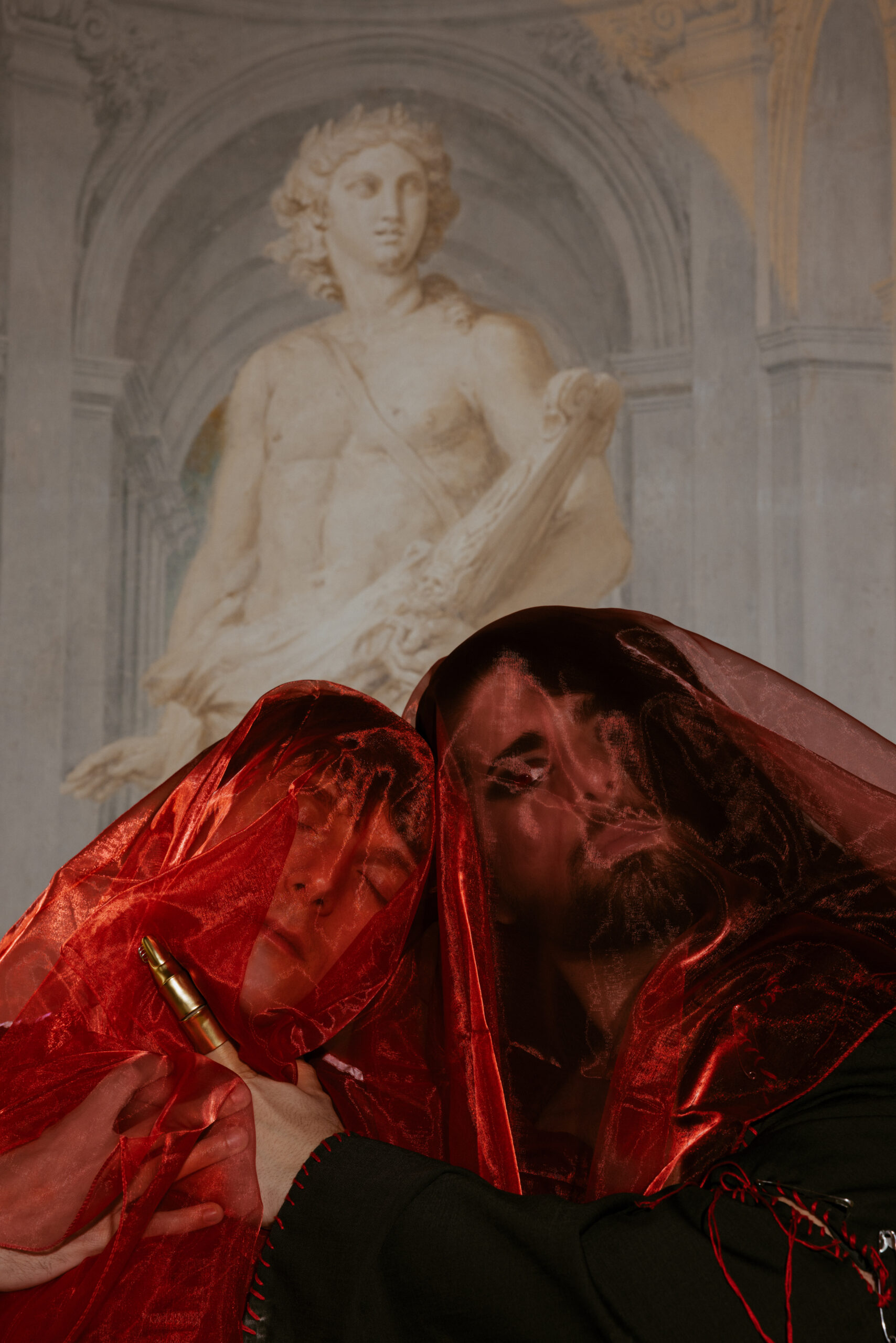
You’ve spoken openly about growing up feeling different and questioning whether you belonged. What advice would you give to young creatives who are still searching for confidence in their own voice?
Don’t spend your life trying to become someone you’re not because you think it’ll make people accept you.
The work that truly changes the world comes from people who stop asking for permission.
Your uniqueness will often feel like your greatest obstacle before it becomes your greatest strength.
Protect it.
There will always be people who don’t understand your vision—and that’s perfectly okay.
Focus on creating something honest rather than something popular.
Trends fade.
Authenticity lasts.
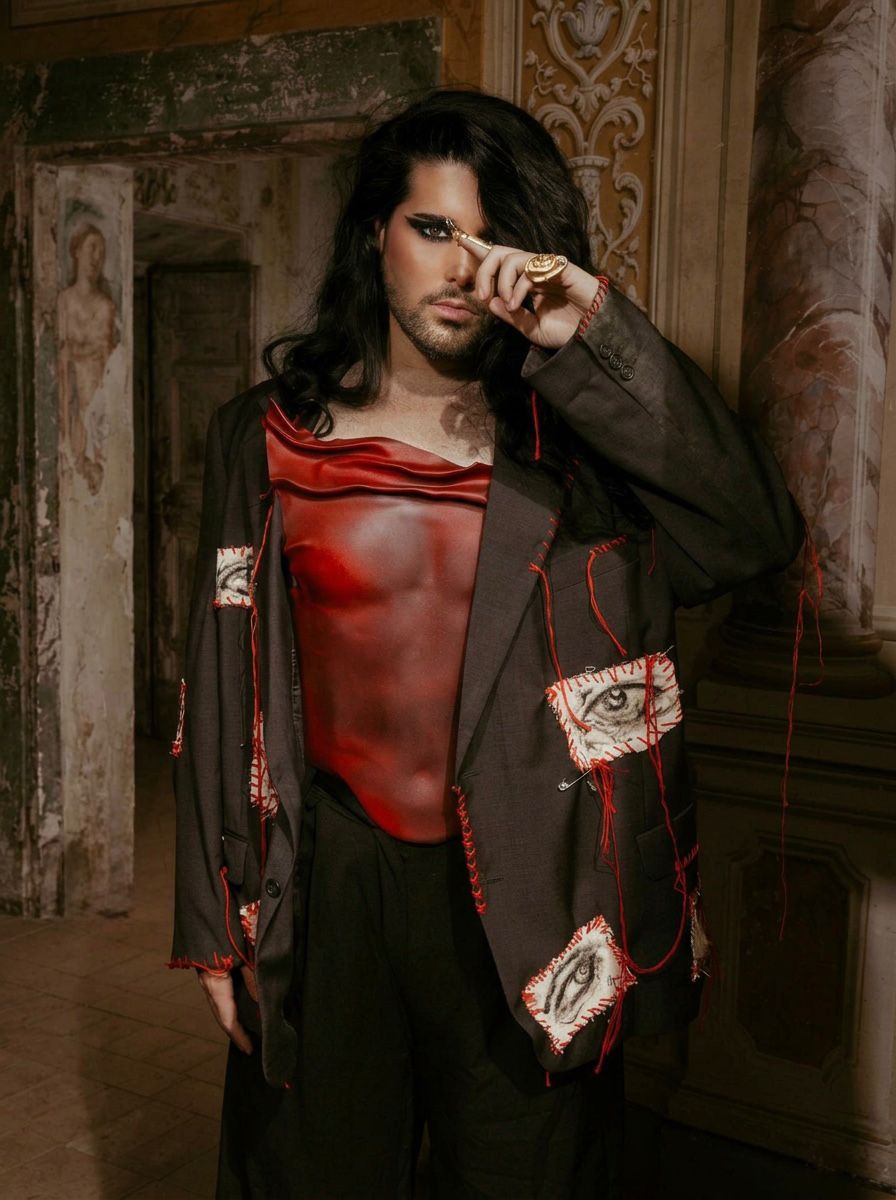 Finally, what projects are you currently most focused on, and what excites you most about the future?
I’m entering a new chapter where fashion, entertainment, and storytelling are becoming even more interconnected.
I’m currently developing projects across film, creative direction, and international brand collaborations that allow me to tell larger stories on a global scale.
What excites me most isn’t announcing the next campaign or collaboration—it’s continuing to move meaningful conversations forward.
Every project I choose has to leave something meaningful behind, beyond beautiful visuals.
If it doesn’t challenge perspectives, spark dialogue, or make someone feel seen, then it isn’t the right project for me.
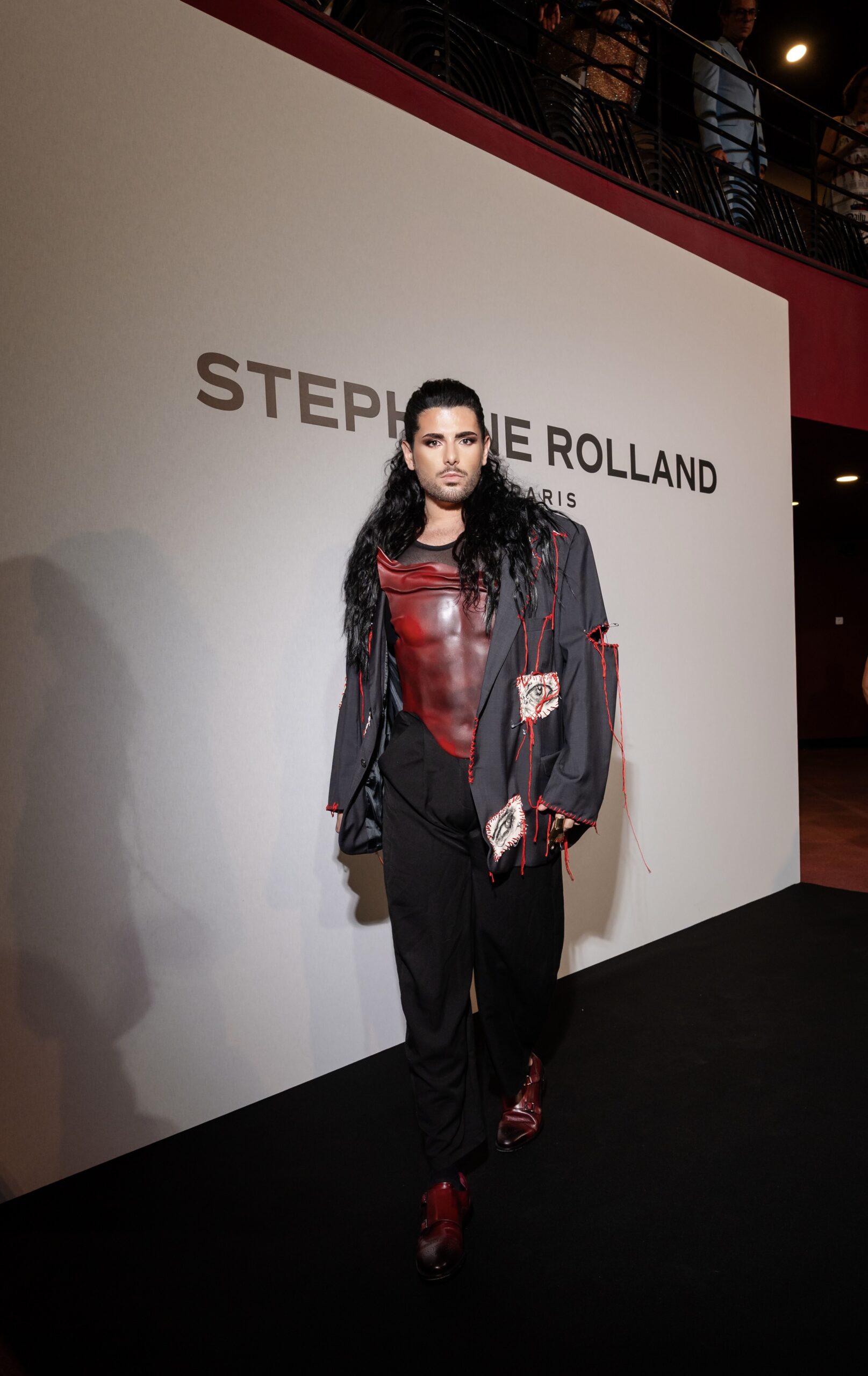
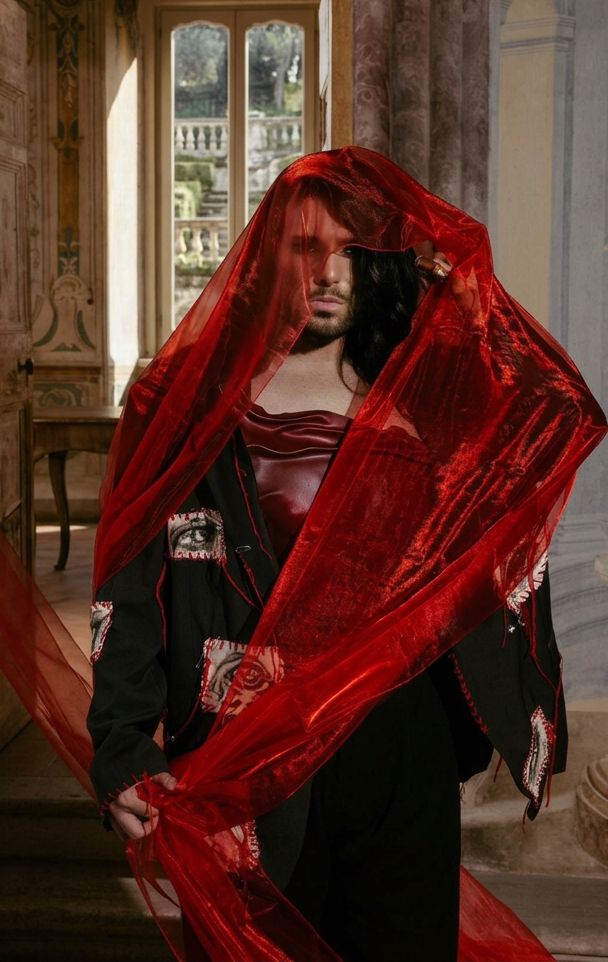
Alessio Filippelli at Stéphane Rolland’s Fashion Show | Wearing: Schiaparelli jewelry, Ingiliz shoes, Isabella Marinelli Art (custom corset), 22DES_IGNER (custom blazer) | Glam: @mlkup_ | Photographer: @joystrotz
Website: https://linktr.ee/alessiofilippelli
Instagram: @ale_ssiofilippelli
Credits:
Talent: Alessio Filippelli @ale_ssiofilippelli
Photography: Fay Valentine @timewallbyfay
Official Sponsor and Shoes supplier: Ingiliz @Ingiliz_Official | @remsiingilizov
Outfit: Sara Limone @22des_igner
Custom Made Corset: Isabella Marinelli @isabellamarinelliart
Custom Made Jewelry: Francesca Salvati @f.salvatigioielli
Make-up: Iram Rahman @iramrahman_
Hair: Alessio Cirillo @_alessiocirillo
Extra On-Set Model: Robert Romeo @roberto._romeo
Ingiliz Coordinator: Ivel Grigorova @iveljan
By Catherine Mills