


Glass Skin for Oily and Acne-Prone Skin
Why hydration—not harsh stripping—may be the key to achieving a balanced glow
Image courtesy of Birgith Roosipuu / Unsplash
The “glass skin” phenomenon has dominated beauty conversations for years, filling social media feeds with luminous complexions and seemingly poreless skin. For many people with oily or acne-prone skin, however, the trend can feel unrealistic — something reserved for naturally balanced skin types rather than those dealing with breakouts, excess oil, or sensitivity.
One of the most persistent misconceptions surrounding oily skin is the belief that moisture should be avoided altogether. In reality, excess oil production is often linked to dehydration and imbalance. Stripping the skin with harsh products may temporarily reduce shine, but it can also compromise the skin barrier, leading to increased irritation and further oil production. The goal is not to eliminate moisture, but to support hydration while maintaining balance.
Beyond “Slugging”
Within the skincare world, “slugging”—the practice of sealing the skin with a heavy occlusive such as petroleum jelly—has become widely associated with achieving a glossy, ultra-hydrated finish. While this technique can benefit dry or mature skin, it is not always compatible with acne-prone complexions. Heavy occlusives may trap excess oil and congestion, particularly for those already struggling with breakouts.
For oily skin types, achieving a reflective, healthy-looking complexion often depends less on layering heavy products and more on incorporating lightweight hydration and barrier-supporting ingredients. After testing different approaches, the following routine proved effective in creating luminosity without overwhelming the skin.
Step 1: SKIN1004’s Madagascar Centella Light Cleansing Oil
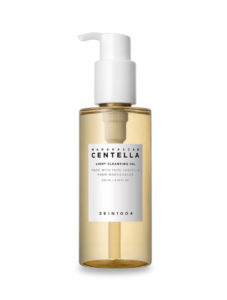
Image courtesy of SKIN1004
Healthy-looking skin begins with balanced cleansing. This lightweight oil cleanser helps dissolve excess sebum, sunscreen, and buildup without disrupting the skin barrier. Unlike harsher cleansers that can leave the skin tight or dehydrated, it maintains hydration while supporting a clearer complexion.
Step 2: Beauty of Joseon’s Glow Replenishing Rice Milk
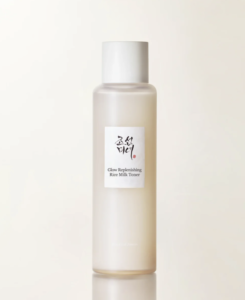
Image courtesy of Beauty Of Joseon
Rice-based skincare has long been valued for its soothing and brightening properties. This toner provides lightweight hydration while helping to balance oil production and prepare the skin for additional layers. The finish feels fresh rather than heavy, making it particularly suitable for combination and oily skin types.
Step 3: La Roche-Posay Cicaplast Gel B5
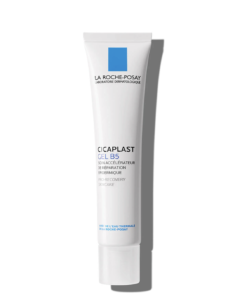
Image courtesy of La Roche-Posay
A lighter alternative to the well-known Cicaplast Balm, this gel-based formula delivers hydration and barrier support without the dense texture often associated with richer creams. Its lightweight consistency makes it especially suitable for skin prone to congestion or sensitivity.
Step 4: Bioré UV Aqua Rich Aqua Protect Lotion
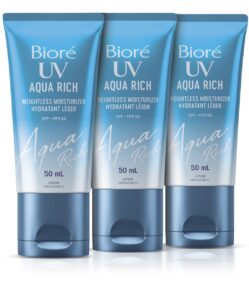
Image courtesy of Bioré
Sunscreen remains one of the most essential steps in any skincare routine. This formula provides broad-spectrum protection while maintaining a lightweight, hydrated finish. Beyond enhancing luminosity, daily SPF use plays a significant role in supporting long-term skin health and protecting the skin barrier.
Achieving glass skin is less about replicating an unrealistic standard and more about understanding what your skin actually needs. For oily and acne-prone skin, that often means prioritizing hydration, barrier support, and lightweight textures over aggressive stripping or excessively heavy products.
With the right balance, luminous skin becomes far more approachable—not as a flawless trend, but as a healthier and more sustainable approach to skincare.
By Bree Robinson